877-852-8463CareersLocationsPatient PortalRequest Appointment

Specialty Eye Institute

Premier providers of eye surgery and LASIK in Michigan and Northwest Ohio

  • About
    • Call Now
    • Testimonials
    • Join Our Team
    • News & Events
  • Eye Doctors
    • SEI Doctors
    • Affiliate Doctors Login
  • Services
    • Eye Exams
    • Cataract Eye Surgery
      • Laser Cataract Surgery
      • Cataract Surgery Lens Options
      • Cataract FAQ
    • LASIK Eye Surgery
      • Take Our LASIK Self-Test
      • LASIK Pricing
      • Affordable Options for LASIK
      • Financing
      • LASIK FAQs
    • EVO ICL Eye Surgery
    • Refractive Lens Exchange Surgery
    • Dry Eye Treatment
    • Retinal Detachment Treatments
    • Corneal Transplants
    • Blepharoplasty Treatments
  • Vision Conditions
    • Astigmatism
    • Diabetic Retinopathy
    • Diplopia
    • Glaucoma
    • Hyperopia
    • Keratoconus
    • Low Vision
    • Macular Degeneration
    • Macular Edema
    • Macular Holes
    • Myopia
    • Presbyopia
    • Vitreous Detachment
  • Resources
    • What to Expect at Your Eye Appointment
    • Patient Forms
    • Video Library
    • Financing
    • Retina Care
      • Eye Anatomy
      • Epiretinal Membrane (Macular Pucker) Treatment & Surgery
      • Free Printable Amsler Grid Test PDF
    • Travel Support
    • Newsletter Sign Up
    • No Surprises Act: Billing Disclosures
    • Notice of Availability
    • Notice of Nondiscrimination
  • Surgery Centers
    • Lansing
    • Jackson
  • Contact
    • Call Now
    • Schedule Appointment

6 Tips On How To Maintain Good Eyesight

Tips to maintain good eyesight

How To Maintain Good, Healthy Eyesight

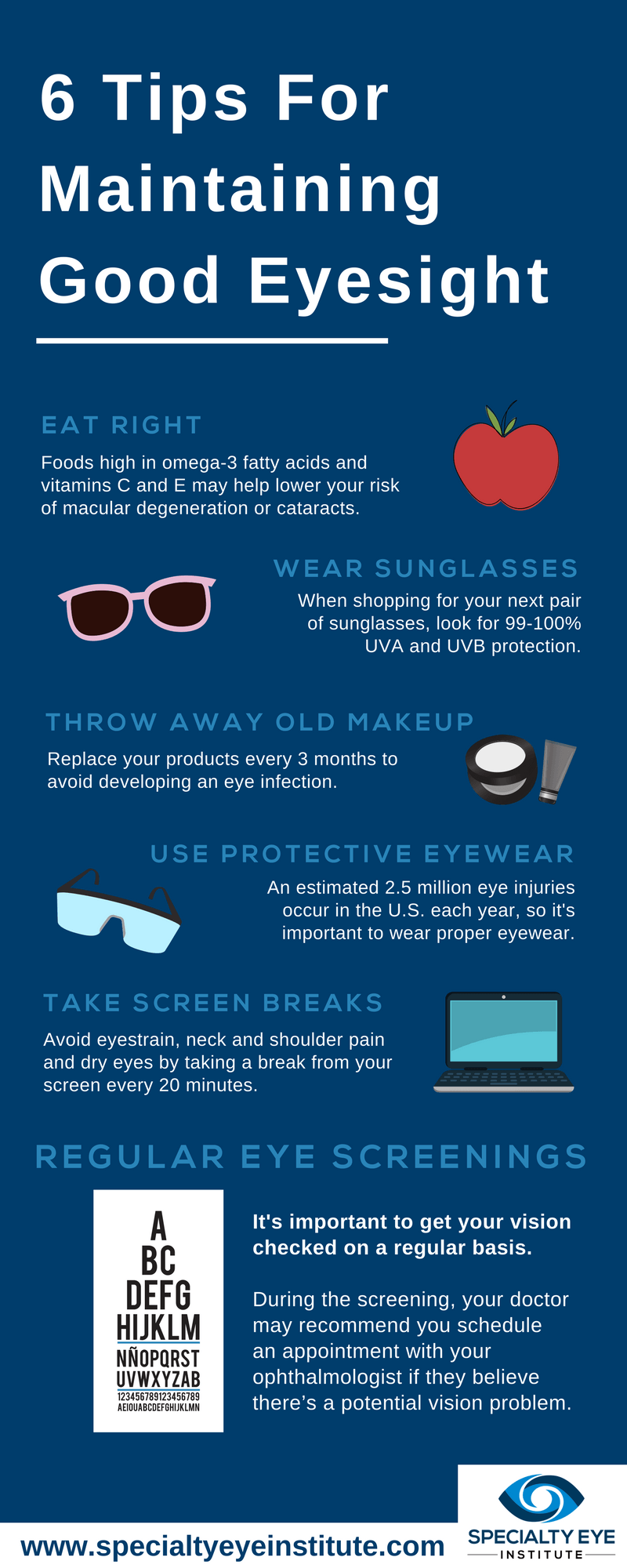
Maintaining healthy vision is more important than getting a regular vision screening. Your overall health can impact your eyesight. Here are 6 tips on how to maintain good eyesight:

1. Eat the Right Foods To Protect Your Eyesight

Fill your plate with foods high in omega-3 fatty acids and vitamins C and E. These nutrients may help lower your chance of developing macular degeneration or cataracts. If you are looking for ways to indirectly maintain your eyesight, eat a healthy portion of green veggies, salmon, eggs, and citrus fruits. A healthy diet also decreases your chance of diabetes, which is one of the leading causes of blindness.

2. Gear Up with Protective Eyewear

An estimated 2.5 million eye injuries occur in the U.S. each year, so it is very important to wear proper eyewear to protect yourself from eye injuries.

Whether you’re on the job, working on a home improvement project, or playing hockey with the neighborhood, always wear protective eyewear or safety glasses to avoid the risk of anything making contact with your eyes.
Sunglasses for Eyesight Health

3. Always Wear Your Sunglasses

Don’t just use the free pair of shades you picked up at a concert. The best way to keep your eyes healthy is to invest in a decent pair of sunglasses that will actually protect your eyes from the sun’s UV rays. Too much UV exposure increases your chances of cataracts.

When picking out your sunglasses, look for 99-100% UVA and UVB radiation protection. And remember to never look directly into the sun!

4. Throw Away Old Makeup

Getting rid of old makeup is essential for maintaining your eye health, as expired products can harbor bacteria that pose a risk to your eyes. Ensure to adhere to expiration dates on your makeup products and prioritize eye safety by refreshing your makeup collection regularly.

  • Did you know bacteria grow fast in liquid makeup?
  • Replace your products every 3 months to avoid developing an eye infection.
  • Never share cosmetics with others and avoid store samples.
  • Always clean your face before and after using makeup.

Need Help? Our Ophthalmologists Are Committed to Preserving and Improving Your Vision

5. Take Frequent Screen Breaks for Eyesight Health

When you stare at a computer, tablet, or phone screen too long, you may experience eyestrain, dry eyes, neck and shoulder pain, and headaches. To avoid these things you should:

  • Follow the 20-20-20 rule. Take a screen break every 20 minutes by looking 20 feet away for about 20 seconds.
  • Find a supportive chair and make sure your screen is at eye level
  • Keep your glasses/contacts prescription up to date and suitable for staring at screens
  • Remember to blink!

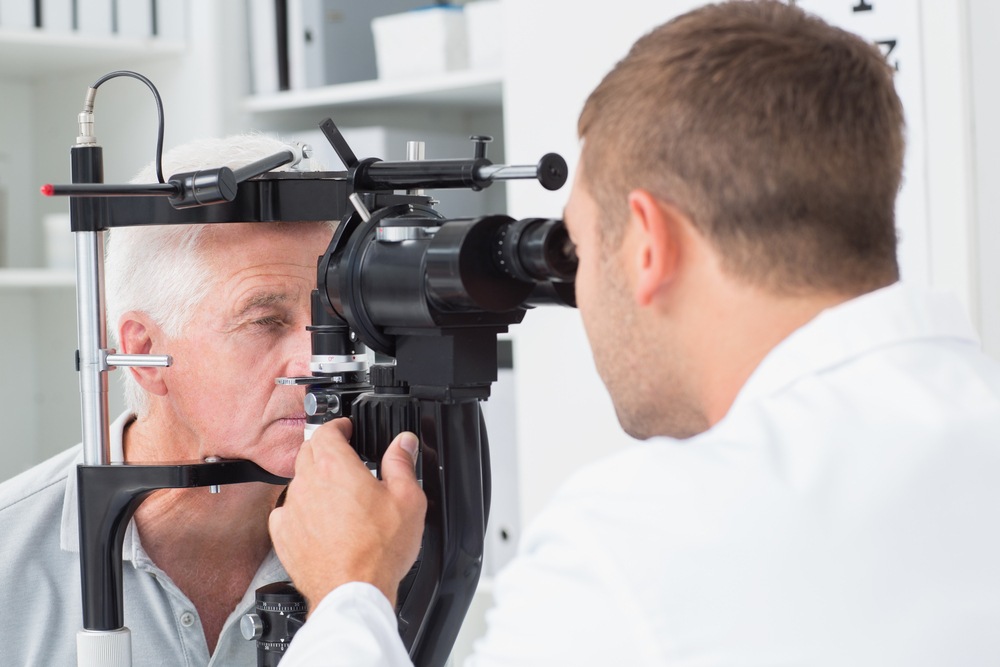
Doctor Eye Screening

6. Get Regular Eyesight Screenings

Everyone should be getting eye screenings on a regular basis. During the screening, your doctor may recommend you schedule an appointment with an ophthalmologist if they believe there is a potential vision or eye problem.

Here are some things you can expect during a comprehensive eye exam:

  • A review of your health and family history of eye diseases, like glaucoma or macular degeneration
  • Vision testing
  • A dilated eye exam to check the retina and optic nerve
  • A refraction test to determine the sharpness of your near and distant vision

Anyone with symptoms or a family history of eye disease, diabetes, or high blood pressure should schedule an appointment with our team of ophthalmologists to determine how frequently their eyes should be examined.

Need an eye screening? Schedule your appointment with Specialty Eye Institute!

6 Tips for How to Get Better Eyesight Infographic

September 29, 2021 Filed Under: Blog

5 Best Foods For Eye Health & Vision

Frittata - Foods for Eye Health

You know how important your vision is. Imagine navigating the world without it. Did you know that certain types of foods can improve your eye health?

These Vitamin-Rich Foods are Good for your Eye Health

You probably already know that carrots are good for your eyes, but have you ever thought about what’s in them? Things like vitamins C and E, zinc, lutein, zeaxanthin, and omega-3 acids all help your eyes stay healthy. They can help prevent cataracts and age-related macular degeneration (AMD).

But, where can you find them? Spinach and Kale also have antioxidants that protect your eyes from damage. Damage can come from sunlight, cigarette smoke, and even the air around you. They also have lutein and zeaxanthin.

Grapefruit, strawberries, and Brussels are full of vitamin C. Vitamin C is considered the king of antioxidants, so stock up on food that contains this as often as you can!

Seeds, nuts, and wheat germ have vitamins C and E. These foods work together to enhance your eye health and keep your tissues healthy. Turkey, oysters, crab, salmon, sardines, and herring contain zinc and lots of omega-3 fatty acids which may reduce the risk of dry eyes.

Pumpkin and sweet potatoes contain vitamin A, which can help with night vision.

The 5 Best Foods for Eye Health

Some of the previously mentioned food to support healthy vision isn’t the greatest to eat on their own. It would be better to incorporate the taste of them into some delicious meals.

We’ve put together some of our favorite recipes below – they all include foods and vitamins to improve your eye health.

Stuffed Mushrooms - Foods for Eye Health

1.  Cheese & Spinach Stuffed Portobello Mushrooms

This is a yummy way to create the taste of pizza, but it’s still a really healthy hors d'oeuvre, appetizer, or starter. This recipe works best with large Portobello caps. Though, if you find smaller ones, buy a couple of extra so you can spread the ingredients evenly.

You will need:

  • 4 large Portobello mushroom caps
  • ¼ of a teaspoon of salt
  • ¼ of a teaspoon of freshly ground pepper
  • 1 cup of part-skim ricotta cheese
  • 1 cup of finely chopped fresh spinach
  • ½ a cup of finely shredded Parmesan cheese
  • 2 tablespoons finely chopped Kalamata olives
  • ½ a teaspoon of Italian seasoning
  • ¾ a cup of prepared marina sauce.

It will take around 40 minutes from start to finish. Check out the full recipe.

Tips & Insights: Advantages of Using PanOptix Lenses (IOLs)

Salmon Cakes - Foods for Eye Health

2. Easy Salmon Cakes

If you're looking for delicious foods that can help improve your eye health, salmon cakes are packed with omega-3s. It will work for both fresh and canned salmon.

You will need:

  • 3 teaspoons of extra virgin olive oil
  • 1 small onion, finely chopped
  • 2 tablespoons chopped fresh parsley
  • 15 ounces of canned salmon, or 1 ½ cups of cooked salmon
  • 1 large egg, lightly beaten
  • 1 ½ teaspoons of Dijon mustard
  • 1 ¾ cups of fresh whole wheat breadcrumbs
  • ½ teaspoon freshly ground pepper
  • Creamy dill sauce
  • 1 lemon cut into wedges.

It should take around 45 minutes in total to make. Here is the full recipe.

Foods for Eye Health

3. Strawberry Blueberry Compote in Red Wine Syrup

This is a fun combination of flavorful fruits and food that's good for your eyes and health. It should only take around half an hour to make. This is a great recipe for a party, as it serves 8.

You will need:

  • 1 cup of dry red wine
  • ¼ cup of sugar
  • ½ teaspoon of whole black peppercorns
  • 2 (2 ½ inch) orange rind strips
  • 1 cinnamon stick
  • 1 bay leaf
  • 4 cups sliced strawberries
  • 1 cup of blueberries

Need Help? Our Team Of Ophthalmologists offers Visian ICL Surgery & Other Types of Eye Care Solutions

Roasted Almonds

4. Rosemary Roasted Almonds

Rosemary roasted almonds are an easy snack that can help maintain your eye health and satisfy your cravings. There’s nothing worse than being hungry in the middle of the day. Spending 20 minutes or less each day to make delicious food such as rosemary roasted almonds is an easy way to preserve the health of your vision.

You will need:

  • 1 tablespoon finely chopped fresh rosemary
  • 1 tablespoon of extra virgin olive oil
  • 1 teaspoon of Chile powder
  • 3.4 teaspoons of kosher salt
  • Dash of ground red pepper
  • 1 bag of whole almonds

Frittata

5. Green Eggs and Ham Frittata

Who doesn’t love some classic green eggs and ham? If you are searching for food that is good for your eyes, this meal features leeks, dills, spinach, and Havarti cheese. It will take around an hour to make and bake.

You will need:

  • 8 large eggs
  • 1 ½ teaspoons of dried dill
  • ¼ teaspoon of salt
  • ¼ teaspoon of freshly ground pepper
  • 2 tablespoons of extra virgin olive oil
  • 2 leeks, white and light green parts only, diced
  • 1 5-ounce bag of baby spinach, chopped
  • ½ cup of diced ham
  • ½ cup of shredded Havarti or muenster cheese.

Food that’s good for your eyes doesn’t have to taste bad. You can easily find food that’s good for your vision and good to eat. These meals are both literally and figuratively a feast for your eyes. If you need help preserving or improving your vision, give our team of ophthalmologists a call by phone at (877) 852-8463. Our team offers innovative eye care solutions such as cataract eye surgery, blepharoplasty treatments, LASIK surgery, and refractive lens exchange eye care options. Our team of ophthalmologists in Battle Creek, MI, and other areas are committed to helping you enhance your sight and health.

Tips & Insights: Anatomy of Your Eyes: 9 Main Components

August 19, 2021 Filed Under: Blog

Supplements & Vitamins for Macular Degeneration

Woman struggling to see and needs vitamins for macular degeneration.

Our eyesight is a precious function that many of us take for granted. While sitting in the doctor’s office may not be something you enjoy doing, a yearly visit with your ophthalmologist is a great way to protect your vision from degenerative eye disease. Supplements and vitamins are used for slowing or stopping the progression of macular degeneration in older adults. Macular degeneration is the most common eye disease. If you are 55 years or older, your ophthalmologist should examine your eyes every year as early diagnosis is the key to a successful treatment plan.

What Causes Macular Degeneration?

There are many risk factors for macular degeneration such as heredity and age, smoking, high blood pressure, and vitamin-deficient diets.

The two types of macular degeneration are wet and dry. Both will lead to loss of vision if they are not diagnosed and treated aggressively. For more information on risk levels and the types of macular degeneration, contact your ophthalmologist.

If you have been diagnosed with macular degeneration, you are not alone. While macular degeneration is a leading cause of blindness, it is also treatable. Depending on your level of degeneration and your adherence to a treatment plan, you can slow the development of macular degeneration for many years.

Supplements for Macular Degeneration

There are many treatments available for macular degeneration patients, and your specific treatment options will depend on the type, stage, and personal medical history.

Remember, your ophthalmologist is a trained professional, so regardless of the treatment recommended, following it closely is imperative to maintaining your vision. The first step to stopping or slowing the spread of macular degeneration is adjusting your diet to include supplements to improve your health. Here is a list of the most common changes for your diet:

1. Zinc and Antioxidants

After years of research, studies have shown that taking supplements with high levels of zinc and antioxidants may help slow the progression of macular degeneration. Your ophthalmologist will recommend the right type and dosage of these supplements. If you are at risk of developing macular degeneration or are concerned about this condition, ensure your daily multivitamin contains these vital nutrients.

Tips & Insights: Should I Get Cataract Surgery? Benefits & Suggestions

Vitamins for macular degeneration

2. Other Vitamins and Minerals

In addition to zinc and antioxidants, the American Academy of Ophthalmology recommends a daily supplement with high doses of vitamins C and E, copper, and zeaxanthin. This regimen is based on recent findings that suggest these supplements may stop or slow the progression of intermediate dry macular degeneration from advancing to wet macular degeneration, the stage when loss of vision occurs.

3. Eye-Healthy Foods

While supplements are the most common treatment for macular degeneration, remember that simply taking a daily vitamin will not prevent or slow the progression of this destructive disease.

Ophthalmologists also recommend, in addition to daily supplements, eating a diet rich in nutrients that promote healthy eye function and slow the advancement of macular degeneration. When choosing fruits and vegetables, choose colorful vegetables, particularly dark leafy greens like spinach and kale.

Patient getting eye exam and learning which supplements for macular degeneration he would benefit from.

Preventing Macular Degeneration

Your best defense against developing a degenerative eye disease is to practice preventative measures, so macular degeneration will not be a threat to your eyesight. Regular eye exams and tools like the Amsler Grid test can help detect any changes in the retina and macula. Our staff of ophthalmologists provides dependable eye care solutions such as macular degeneration treatments, cataract surgery, dry eye treatments, LASIK eye surgery, and presbyopia treatments. Yearly examinations with our team of ophthalmologists will verify that your eyes are healthy. If they're not, yearly exams allow for early detection of eye degeneration.

We'll help you to utilize the many treatments, supplements, and vitamins for macular degeneration if this condition affects you. Our team of ophthalmologists offers eye treatment options in areas of Michigan and Ohio such as Ann Arbor, Kalamazoo, Bryan, and Toledo. Schedule an appointment online or call us at (877) 852-8463.

May 27, 2021 Filed Under: Blog Tagged With: eye health, macular degeneration, supplements

Age-Related Macular Degeneration: Wet vs Dry Macular Degeneration

Don’t be intimidated by its big name. Macular degeneration is the term for a manageable eye condition that impairs our vision as we age. Whether you’re one of the millions who have been diagnosed with macular degeneration or you’re here to improve your eye health, you may have heard people refer to two types — “wet” and “dry” macular degeneration. So, what’s the difference between the two?

The purpose of this guide is to answer that question, and it starts with a general understanding of macular degeneration.

Senior shows symptoms of having Age-related macular degeneration

Table of Contents

  • What is Macular Degeneration?
  • What is Dry Macular Degeneration?
  • What is Wet Macular Degeneration?
  • Symptoms of Macular Degeneration?
  • Treatments for Macular Degeneration
  • FAQs: Wet AMD vs Dry AMD
      • Which form of macular degeneration is more severe?
      • What are the chances of dry AMD progressing to wet AMD?
      • Can macular degeneration be prevented?
      • How often should I get my eyes checked if I have AMD?
      • Can I continue driving with macular degeneration?

What is Macular Degeneration?

Age-related macular degeneration, or AMD, represents the primary cause of vision loss among adults over 60. It affects the macula, a crucial part of the retina responsible for central vision processes such as facial recognition, reading, and driving.

This condition develops when the macula begins to deteriorate over time, causing central vision loss while leaving peripheral vision intact. While AMD typically doesn't cause complete blindness, it can significantly impact a person's quality of life by making everyday activities more challenging as the condition progresses.

What is Dry Macular Degeneration?

Dry macular degeneration accounts for 85-90% of all AMD cases and is characterized by the gradual deterioration of the macula and the accumulation of drusen, small deposits of cellular debris in the retina.

While this form typically progresses at a slower rate than wet AMD, it can still lead to significant central vision impairment if left unmonitored. And because dry AMD can sometimes develop into the more serious wet form, regular eye examinations are essential for tracking its progression.

What is Wet Macular Degeneration?

Wet macular degeneration, though less common than dry macular degeneration, represents the more severe form of AMD and requires immediate medical attention. The hallmark of this condition is the abnormal growth of blood vessels beneath the retina, which can leak blood and fluid, causing rapid and severe damage to central vision.

Since there is no treatment for wet macular degeneration, early detection is crucial to managing its symptoms. During this stage, patients may notice straight lines appearing wavy or distorted. These changes should prompt an immediate consultation with your eye care specialist.

Symptoms of Macular Degeneration?

Those over 60 should be aware of the potential wet and dry macular degeneration symptoms, particularly in their early stages, as timely detection is crucial for managing AMD.

  • Early and Intermediate Stages
    • Minimal to no noticeable symptoms initially
    • Mild blurriness in central vision
    • Difficulty adapting to low-light conditions
    • Dulled intensity of colors
    • Need for brighter light when reading or doing detailed work
  • Advanced Stages (Wet or Dry)
    • Straight lines appearing wavy or bent
    • Dark or blurry spots in the center of vision
    • Progressive growth of blind spots in central vision
    • Difficulty recognizing faces
    • Problems with reading, driving, or performing detailed tasks

Treatments for Macular Degeneration

Managing AMD requires a personalized approach based on the type and stage of the condition. While limited, here are the current treatment options available:

  • Dry Macular Degeneration Treatment
    • Regular monitoring through comprehensive eye exams.
    • Lifestyle modifications, including exercising regularly and quitting smoking.
    • Nutritional support through eye-healthy foods (fish, leafy greens, yellow fruits).
    • AREDS2 vitamin and mineral supplements for intermediate stages.
    • Advanced cases may be prescribed one of two new FDA-approved injectable medications, including pegcetacoplan or avacincaptad pegol.
  • Wet Macular Degeneration Treatment
    • Anti-vascular endothelial growth factor (VEGF) injections have shown vision stabilization in 90% of patients and vision improvement in 33%.
    • Laser photocoagulation surgery to seal leaking blood vessels.
    • A combination of photodynamic therapy, laser treatment, and anti-VEGF injections has proven successful in select cases.

FAQs: Wet AMD vs Dry AMD

Which form of macular degeneration is more severe?

While both types can impact vision, wet macular degeneration is generally considered more serious as it can cause rapid vision loss due to leaking blood vessels. Even though dry macular degeneration progresses more slowly, it should still be monitored carefully since it can develop into the wet form.

What are the chances of dry AMD progressing to wet AMD?

Approximately 10% of patients with dry macular degeneration will develop the wet form. Regular monitoring by your eye care specialist is crucial for early detection of any changes, as prompt treatment of wet AMD can help preserve vision.

Can macular degeneration be prevented?

While there's no guaranteed way to prevent AMD, several lifestyle choices can reduce your risk:

  • Schedule regular comprehensive eye exams
  • Maintain a healthy diet rich in leafy greens and fish
  • Exercise regularly
  • Avoid smoking or quit if you currently smoke
  • Protect your eyes from UV exposure
  • Consider vitamin supplements if recommended by your doctor

How often should I get my eyes checked if I have AMD?

The frequency of eye exams depends on your AMD type and stage. Generally, those with early AMD should have comprehensive exams at least annually, while those with more advanced stages may need frequent monitoring. Your eye care specialist will recommend an appropriate schedule.

Can I continue driving with macular degeneration?

Early-stage AMD permits continued driving, especially during daylight hours. However, as the condition progresses, you should discuss driving safety with your eye care provider, as they can best assess your visual capabilities and make appropriate recommendations.

December 30, 2024 Filed Under: Blog

When Should You Have Cataract Surgery? Signs, Symptoms & Causes

Cataracts in Eye

How Do You Know If You Need Cataract Surgery?

At the beginning of cataract formation, it may be easy to improve your vision through glasses, magnification, bifocals, visual aids, and appropriate lighting. When the cataract progresses to the point that it impairs vision and the way of life, it may be the right time to have cataract surgery. 

Aging is considered the primary factor of poor vision, but getting cataract surgery is painless and simple enough to get your clear vision back. According to PBA, visiting a certified ophthalmologist to perform cataract surgery is an excellent way to get your vision back, and it is the most successful surgery performed in the US, with more than three million Americans undergoing the surgery every year.

What are Cataracts?

A cataract is identified with the clouding of the natural lens in an eye. People who are over 40 are the most affected by cataracts when it comes to vision impairment. In addition, cataracts are the world’s primary cause of blindness.

To understand the seriousness of the widespread effect of cataracts, Prevent Blindness America (PBA) stated that cataracts are more common in comparison to the combined cases of diabetic retinopathy, macular degeneration, and glaucoma. Cataracts now affect approximately more than 22 million Americans over the age of 46, and PBA states that the figure will rise to 30 million by 2020.

one symptom of cataracts is struggling to see

What Are The Signs You Need Cataract Surgery? 

Cataract symptoms often include blurry vision, similar to looking through cloudy glass. You may also become more sensitive to light. Driving at night may become a challenge because the headlights from oncoming cars may cause more glare than they used to. If you are struggling to see the contrast between different colors or the colors you observe appear less vibrant, this is a sign it's time to talk with a certified ophthalmologist about the advantages of having cataract surgery.

Tips & Insights: What Are The Signs of Macular Degeneration?

What Causes Cataracts?

The eye’s lens functions like the lens of a camera, it is used to focus light on the retina, and it adjusts the focus of the eye for you to see things clearly for both close or distant objects. The main components of the lens are protein and water.

The protein is organized in a way to keeps the lens clear for the light to easily pass through. Over time, the protein may build up and form a small cloudy part of the lens. The cloud may become larger over time forming a cataract, which will make it harder for you to see.

The reason why the lens changes as we age is unknown to us, but doctors have identified factors that cause a cataract; they include:

  • Diabetes
  • Hypertension
  • Obesity
  • UV radiation
  • Smoking
  • High Myopia
  • Previous inflammation or eye surgery
  • Hormone replacement therapy
  • Use of corticosteroid medications
  • Statin medicines
  • High intake of alcohol

One of the known theories about the formation of cataracts is the oxidative changes in the lens. Nutrition studies support this theory because vegetables and fruits that have antioxidants can help prevent the cause of distinct types of cataracts.

Ophthalmologist

What Happens During Cataract Surgery?

When you talk with an ophthalmologist about having cataract surgery, you will become familiar with the process of removing the clouded lens in your eye with a clear intraocular lens (IOL). Intraocular lenses are plastic in nature.

Recent developments in IOLs allow patients to have lens options based on their lifestyle. There are 4 main types of IOLs:

  • Monofocal lens – These lenses can provide clear distance vision for patients without astigmatism.
  • Multifocal lens – These lenses can provide a range of vision from near to intermediate to distance.
  • Astigmatism Correcting (Toric) lens – correct higher levels of astigmatism and provide clear distance vision. You will still need glasses for near and intermediate vision.
  • Depth-of-focus lens – This lens provides a continuous range of vision at all distances to fit your active lifestyle.

Men should also be careful to know that some prostate drugs can cause IFIS (Intraoperative Floppy Iris Syndrome) when cataract removal is being performed.

If there is a cataract in each of your eyes, typically cataract surgery is performed on your non-dominant eye first followed by your dominant eye 1-2 weeks later. The time between the two cataract surgeries is in case infection or complications occur.

To prevent yourself from having cataract surgery, use antioxidant vitamins like omega-3 fatty acids and vitamin C, and also wear sunglasses to block UV rays when you are enjoying the sun. If you are struggling to read or drive at night, this is a sign of vision issues that need to be diagnosed by a certified ophthalmologist or optometrist. Our staff of ophthalmologists offers innovative eye care solutions such as LASIK eye surgery, blepharoplasty surgery, glaucoma treatments, corneal transplants, and keratoconus options. Give our team of ophthalmologists a call by phone at (877) 852-8463 to discuss eye care treatments.

Schedule your cataract screening today!

Schedule My Screening

May 19, 2021 Filed Under: Blog, Cataracts

  • «
  • 1
  • …
  • 5
  • 6
  • 7
  • 8
  • 9
  • …
  • 21
  • »
  • Eye Doctors
  • Specialty Eye Institute Locations
  • Careers
  • News & Events
  • Schedule Appointment
  • Patient Resources
  • Contact Us

For Patients

  • Schedule Appointment
  • Patient Resources
  • Patient Forms
  • Billing and Insurance Information
  • Financing
  • ACA Non-Discrimination Notice
  • Legal Resources

For Doctors

  • Continuing Education Events
  • Grand Rounds
  • Referring a Patient
  • Clinical Forms

Make an Appointment

  • MM slash DD slash YYYY

Schedule Your Free Consultation Today

Schedule your LASIK Consultation
reCAPTCHA is required.

By submitting this form, you accept the Mollom privacy policy.


To find an optometrist near you, type your city and state or zip code.

FOR PATIENTS

  • Affiliate Doctors Home Page
  • Announcements
  • Order Supplies
  • Clinical Forms
  • Continuing Education Events
  • Grand Rounds
  • Logout

FOR DOCTORS

  • Affiliate Doctors Home Page
  • Announcements
  • Order Supplies
  • Clinical Forms
  • Continuing Education Events
  • Grand Rounds
  • Logout

CONTACT US

Phone Icon to Call Specialty Eye Institute of Michigan and Ohio 877-852-8463

SOCIAL MEDIA

SIGN UP NEWSLETTER

We Are a Proud Partner Of

  • Home
  • About Us
  • Patient Resources
  • News
  • Locations
  • Careers
  • Privacy Policy
Specialty Eye Institute © 2026
Digital Marketing by Youtech. 8778528463

Copyright © 2026 · specialtyeyeinstitute on Genesis Framework · WordPress · Log in

Pencil Icon - Cataract Information CATARACT
SELF-TEST
Pencil Icon - Lasik Self-Test LASIK
SELF-TEST
Pencil Icon - Schedule Appointment at SEI SCHEDULE
APPOINTMENT
877-852-8463Newsletter Sign UpLocationsPatient PortalSchedule Appointment
  • About
    • Call Now
    • Testimonials
    • Join Our Team
    • News & Events
    • Back
  • Eye Doctors
    • SEI Doctors
    • Affiliate Doctors Login
    • Back
  • Services
    • Eye Exams
    • Cataract Eye Surgery
      • Laser Cataract Surgery
      • Cataract Surgery Lens Options
      • Cataract FAQ
      • Back
    • LASIK Eye Surgery
      • Take Our LASIK Self-Test
      • LASIK Pricing
      • Affordable Options for LASIK
      • Financing
      • LASIK FAQs
      • Back
    • EVO ICL Eye Surgery
    • Refractive Lens Exchange Surgery
    • Dry Eye Treatment
    • Retinal Detachment Treatments
    • Corneal Transplants
    • Blepharoplasty Treatments
    • Back
  • Vision Conditions
    • Astigmatism
    • Diabetic Retinopathy
    • Diplopia
    • Glaucoma
    • Hyperopia
    • Keratoconus
    • Low Vision
    • Macular Degeneration
    • Macular Edema
    • Macular Holes
    • Myopia
    • Presbyopia
    • Vitreous Detachment
    • Back
  • Resources
    • What to Expect at Your Eye Appointment
    • Patient Forms
    • Video Library
    • Financing
    • Retina Care
      • Eye Anatomy
      • Epiretinal Membrane (Macular Pucker) Treatment & Surgery
      • Free Printable Amsler Grid Test PDF
      • Back
    • Travel Support
    • Newsletter Sign Up
    • No Surprises Act: Billing Disclosures
    • Notice of Availability
    • Notice of Nondiscrimination
    • Back
  • Surgery Centers
    • Lansing
    • Jackson
    • Back
  • Contact
    • Call Now
    • Schedule Appointment
    • Back