877-852-8463CareersLocationsPatient PortalRequest Appointment

Specialty Eye Institute

Premier providers of eye surgery and LASIK in Michigan and Northwest Ohio

  • About
    • Call Now
    • Testimonials
    • Join Our Team
    • News & Events
  • Eye Doctors
    • SEI Doctors
    • Affiliate Doctors Login
  • Services
    • Eye Exams
    • Cataract Eye Surgery
      • Laser Cataract Surgery
      • Cataract Surgery Lens Options
      • Cataract FAQ
    • LASIK Eye Surgery
      • Take Our LASIK Self-Test
      • LASIK Pricing
      • Affordable Options for LASIK
      • Financing
      • LASIK FAQs
    • EVO ICL Eye Surgery
    • Refractive Lens Exchange Surgery
    • Dry Eye Treatment
    • Retinal Detachment Treatments
    • Corneal Transplants
    • Blepharoplasty Treatments
  • Vision Conditions
    • Astigmatism
    • Diabetic Retinopathy
    • Diplopia
    • Glaucoma
    • Hyperopia
    • Keratoconus
    • Low Vision
    • Macular Degeneration
    • Macular Edema
    • Macular Holes
    • Myopia
    • Presbyopia
    • Vitreous Detachment
  • Resources
    • What to Expect at Your Eye Appointment
    • Patient Forms
    • Video Library
    • Financing
    • Retina Care
      • Eye Anatomy
      • Epiretinal Membrane (Macular Pucker) Treatment & Surgery
      • Free Printable Amsler Grid Test PDF
    • Travel Support
    • Newsletter Sign Up
    • No Surprises Act: Billing Disclosures
    • Notice of Availability
    • Notice of Nondiscrimination
  • Surgery Centers
    • Lansing
    • Jackson
  • Contact
    • Call Now
    • Schedule Appointment

Dry Vs Wet Macular Degeneration: Risk Factors & Treatments

Ophthalmologist talking about Wet vs Dry Macular Degeneration

The leading cause of vision loss among Americans 60 years of age and older is macular degeneration. It affects 11 million people in the United States, and that number is expected to double by 2050. The disease affects the small central portion of your retina, known as the macula. This portion of your eye is responsible for our sharp, central vision. It helps us read, recognize faces, drive, and more. In macular degeneration, this spot deteriorates and leads to irreversible destruction that could dramatically change your life as you age. There are two kinds of macular degeneration, wet and dry. To help you, we've outlined the differences of dry vs wet macular degeneration.

Two Forms of Macular Degeneration: Dry vs Wet

Dr. Carmelina Gordon, of Specialty Eye Institute, says the dry form of macular degeneration is the more stable form of the disease while the wet form is the more aggressive one. There is a 10% chance of converting to the wet form from the dry stage. If you are comparing the differences between dry vs wet macular degeneration, ninety percent of legal blindness from macular degeneration is due to the wet form. The dry form is characterized by the presence of yellow deposits in the macula, while the wet form is characterized by leaking abnormal blood vessels growing underneath the macula.

Risks for Dry vs Wet Macular Degeneration

While age and family history are the most prominent factors, there are other factors that make you more susceptible to macular degeneration. They include:

  • Smoking doubles the risk of developing the disease
  • Diets that lack vegetables & fruits
  • Women are more likely to develop the disease
  • Macular degeneration is more common among whites
  • High blood pressure & cholesterol

Doctor

Are There Early Stage Symptoms of Macular Eye Degeneration?

The early stages of wet and dry macular degeneration can be bereft of symptoms. Hence, a complete exam including a yearly dilated eye exam is recommended for people above 50 years of age. Diagnostic tools such as an Amsler Grid test can also help detect changes in the retina.

Treating Macular Degeneration

Once diagnosed, Dr. Gordon says there are various treatment options. Vitamins containing a high dose of antioxidants and zinc are recommended for intermediate-stage dry AMD. Your eye care professional will determine whether your macular degeneration is in the intermediate stage, and will make the recommendation to use these vitamins. The wet form of macular degeneration is treated using intravitreal injections of anti-VEGF drugs that are given every 4-8 weeks for an average of 2 years or more. These anti-VEGF meds include an off-label drug called Avastin, and 2 FDA-approved drugs namely, Lucentis and Eylea. Numerous research studies are underway for new drugs to treat macular degeneration. “We are constantly looking for more efficacious and permanent treatment regimens,” states Dr. Gordon, who oversees and directs the macular degeneration studies at Specialty Eye Institute.

While rarely resulting in total blindness, the potentially significant visual disability caused by macular degeneration can be life-altering. Its negative effect on our central vision (crucial for everyday activities), further showcases the importance of regular exams especially as we age. Our team of ophthalmologists offers innovative macular degeneration treatments to help preserve or improve your vision. In addition, our staff of doctors provides other types of eye care solutions such as cataract eye surgery, refractive lens exchange treatments, and LASIK surgery. Give our team of ophthalmologists and optometrists a call by phone at (877) 852-8463 to book an appointment. Our doctors may perform a variety of tests to diagnose dry and wet macular degeneration.

Tips & Insights: What Are the Advantages Of Receiving ICL Eye Surgery?

October 13, 2021 Filed Under: Blog

Eye Protection From the Sun: UV Protection Tips

Sun Damage to Eyes: UV Protection

Most people are aware of how the sun can affect and damage their skin. Likewise, the majority of outdoor enthusiasts are well-versed in effective ways to protect their skin from the sun. However, many summer revelers are less aware of (or have a tendency to overlook) the damage the sun can cause to their eyes. Although maybe not as apparent as a blaring sunburn after a long day of summer fun, UV eye damage is just as dangerous.

Protecting Your Eyes from Sun Damage

Use this UV protection guide to learn the potential risks of sun exposure and learn how to effectively protect your eyes from the most damaging UV rays.

Types of UV Damage

There are two basic types of rays from which you need protection: UVA and UVB. UVA rays are the deeper penetrating of the two and are much more prevalent. These rays impact your central vision and can damage the macula, which is a part of your retina in the back of your eye. UVB rays are most known for their role in causing sunburns and skin reddening, but they can also have an effect on your eyes. It is important to protect your eyes from UVB rays to prevent damage to your cornea. In addition, UVB rays have been shown to cause even more damage to vision than UVA rays.

Depending on the frequency and intensity of your exposure to damaging radiation as well as the methods you utilize to protect your eyes, exposure may lead to a number of eye concerns, including:

  • Macular degeneration
  • Cataracts
  • Pterygium
  • Cancer of the eyelids
  • Corneal sunburn

As eyesight is likely one of your most relied-upon senses, it is crucial that you learn proper summer eye care and protect your eyes any time you are in the sun.

Tips & Insights: The Advantages of Receiving Cataract Surgery & Treatments

Summer Sun Protection Tips

Most eye care is generally straightforward; however, protecting your eyes involves more than just throwing on your favorite pair of shades. Effective summer sun protection takes intentionality and knowing what to look for to really protect your eyes. Use these sun protection tips recommended by your eye doctor to avoid preventable sun damage to your eyes.

Choose Your Sunglasses Carefully

While classy summer shades are a favored accessory for many, don’t just go for style when investing in sunglasses. Rather, look for a pair that is labeled with “100 percent UV protection” or “UV400” to make sure you are getting the right type of protection. Likewise, opt for a larger style with a bit of wrap-around to avoid rays penetrating your eyes from the side. If you need help protecting your eyes from the sun, ask your eye doctor for recommendations or have them take a look at your shades.

Wear a Hat in Addition to Sunglasses

In addition to sunglasses with the right UV protection, wear a wide-brimmed hat that will further protect the eyes. A hat will block roughly half of the UV rays to which you are exposed. This protection also gives you a better defense against rays that may penetrate above or around your sunglasses. Look for a hat with an effective UV rating to get the most protection.

Avoid Peak Hours

While most people love to soak up the sun’s rays mid-day, this time of day is also when the sun can be the most damaging. If at all possible, avoid sun exposure between 10 AM and 4 PM to protect your eyes from the most aggressive UV rays. In the event that you must be out during the middle of the day, though, always wear protective gear, including sunscreen, and seek shade whenever possible.

Tips & Insights: View Our LASIK Eye Surgery & Treatment Options

SunNever Gaze Directly at the Sun

Even with protective eyewear, looking at the sun directly can cause significant damage to your eyesight. The most common type of damage caused by direct sun contact is retinopathy, a form of retina damage caused by solar radiation. The easiest way to protect your eyes is to avoid gazing directly at the sun during the day, including during an eclipse.

Avoid Exposure Even When It’s Cloudy

Many people are fooled by cloudy days. Thinking that the clouds provide protection from the sun’s rays is an easy way to damage your eyes without even realizing it. Don’t be fooled. Practice safe eye care and wear protective sunglasses and a hat even when it is cloudy out.

Your best defense against the sun is knowing the damaging effects of the sun’s rays and wearing the right kind of protection. Use these sun protection tips to maintain your eyesight and avoid as much preventable damage as you can.


eye protection

April 13, 2021 Filed Under: Blog

What Is Considered Legally Blind?

What is Legally Blind? Visually impaired man In wireless earphones holding walking stick

You may have heard the term “legal blindness” and wondered what it really means to be legally blind. We’re here to help you understand this complex—and often misunderstood—term so you know what warning signs to be aware of in your own life.

Keep reading to learn about the technical definition of legal blindness along with its common causes, treatments, and prevention tips.

The Definition of Legal Blindness

Normal or “perfect” vision is 20/20 central visual acuity. Someone is legally blind if they:

  • Have 20/200 central visual acuity or worse in their better-seeing eye with the help of prescription glasses or contacts
  • Have a visual field of 20 degrees or less

If a person with 20/20 vision can see an object that’s 200 feet away from them, someone with 20/200 vision would only be able to see the same object from 20 feet away. If a person can see clearly while wearing prescription glasses or contacts, they’re not considered to be legally blind.

It’s important to note that there are different levels of blindness. For example, legal blindness doesn’t necessarily equate to total blindness, which is characterized by a complete lack of light and form perception. However, some people who are legally blind are also totally blind.

The vast majority of people who are legally blind do not fall within the threshold of total blindness.

The U.S. government uses this definition of legal blindness to determine eligibility for things like federal disability benefits, driving privileges, rehabilitative care, school and workplace accommodations, low vision devices, and tax exemption programs. Doctors use this definition to determine candidacy for various vision treatments, like medication and surgery.

3 Tests That Are Used to Diagnose Legal Blindness

Optometrists and ophthalmologists use these three methods to test for legal blindness in patients.

Snellen Eye Chart

Even if you’ve never been to the eye doctor, you could probably recognize a Snellen eye chart. It features a series of black capital letters that decrease in size as you move down the chart. As a result, the letters at the bottom are the most difficult to read. Someone who is legally blind can only read the top letter on the chart.

Your doctor will have you cover one eye at a time and read the lowest row of letters so that you can measure your visual acuity in each eye. This test helps your doctor determine if you need prescription glasses or contacts or if you need a new prescription for the glasses or contacts you already wear.

Confrontational Visual Field Test

A confrontational visual field test is another way that eye doctors measure visual acuity. As the doctor sits in front of you, he or she will hold up a series of fingers in various positions to test all four quadrants in your visual field—particularly your peripheral vision. You will cover one eye at a time and recite the number of fingers you see. If you struggle to detect the number of fingers being shown, you may be legally blind.

Comprehensive Eye Exams

A comprehensive eye exam uses a series of tests to measure your visual acuity and detect common eye diseases and conditions that could lead to legal blindness. If you have one of those vision conditions, you face a greater risk of losing your vision and becoming legally blind—if the condition goes unchecked.

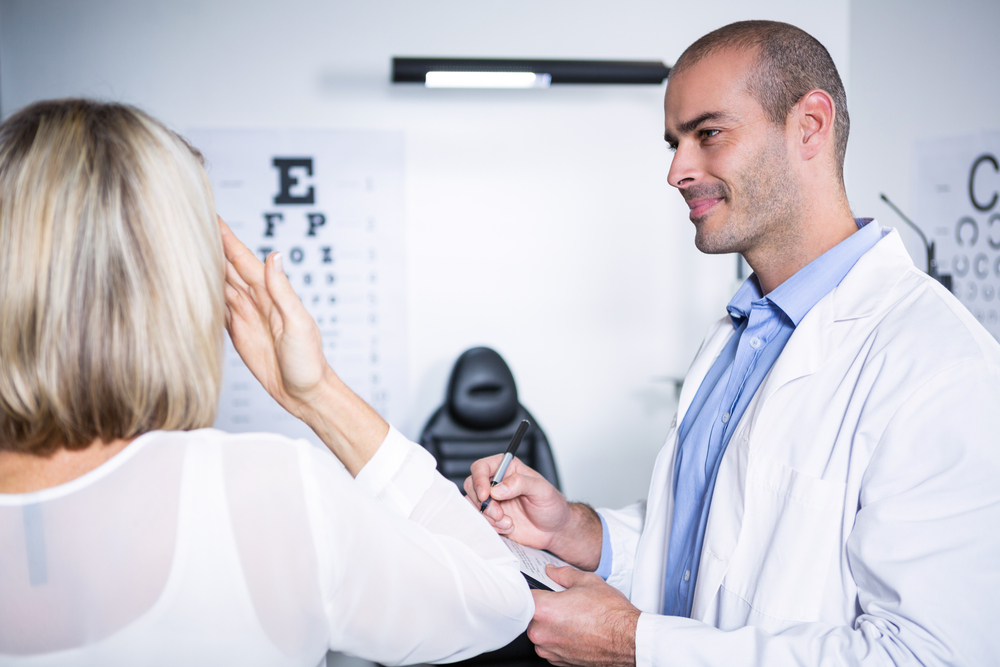
How to diagnose legal blindness. Male optometrist taking eye test of female patient in ophthalmology

Common Vision Conditions That Are Linked to Legal Blindness

The common vision conditions described below can cause legal blindness if left untreated.

Age-Related Macular Degeneration

Age-related macular degeneration is the leading cause of severe vision loss in adults over the age of 60. It occurs when the macula—the central part of the retina—deteriorates. The retina is the light-sensing nerve tissue at the back of the eye. Although age-related macular degeneration doesn’t typically cause total blindness, it’s still a possibility. At the very least, it can cause visual impairments that inhibit daily tasks.

Cataracts

A cataract is distinguished by a clouding of the eye’s natural lens, which blurs vision. Cataracts make it more difficult to complete daily tasks, like reading, driving, and watching TV. The more a cataract progresses, the more likely it is to cause vision loss, which could lead to blindness.

Diabetic Retinopathy

Diabetic retinopathy is a vision condition that can affect people with both type 1 and type 2 diabetes. It damages the blood vessels at the back of the retina, which can lead to vision loss and even blindness if left unchecked.

Glaucoma

Glaucoma constitutes a group of vision conditions that damage the optic nerve, which transfers images from the eye to the brain. Similarly to age-related macular degeneration, glaucoma is a leading cause of blindness in people over age 60.

How Legal Blindness Is Treated

The particular vision condition that caused you to become legally blind will help your doctor determine the proper treatment plan. Common treatments for legal blindness include prescription glasses or contacts, medication, a corneal transplant, cataract or retinal surgery, and visual rehabilitation—like low vision therapy and low vision devices.

These treatments are designed to enhance one’s vision to improve their daily function and overall quality of life. Keep in mind, though, that not all cases of legal blindness can be treated.

How to Prevent Legal Blindness

Prevention is always preferred over treatment. Here are five practical ways that you can prevent legal blindness.

  1. Schedule routine eye exams with dilation: These comprehensive exams enable doctors to detect, diagnose, and treat vision conditions that could cause legal blindness.
  2. Maintain a healthy lifestyle: Eat nutrient-rich foods, exercise regularly to maintain a healthy weight, and get plenty of sleep each night.
  3. Know your family history: Some eye conditions that cause legal blindness are hereditary. Knowing your family’s history of these conditions can help you protect your vision.
  4. Wear eye protection when necessary: Whether you’re mowing the lawn or participating in a contact sporting event, you should wear protective eyewear to shield your eyes from common hazards.
  5. Don’t smoke: If you’ve never smoked, don’t start. If you currently smoke, quit.

Schedule Your Annual Eye Exam at Specialty Eye Institute

The best thing you can do for your vision is schedule routine eye exams. During a comprehensive eye exam at Specialty Eye Institute, the doctor will check your eyes for signs of common vision conditions that can cause legal blindness. This exam also helps the doctor determine your need for prescription glasses or contacts.

Schedule your appointment today to get started.

Book An Eye Exam

June 28, 2023 Filed Under: Blog

The Importance of Vision Screening Tests

Vision Screening Test

With the rush of our daily lives, it’s easy for things to slip your mind. You may forget to take the trash out or to return that phone call from your mom. But one thing you never want to forget is to schedule a vision screening.

It’s natural to have questions before making an appointment for a vision test. Your eye care is important to us, so we answered some of the most common ones for you.

What is a Vision Screening?

You may have received a vision screening at work or at school years ago. Maybe you had a vision screening test when you renewed your driver’s license.

This is not the same as a comprehensive eye exam. Screening is usually performed by volunteers, a school nurse, or a DMV employee and will last only a few minutes.

During a vision screening, you will be tested for major problems as quickly as possible. Some things that are tested for include blurred vision and loss of muscle control. This is usually done by reading the letters on an eye chart.

Vision ScreeningWhat is the Difference Between a Vision Screening and An Eye Exam?

A vision screening test is intended to identify people with undetected vision problems. During the screening, you will be tested for many things including symptoms of major eye problems, and if the person performing the visual screening foresees any major issues, they will recommend you schedule an appointment with your optometrist or ophthalmologist for further examination.

A comprehensive eye exam, on the other hand, is an in-depth examination performed by an optometrist or ophthalmologist. During an eye exam, you will be checked not only for visual acuity and color blindness but also for signs of serious eye problems, like glaucoma and cataracts. Vision problems can be treated if they are detected early.

Early signs of serious health problems can also be detected during your eye exam. These can include high blood pressure as well as the risk of stroke and diabetes. Your doctor will discuss your results and go over any eye care instructions they may have.  

Adults should have comprehensive vision exams every two years. However, if you’re 60 or older you should have your eyes checked once a year to make sure you are seeing as well as you should.

Tips & Insights: The Top Signs & Symptoms of Macular Degeneration

What is a Cataract Screening?

A cataract screening is usually one part of a comprehensive eye exam. People with cataracts see the world as if they are looking through a foggy window. It can be hard to drive a car or read, and they may become more sensitive to light. Cataracts develop slowly and cloud the lens of the eye over time.

They are the leading cause of vision loss in adults 55 and older. During the vision screening, we will review your symptoms and medical history, and perform a few specialized tests.

These Tests May Include:

Visual Acuity Test – You will be asked to read a line of letters on a chart or through a viewing device. The letters will get smaller the farther down you go. Your eyes will be tested one at a time by covering one eye, and then the other. This vision screening test determines your vision at a given distance.

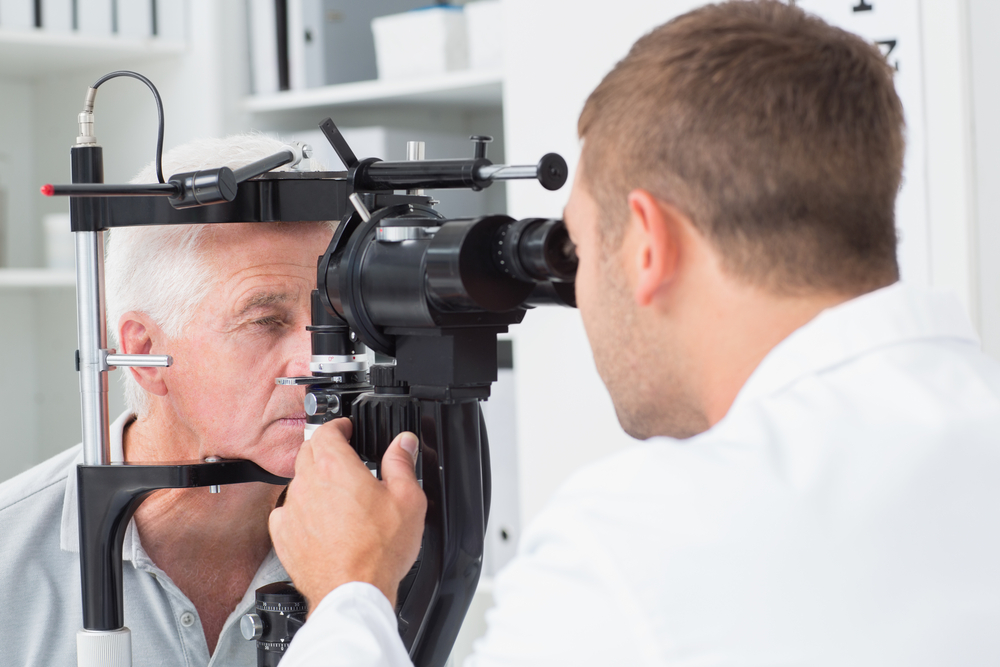
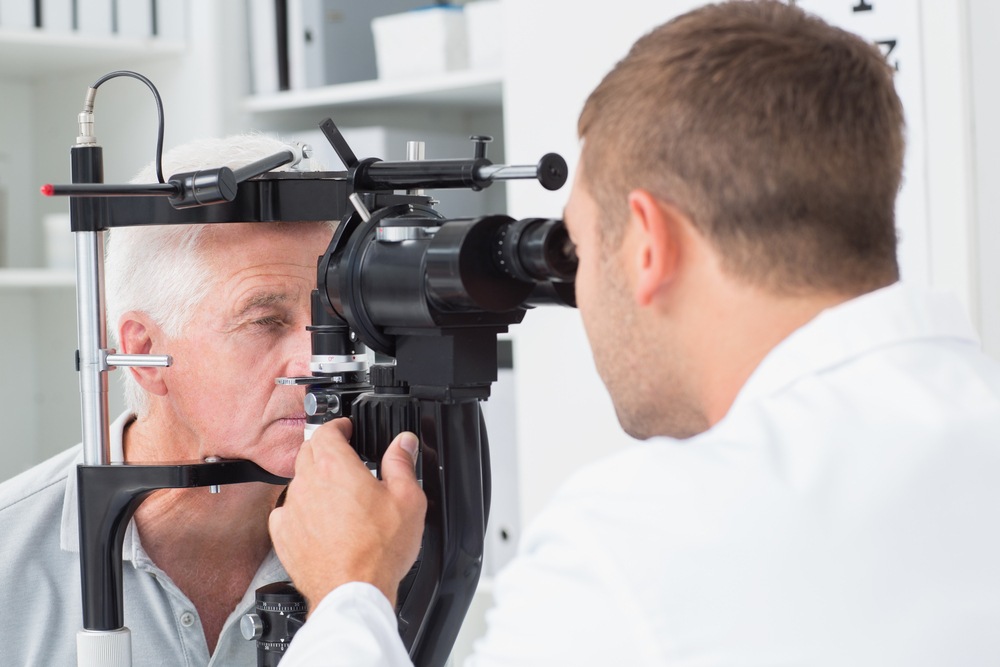
Slit Lamp Examination – A slit lamp is a microscope that uses a bright line of light, or a slit, to allow your doctor to examine the anatomy in the front part of your eye. This allows your eye doctor to look at your cornea, lens, iris, and the area between your cornea and iris.

Tips & Insights: What is Diabetic Retinopathy?

Factors that Increase Your Risk of Cataracts Include:

  • Age
  • Diabetes
  • Previous eye injury
  • Previous eye surgery
  • Extreme exposure to sunlight
  • Smoking
  • Obesity
  • Use of certain medications
  • High blood pressure
  • Excessive alcohol use

Vision Screening Tests From Specialty Eye Institute

A vision screening should be a part of everyone’s regular health routine. Undetected vision problems can lead to issues at work or school. Why take the risk? Do your eyes a favor and call us today to schedule your vision screening. In addition to offering innovative vision screenings to clients, our team of ophthalmologists offers other types of vision care solutions. Our doctors provide reliable vision treatments such as LASIK eye surgery, corneal transplants, blepharoplasty treatments, and refractive lens exchange surgery. Give our team of ophthalmologists and doctors a call by phone at (877) 852-8463 to schedule an upcoming vision screening or treatment.

Schedule An Appointment With Our Team Of Ophthalmologists & Doctors

Call Our Team
Book Appointment

April 13, 2021 Filed Under: Blog

Aaron Dudley’s LASIK Journey


As a catcher, having clear, precise vision is of utmost importance. Aaron chose Dr. Ronald Brown as his eye surgeon because of his extensive experience and reputation as a leader in Laser Vision Correction.

Dr. Brown, a Cataract and Refractive Specialist, has practiced ophthalmology in Toledo for over 15 years. He turned to ophthalmology as a way to help people, while using his science and engineering background in what he feels is the most technologically advanced specialty in all of medicine.

Dr. Brown had Laser Vision Correction in 1996 by a TLC surgeon because he wanted the best. To schedule a FREE consultation with Dr. Brown call (877) 852-8463 today.

Read more: Is LASIK Worth it?

November 23, 2012 Filed Under: Blog

  • «
  • 1
  • …
  • 6
  • 7
  • 8
  • 9
  • 10
  • …
  • 21
  • »
  • Eye Doctors
  • Specialty Eye Institute Locations
  • Careers
  • News & Events
  • Schedule Appointment
  • Patient Resources
  • Contact Us

For Patients

  • Schedule Appointment
  • Patient Resources
  • Patient Forms
  • Billing and Insurance Information
  • Financing
  • ACA Non-Discrimination Notice
  • Legal Resources

For Doctors

  • Continuing Education Events
  • Grand Rounds
  • Referring a Patient
  • Clinical Forms

Make an Appointment

  • MM slash DD slash YYYY

Schedule Your Free Consultation Today

Schedule your LASIK Consultation
reCAPTCHA is required.

By submitting this form, you accept the Mollom privacy policy.


To find an optometrist near you, type your city and state or zip code.

FOR PATIENTS

  • Affiliate Doctors Home Page
  • Announcements
  • Order Supplies
  • Clinical Forms
  • Continuing Education Events
  • Grand Rounds
  • Logout

FOR DOCTORS

  • Affiliate Doctors Home Page
  • Announcements
  • Order Supplies
  • Clinical Forms
  • Continuing Education Events
  • Grand Rounds
  • Logout

CONTACT US

Phone Icon to Call Specialty Eye Institute of Michigan and Ohio 877-852-8463

SOCIAL MEDIA

SIGN UP NEWSLETTER

We Are a Proud Partner Of

  • Home
  • About Us
  • Patient Resources
  • News
  • Locations
  • Careers
  • Privacy Policy
Specialty Eye Institute © 2026
Digital Marketing by Youtech. 8778528463

Copyright © 2026 · specialtyeyeinstitute on Genesis Framework · WordPress · Log in

Pencil Icon - Cataract Information CATARACT
SELF-TEST
Pencil Icon - Lasik Self-Test LASIK
SELF-TEST
Pencil Icon - Schedule Appointment at SEI SCHEDULE
APPOINTMENT
877-852-8463Newsletter Sign UpLocationsPatient PortalSchedule Appointment
  • About
    • Call Now
    • Testimonials
    • Join Our Team
    • News & Events
    • Back
  • Eye Doctors
    • SEI Doctors
    • Affiliate Doctors Login
    • Back
  • Services
    • Eye Exams
    • Cataract Eye Surgery
      • Laser Cataract Surgery
      • Cataract Surgery Lens Options
      • Cataract FAQ
      • Back
    • LASIK Eye Surgery
      • Take Our LASIK Self-Test
      • LASIK Pricing
      • Affordable Options for LASIK
      • Financing
      • LASIK FAQs
      • Back
    • EVO ICL Eye Surgery
    • Refractive Lens Exchange Surgery
    • Dry Eye Treatment
    • Retinal Detachment Treatments
    • Corneal Transplants
    • Blepharoplasty Treatments
    • Back
  • Vision Conditions
    • Astigmatism
    • Diabetic Retinopathy
    • Diplopia
    • Glaucoma
    • Hyperopia
    • Keratoconus
    • Low Vision
    • Macular Degeneration
    • Macular Edema
    • Macular Holes
    • Myopia
    • Presbyopia
    • Vitreous Detachment
    • Back
  • Resources
    • What to Expect at Your Eye Appointment
    • Patient Forms
    • Video Library
    • Financing
    • Retina Care
      • Eye Anatomy
      • Epiretinal Membrane (Macular Pucker) Treatment & Surgery
      • Free Printable Amsler Grid Test PDF
      • Back
    • Travel Support
    • Newsletter Sign Up
    • No Surprises Act: Billing Disclosures
    • Notice of Availability
    • Notice of Nondiscrimination
    • Back
  • Surgery Centers
    • Lansing
    • Jackson
    • Back
  • Contact
    • Call Now
    • Schedule Appointment
    • Back