877-852-8463CareersLocationsPatient PortalRequest Appointment

Specialty Eye Institute

Premier providers of eye surgery and LASIK in Michigan and Northwest Ohio

  • About
    • Call Now
    • Testimonials
    • Join Our Team
    • News & Events
  • Eye Doctors
    • SEI Doctors
    • Affiliate Doctors Login
  • Services
    • Eye Exams
    • Cataract Eye Surgery
      • Laser Cataract Surgery
      • Cataract Surgery Lens Options
      • Cataract FAQ
    • LASIK Eye Surgery
      • Take Our LASIK Self-Test
      • LASIK Pricing
      • Affordable Options for LASIK
      • Financing
      • LASIK FAQs
    • EVO ICL Eye Surgery
    • Refractive Lens Exchange Surgery
    • Dry Eye Treatment
    • Retinal Detachment Treatments
    • Corneal Transplants
    • Blepharoplasty Treatments
  • Vision Conditions
    • Astigmatism
    • Diabetic Retinopathy
    • Diplopia
    • Glaucoma
    • Hyperopia
    • Keratoconus
    • Low Vision
    • Macular Degeneration
    • Macular Edema
    • Macular Holes
    • Myopia
    • Presbyopia
    • Vitreous Detachment
  • Resources
    • What to Expect at Your Eye Appointment
    • Patient Forms
    • Video Library
    • Financing
    • Retina Care
      • Eye Anatomy
      • Epiretinal Membrane (Macular Pucker) Treatment & Surgery
      • Free Printable Amsler Grid Test PDF
    • Travel Support
    • No Surprises Act: Billing Disclosures
    • Notice of Availability
    • Notice of Nondiscrimination
  • Surgery Centers
    • Lansing
    • Jackson
  • Contact
    • Call Now
    • Schedule Appointment

5 Best Foods For Eye Health & Vision

Frittata - Foods for Eye Health

You know how important your vision is. Imagine navigating the world without it. Did you know that certain types of foods can improve your eye health?

These Vitamin-Rich Foods are Good for your Eye Health

You probably already know that carrots are good for your eyes, but have you ever thought about what’s in them? Things like vitamins C and E, zinc, lutein, zeaxanthin, and omega-3 acids all help your eyes stay healthy. They can help prevent cataracts and age-related macular degeneration (AMD).

But, where can you find them? Spinach and Kale also have antioxidants that protect your eyes from damage. Damage can come from sunlight, cigarette smoke, and even the air around you. They also have lutein and zeaxanthin.

Grapefruit, strawberries, and Brussels are full of vitamin C. Vitamin C is considered the king of antioxidants, so stock up on food that contains this as often as you can!

Seeds, nuts, and wheat germ have vitamins C and E. These foods work together to enhance your eye health and keep your tissues healthy. Turkey, oysters, crab, salmon, sardines, and herring contain zinc and lots of omega-3 fatty acids which may reduce the risk of dry eyes.

Pumpkin and sweet potatoes contain vitamin A, which can help with night vision.

The 5 Best Foods for Eye Health

Some of the previously mentioned food to support healthy vision isn’t the greatest to eat on their own. It would be better to incorporate the taste of them into some delicious meals.

We’ve put together some of our favorite recipes below – they all include foods and vitamins to improve your eye health.

Stuffed Mushrooms - Foods for Eye Health

1.  Cheese & Spinach Stuffed Portobello Mushrooms

This is a yummy way to create the taste of pizza, but it’s still a really healthy hors d'oeuvre, appetizer, or starter. This recipe works best with large Portobello caps. Though, if you find smaller ones, buy a couple of extra so you can spread the ingredients evenly.

You will need:

  • 4 large Portobello mushroom caps
  • ¼ of a teaspoon of salt
  • ¼ of a teaspoon of freshly ground pepper
  • 1 cup of part-skim ricotta cheese
  • 1 cup of finely chopped fresh spinach
  • ½ a cup of finely shredded Parmesan cheese
  • 2 tablespoons finely chopped Kalamata olives
  • ½ a teaspoon of Italian seasoning
  • ¾ a cup of prepared marina sauce.

It will take around 40 minutes from start to finish. Check out the full recipe.

Tips & Insights: Advantages of Using PanOptix Lenses (IOLs)

Salmon Cakes - Foods for Eye Health

2. Easy Salmon Cakes

If you're looking for delicious foods that can help improve your eye health, salmon cakes are packed with omega-3s. It will work for both fresh and canned salmon.

You will need:

  • 3 teaspoons of extra virgin olive oil
  • 1 small onion, finely chopped
  • 2 tablespoons chopped fresh parsley
  • 15 ounces of canned salmon, or 1 ½ cups of cooked salmon
  • 1 large egg, lightly beaten
  • 1 ½ teaspoons of Dijon mustard
  • 1 ¾ cups of fresh whole wheat breadcrumbs
  • ½ teaspoon freshly ground pepper
  • Creamy dill sauce
  • 1 lemon cut into wedges.

It should take around 45 minutes in total to make. Here is the full recipe.

Foods for Eye Health

3. Strawberry Blueberry Compote in Red Wine Syrup

This is a fun combination of flavorful fruits and food that's good for your eyes and health. It should only take around half an hour to make. This is a great recipe for a party, as it serves 8.

You will need:

  • 1 cup of dry red wine
  • ¼ cup of sugar
  • ½ teaspoon of whole black peppercorns
  • 2 (2 ½ inch) orange rind strips
  • 1 cinnamon stick
  • 1 bay leaf
  • 4 cups sliced strawberries
  • 1 cup of blueberries

Need Help? Our Team Of Ophthalmologists offers Visian ICL Surgery & Other Types of Eye Care Solutions

Roasted Almonds

4. Rosemary Roasted Almonds

Rosemary roasted almonds are an easy snack that can help maintain your eye health and satisfy your cravings. There’s nothing worse than being hungry in the middle of the day. Spending 20 minutes or less each day to make delicious food such as rosemary roasted almonds is an easy way to preserve the health of your vision.

You will need:

  • 1 tablespoon finely chopped fresh rosemary
  • 1 tablespoon of extra virgin olive oil
  • 1 teaspoon of Chile powder
  • 3.4 teaspoons of kosher salt
  • Dash of ground red pepper
  • 1 bag of whole almonds

Frittata

5. Green Eggs and Ham Frittata

Who doesn’t love some classic green eggs and ham? If you are searching for food that is good for your eyes, this meal features leeks, dills, spinach, and Havarti cheese. It will take around an hour to make and bake.

You will need:

  • 8 large eggs
  • 1 ½ teaspoons of dried dill
  • ¼ teaspoon of salt
  • ¼ teaspoon of freshly ground pepper
  • 2 tablespoons of extra virgin olive oil
  • 2 leeks, white and light green parts only, diced
  • 1 5-ounce bag of baby spinach, chopped
  • ½ cup of diced ham
  • ½ cup of shredded Havarti or muenster cheese.

Food that’s good for your eyes doesn’t have to taste bad. You can easily find food that’s good for your vision and good to eat. These meals are both literally and figuratively a feast for your eyes. If you need help preserving or improving your vision, give our team of ophthalmologists a call by phone at (877) 852-8463. Our team offers innovative eye care solutions such as cataract eye surgery, blepharoplasty treatments, LASIK surgery, and refractive lens exchange eye care options. Our team of ophthalmologists in Battle Creek, MI, and other areas are committed to helping you enhance your sight and health.

Tips & Insights: Anatomy of Your Eyes: 9 Main Components
Filed Under: Blog

How to Prevent Glaucoma: Risk Factors, Diet, & Tips

How to Prevent Glaucoma

Glaucoma is one of the leading causes of blindness in people who are 60 years old and over. A fairly common condition, glaucoma causes damage to the eye’s optic nerve. Our optic nerve is vital for healthy vision and damage caused by glaucoma is mostly irreversible. For this reason, it is important to know how to prevent glaucoma.

While it’s most common in older adults, glaucoma can also occur at any age. Sadly, many forms of glaucoma have little or no warning signs. This means that the damage is often so gradual that people do not notice a change in vision until the condition is quite advanced. If you want to know how to prevent glaucoma, we have created an outline of the risk factors for the condition.

What Causes Glaucoma?

Generally, glaucoma is caused by abnormally high pressure in the eyes. However, there are other risk factors that can cause the onset of this condition such as family history, thin corneas, and ethnicity.

The three types of glaucoma include open-angle glaucoma, angle-closure glaucoma, and normal-tension glaucoma. We have created a list of the most common glaucoma risk factors and ways to reduce your risk of developing the condition.

Risk Factors For Glaucoma Include:

  • High eye pressure
  • Family history of glaucoma
  • Age 40 and older for African Americans
  • Age 60 and older for the general population
  • Thin corneas
  • Suspicious optic nerve appearance with increased cupping (the space at the center of the optic nerve, is larger than normal)

Risk Factors For Open-Angle Glaucoma Include:

  • High myopia (very severe nearsightedness)
  • Diabetes
  • Eye surgery or injury
  • High blood pressure
  • Use of corticosteroids (for example, eye drops, pills, inhalers, and creams)

Risk Factors For Angle-Closure Glaucoma Include:

  • Age 40 and older
  • Family history of glaucoma
  • Poor short-distance vision
  • Eye injury or eye surgery
  • East Asian and Inuit ethnicity
  • Risk Factors for normal-tension glaucoma
  • Cardiovascular disease
  • Family history of glaucoma
  • Low eye pressure
  • Japanese ethnicity

How to Prevent Glaucoma - Ophthalmologist

How To Prevent Glaucoma

Since vision loss due to glaucoma can't be recovered, it's important to take a large number of precautions to reduce the risk factors for this condition. Most importantly, try to have regular eye exams where an optometrist will measure your eye pressure. This way, if there is a problem, a diagnosis can be made in the early stages and treated appropriately to prevent glaucoma. If glaucoma is recognized early, vision loss can be slowed or even prevented.

Tips & Insights: Should I Receive A Second Opinion Prior to Cataract Surgery?

To prevent or lower your risk of developing glaucoma, medical experts recommend a healthy lifestyle that includes regular exercise and a nutritious diet to improve your overall physical and mental well-being. Take note of the following tips to maintain a healthy lifestyle:

Tips For Preventing Glaucoma

  • Maintain a healthy weight
  • Keep your blood pressure at a normal level
  • Don’t smoke or drink excessive amounts of alcohol
  • Limit caffeine intake to moderate levels, because some evidence suggests that high amounts of caffeine may increase eye pressure
  • Try to exercise daily by doing physical activities such as walking, swimming, or working in the yard
  • Prevent over-exposure to sunlight by wearing sunglasses and hats when you’re outdoors
  • Get regular, comprehensive eye exams, and consult your doctor if you notice changes in your vision
  • If you are African American, taking prescription eye drops could cut your risk of getting glaucoma in half

Did you know including certain foods in your diet can help reduce your total amount of risk factors for glaucoma? Here is a list of vision-boosting foods to eat:

Diet to Prevent Glaucoma

How to Prevent Glaucoma with Broccoli

Foods That Contain Carotenoids

Foods containing carotenoids may help reduce your risk or prevent several types of medical conductions such as glaucoma. Research indicates that carotenoids may help protect your eyes from the damaging effects of blue light and reduce your risk of age-related macular degeneration (AMD) later in life. Carotenoids are found mostly in carrots and dark, leafy greens such as spinach, collard greens, and kale. Carotenoids are also found in yellow corn, okra, broccoli, Brussels Sprouts, mango, green beans, sweet potatoes, lima beans, squash, bell peppers, and egg yolks.

Foods High In Vitamin C

Vitamin C is good for the blood vessels in your eyes, and science suggests it could lower your risk of getting glaucoma and cataracts. Foods that are high in vitamin C include peppers, citrus fruits, tomatoes, broccoli, strawberries, sweet and white potatoes, leafy greens, and cantaloupe.

Tips & Insights: Should I Schedule a Cataract Surgery?

Eggs

Foods High in Vitamin E

A large study found that vitamin E, together with other nutrients, can help slow age-related macular degeneration from getting worse. These foods include eggs, fortified cereals, fruit, wheat germ, green leafy vegetables, nuts, nut oils, vegetable oils, and whole grains.

Foods Containing Vitamin A

Plant-based forms of Vitamin A, such as sweet potatoes and mango have proven to lower your risk of long-term eye diseases, including AMD and cataracts. It is thought that most western diets don’t get nearly enough Vitamin A, so be sure to make an effort to include Vitamin A-rich foods in your diet.

Foods Containing Zinc

Zinc brings Vitamin A from your liver to your retina. Here it is used to make a protective pigment called melanin. If you are looking for ways to decrease your risk factors for glaucoma, oysters have more zinc per serving than any other food. In addition, foods such as chickpeas, black-eyed peas, kidney beans, and lentils are good sources of zinc.

Foods With Omega-3 Fatty Acids

Omega-3s have also been shown to protect your eyes from AMD and glaucoma. Low levels of these fatty acids have also been linked to dry eyes. So be sure to fill your diet with salmon, sardines, walnuts, flax seeds, and chia seeds to up your fatty acid intake to help protect your eyes.

Food

What Foods to Avoid to Prevent Glaucoma

While a healthy diet that is low in processed foods and sugar is beneficial for your all-around health, there are no specific foods to avoid when it comes to how to prevent glaucoma. However, there is a link between excessive caffeine consumption and a rise in eye pressure. While a few cups of coffee won’t cause harm, moderation is key. So if you do drink a lot of coffee, think of switching to something else or at least swap a portion of your daily cups of coffee to decaf.

Our team of glaucoma specialists offers innovative glaucoma treatments to clients in areas such as Ann Arbor, Battle Creek, Toledo, Lansing, and Jackson. In addition, we offer other types of eye care solutions such as LASIK surgery, blepharoplasty treatments, cataract eye surgery, and refractive lens exchange treatments. Make an appointment with an eye care specialist today to learn more about glaucoma and treatment options.

Tips & Insights: What is the Difference Between an Eye Exam and A Vision Screening?

Filed Under: Blog Tagged With: diet, glaucoma

LASIK Eye Surgery Recovery: What To Expect, Timeline, & Results

LASIK Recovery Time

The LASIK Recovery Process

Laser eye surgery is a great option for people who want a lasting, cost-effective vision solution that gives them the freedom to do what they love free of glasses or contacts. However, enjoying these benefits may not be as simple as going in for a LASIK procedure and then going right back to your day-to-day routine for everyone. Here are a few things you should know about your LASIK recovery time and what can affect your LASIK eye surgery recovery. 

How Long is the LASIK Eye Surgery Recovery Timeline?

There are various stages of the LASIK surgery recovery timeline. A lot of people notice significantly enhanced vision immediately following their LASIK eye surgery. Most patients can return to their normal routine in just a few days.

After laser eye surgery, it will be important to use the eye drops prescribed by your eye doctor. This will maximize the healing process and prevent any infection. For each stage in the LASIK recovery timeline, keep in mind that there are different expectations in terms of visual results, steps in your aftercare, and tips to speed up the healing process. 

LASIK Eye Surgery Recovery with Doctor

The First Day After LASIK Surgery

To ensure a smooth recovery at the conclusion of LASIK eye surgery, it's important to wear a protective eye covering on the first day after the procedure. In addition,  you will need to be driven home by a friend or family member. Wear this covering until the next morning and swap it with any protective sunglasses you received from your doctor. You can shower after the first day, but avoid irritating your eyes with water or soap. 

You may experience some eye discomfort on the first day of the LASIK surgery recovery. Usually, this means dryness, blurriness, itchiness, and light sensitivity. However, these symptoms should be alleviated with lubricating eye drops prescribed by your doctor and over-the-counter pain relief medication. If you experience worsening pain, contact your physician.

Need Help? Our Staff of Ophthalmologists in Toledo, OH Offer Innovative LASIK Surgery & Treatment Options

The First Week After LASIK

Your physician will want to see you at least a couple of days following your eye procedure to ensure you are navigating the LASIK eye surgery recovery timeline correctly. During the first week and onward of your healing process, you should be using the eye drops and pain medication as often as prescribed.

You will need to avoid touching your eyes, using eye makeup (and remover) and creams, doing yard work, night driving, and exercising. Avoid coming into contact with general eye irritants (e.g. dust, smoke). This will prevent infection and allow the incision to heal.

To maintain the safety of your eyes throughout the healing process, wear UV-protective eyewear or protective goggles outside and during physical activity or home improvement tasks.

After the First Week 

The eye discomfort and light issues you may have initially experienced should be gone or at least substantially better. You will be visiting your eye doctor periodically over the next year so they can check on the progress of your LASIK eye surgery recovery and vision improvements.

Although uncommon—if you’re experiencing vision issues after your procedure, your doctor may recommend getting a LASIK enhancement surgery to improve your eyesight further.

Factors That Affect LASIK Recovery Time

There are a few factors that can affect your LASIK eye surgery recovery timeline outside of just following your laser eye surgeon’s guidelines:

  • Not using your eye drops as directed
  • Dry eyes
  • Other vision issues
  • Individuals with a more extreme eye prescription may also expect a longer recovery time 

Ophthalmologist

FAQ: Laser Eye Surgery Recovery

Will I Have 20/20 Vision After LASIK?

There’s no guarantee that LASIK surgery will give you perfect vision, but it is highly successful. Most patients can expect quick, notable results after LASIK eye surgery so close to 20/20 vision that they may no longer depend on corrective lenses.

How Long Do the Effects of Laser Eye Surgery Last?

While your vision will continue to change as part of the aging process, LASIK permanently reshapes your cornea. Most patients enjoy their new vision for years to come. 

Read More: Is LASIK Worth It?

Will My Activities Be Restricted During LASIK Recovery?

Depending on how quickly you tend to heal, you can typically return to most normal activities in a few days. Your surgeon will go over any restrictions at the time of surgery and following your 1-day post-operative appointment. Some temporary restrictions immediately following surgery may include driving, showering, rubbing your eyes, reading, swimming, exercising, and sports. It is also recommended that you stay away from dirty and dusty environments. These restrictions are only temporary and your doctor will instruct you on when you can resume these activities.

What Are the Most Common LASIK Recovery Complications?

Some common LASIK recovery complications include irritation, discomfort, and night glares. To minimize any recovery complications, visit your eye doctor for several follow-up visits within the first year of your procedure. These follow-up visits allow your eye doctor to follow your healing timeline. If you experience any vision issues following your LASIK procedure, we advise you to contact your eye doctor immediately. 

Picking an experienced surgeon is important when considering laser eye surgery. The staff of ophthalmologists at Specialty Eye Institute offers various types of eye care solutions such as LASIK eye surgery, dry eye treatments, cataract surgery, keratoconus treatments, and glaucoma options. Schedule your LASIK consultation to learn more! Give our staff of ophthalmologists and optometrists a call by phone at (877) 421-9132 to talk about the benefits and recovery timeline of a LASIK procedure.

Tips & Insights: What Is An Implantable Collamer Lens (ICL) Eye Surgery?

Filed Under: Blog Tagged With: LASIK

Specialty Eye Institute Gives the Gift of Sight to Eight Local Residents

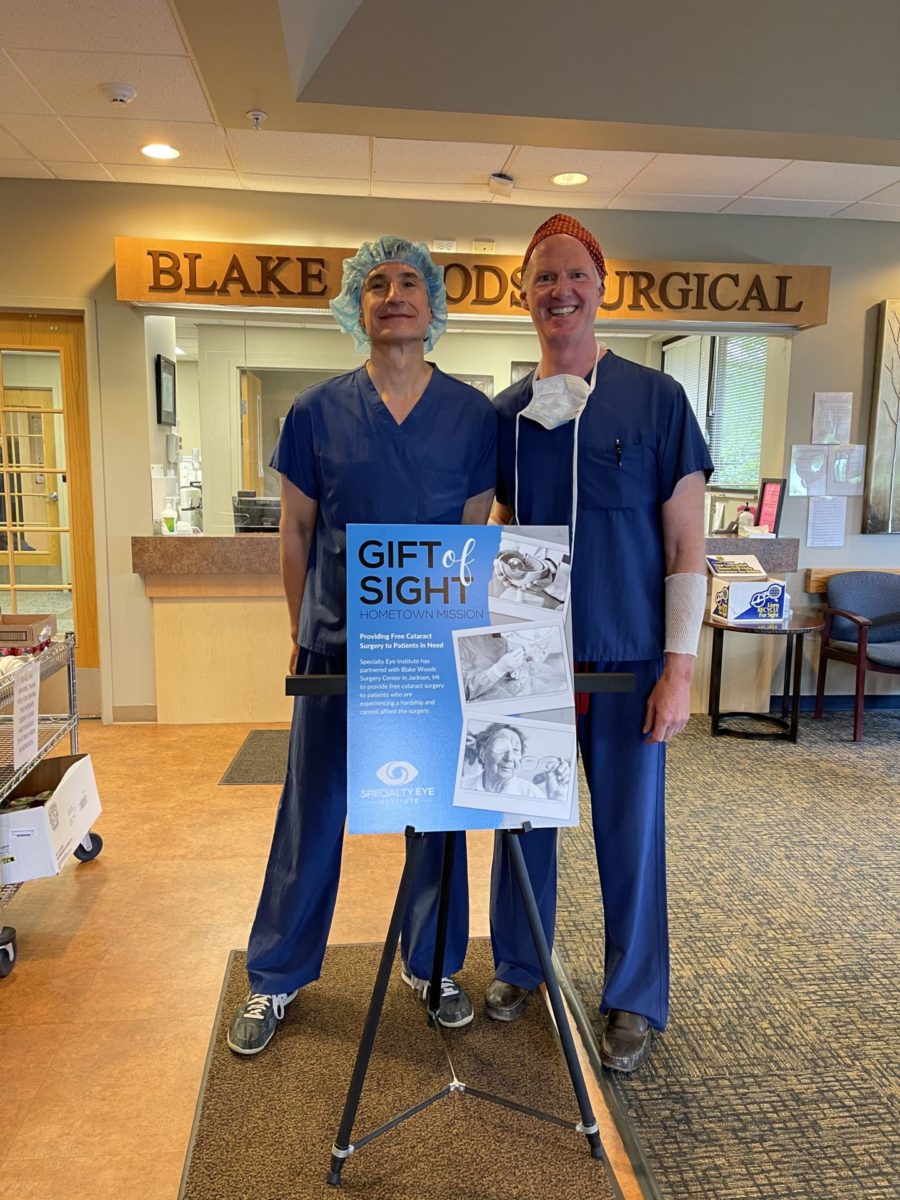
Dr. Kevin Lavery and Dr. Anthony Sensoli, two ophthalmologists at Specialty Eye Institute, recently donated their surgical services to help 8 local patients suffering from cataracts.

Jackson, Michigan (June, 2021) – Specialty Eye Institute and Blake Woods Surgery Center Medical Park recently waived their fees and secured donated lenses in order to give the gift of sight to 8 local residents. The 8 patients all suffered from cataracts, which significantly impaired their vision.

Most people develop cataracts as they age, a condition characterized by a thickening and clouding of the eye’s natural lens. The condition is easily corrected with cataract surgery, which replaces the cloudy lens with an artificial lens (IOL).

“Cataract surgery is one of the most successful surgeries performed in the world. The results are truly life changing. Unfortunately, it is unobtainable for many individuals for many reasons. The doctors at Specialty Eye Institute along with our staff are used to doing mission trips abroad to help people around the world. In this time of COVID, we decided to do a Mission Trip to Jackson, Michigan,” says Dr. Kevin Lavery.

Local optometrists including Drs. Chad Lindsey, Anne Miller, Jeffrey Fogt, Daniel Phillips, Jaclyn Tolles, Corbett Amburgey, and Ezah Cheema helped Specialty Eye Institute identify individuals who did not have medical insurance and could not afford cataract surgery through a screening process. For many of these patients, cataracts were affecting their ability to drive, work, or perform many of their daily activities.

For one patient, Mr. Gibbs, a 63-year-old truck driver, cataracts prevented him from doing his job. Mr. Gibbs helps his neighbors and veterans by shoveling snow and doing yardwork. “I feel blessed to have my life back! I am back to work and able to drive in the dark again, something I haven’t done in many years!”

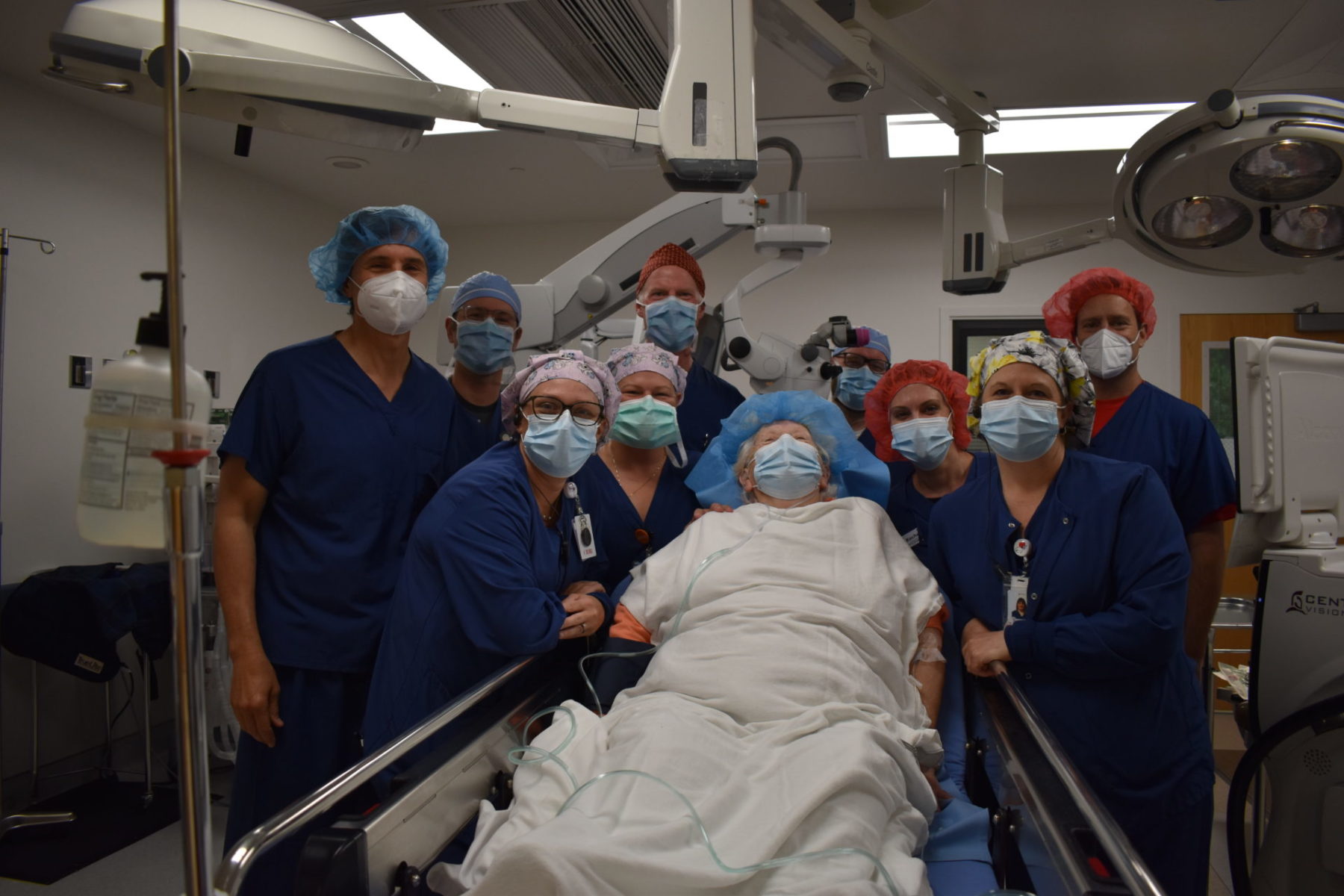
Gift of Sight Specialty Eye Institute and Blake Woods Surgery CenterThe surgeries were a coordinated effort with intraocular lenses donated from the manufacturer, Alcon along with a Hydrus Microstent for Glaucoma from the manufacturer, Ivantis. Blake Woods Medical Park Surgery Center waived their fees and provided surgical staff. Corner Drugs provided patients with complementary eye drops, and a local Jackson Bigby Coffee provided refreshments for patients and their friends and family who accompanied them at the surgery center.

If you would like to find out more about cataract surgery, LASIK, or other eye surgery procedures offered by Specialty Eye Institute, request a consultation online, or call our office at (877) 852-8463.

Filed Under: Blog Tagged With: Blake Woods Surgery Center, cataract surgery, cataracts, gift of sight

How to Relieve Itchy Eyes from Allergies

5 Tips on How to Relieve Itching Eyes from Allergies

How to Relieve Itchy Eyes from Allergies

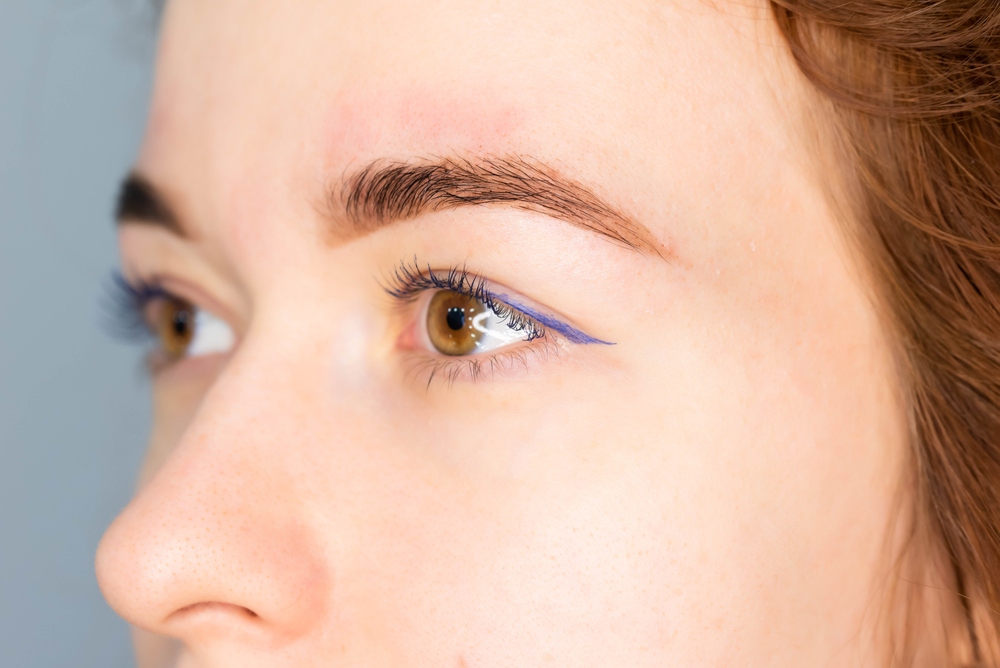
If you’re suffering from eye allergies, you’re not alone. An estimated 1 in 5 Americans deals with the annoyance of eye allergies, or ocular allergies also known as allergic conjunctivitis. While the symptoms caused by eye allergies can be bothersome, they rarely present a permanent threat to good eyesight. You can almost always find how to relieve itchy eyes quickly when you take the right steps.

However, it’s important to note that itching, redness, burning sensations and puffiness can also be signs of infection. In cases of infection, see your doctor if the symptoms don’t improve with time or with treatment such as over-the-counter remedies.

If you think you may have eye allergies, here are some helpful tips on how to get relief from your red, itchy, and watery eyes.

Allergies Cause Itchy Eyes

1.) Avoiding Allergens

Keep an eye on pollen count forecasts. If the count is going to be high, consider staying indoors. A remedy to relieve itching eyes is to replace the filters in your air conditioner and/or furnace. This will help trap allergens while creating a more comfortable environment.

2.) Use a Cold Compress

While rubbing itchy eyes may feel natural, the contact with the eyes will release more histamine and aggravate the symptoms. In other words, rubbing itchy eyes may make the problem worse. You can relieve itchy eyes by using a cold-water compress placed over your closed eyes. This will help relieve the itchy sensation while also preventing you from rubbing your eyes. A cold-water compress isn't only an easy solution, but it's also the first natural remedy for itchy eyes you should try.

3.) Remove Your Contacts

Did you know that the surface of contact lenses can attract and accumulate airborne allergens? If you are looking for ways to find relief for itchy or irritated eyes, you may want to consider wearing glasses during the allergy season. Also, consider switching to disposable lenses. This way, your contacts aren’t accumulating allergens for days.

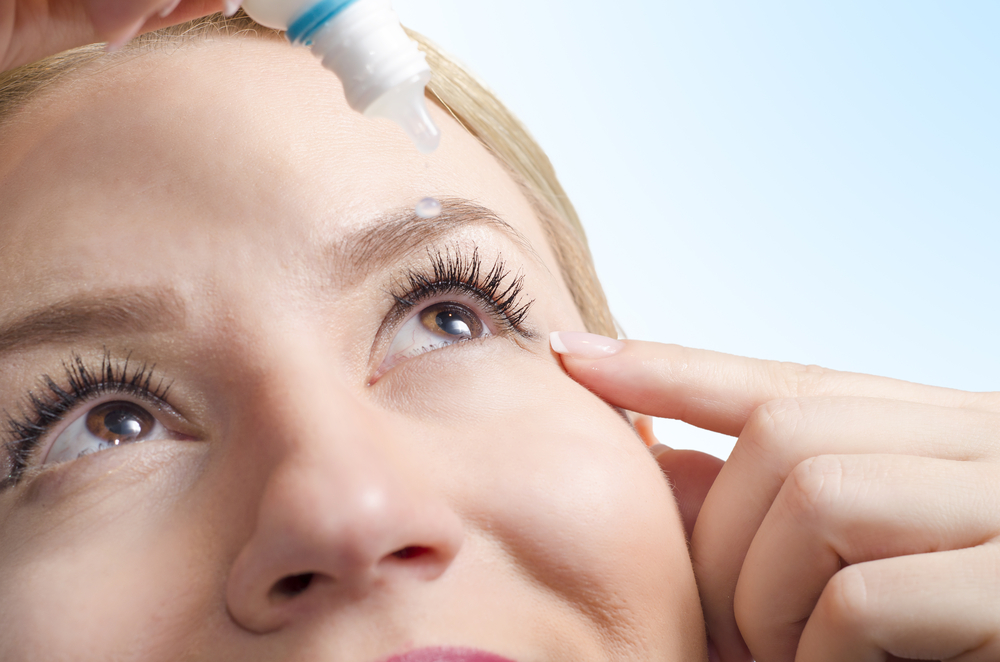
Eyedrops For Itchy Eye Relief

4.) Over-the-Counter Eye Drops

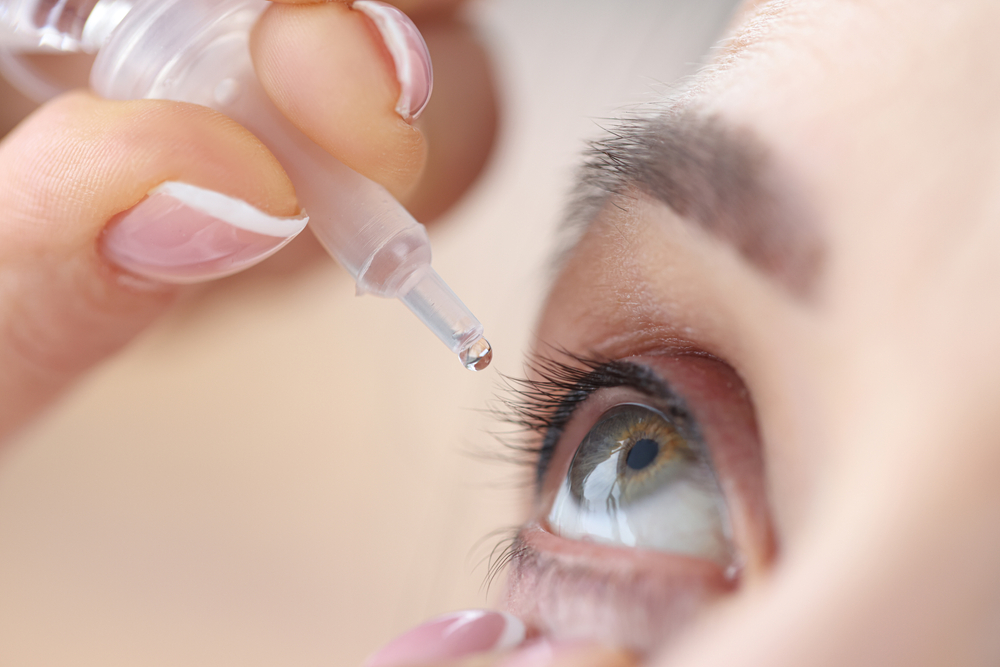
Your local pharmacy has many types of over-the-counter saline eye drops and remedies that may provide relief for your red, watery, and itchy eyes. This approach isn’t only convenient, but also budget-friendly. Your doctor can help you find the best saline eye drop brand for your symptoms.

5.) Prescription Medications

If eye drops are not providing itchy eye relief for moderate to severe, symptoms, it may be a good time to talk to your doctor about what prescription options are available. If your itchy eyes are from allergies, prescription antihistamines may help relieve your symptoms.

Ophthalmologist

How Long Do Itchy Eyes Last?

If your itchy eyes are from allergies, your symptoms can last through the pollen season. That can be anywhere from 4 to 8 weeks.

Eye Care Solutions

If you need assistance with itchy eyes, or have a vision or an eye problem, give our staff of ophthalmologists a call by phone at (877) 852-8463 to book an appointment. We offer eye care solutions to clients such as LASIK eye surgery, glaucoma treatments, cataract surgery, macular degeneration treatments, and presbyopia surgery. Our staff is committed to offering new and innovative treatments to patients.

Schedule An Appointment With Our Team Of Ophthalmologists & Doctors

Give Us a Call
Book Appointment

Filed Under: Blog

  • «
  • 1
  • …
  • 5
  • 6
  • 7
  • 8
  • 9
  • …
  • 21
  • »
  • Eye Doctors
  • Specialty Eye Institute Locations
  • News & Events
  • Schedule Appointment
  • Patient Resources

For Patients

  • Schedule Appointment
  • Patient Resources
  • Patient Forms
  • Billing and Insurance Information
  • Financing
  • ACA Non-Discrimination Notice
  • Legal Resources

For Doctors

  • Continuing Education Events
  • Grand Rounds
  • Referring a Patient
  • Clinical Forms

Schedule Your Free Consultation Today

Schedule your LASIK Consultation
reCAPTCHA is required.

By submitting this form, you accept the Mollom privacy policy.


To find an optometrist near you, type your city and state or zip code.

FOR DOCTORS

  • Affiliate Doctors Home Page
  • Announcements
  • Clinical Forms
  • Continuing Education Events
  • Grand Rounds

CONTACT US

Phone Icon to Call Specialty Eye Institute of Michigan and Ohio 877-852-8463

SOCIAL MEDIA

We Are a Proud Partner Of

  • Home
  • About Us
  • Patient Resources
  • News
  • Locations
  • Careers
  • Privacy Policy
Specialty Eye Institute © 2026

Copyright © 2026 · specialtyeyeinstitute on Genesis Framework · WordPress · Log in

Pencil Icon - Cataract Information CATARACT
SELF-TEST
Pencil Icon - Lasik Self-Test LASIK
SELF-TEST
Pencil Icon - Schedule Appointment at SEI SCHEDULE
APPOINTMENT
877-852-8463Newsletter Sign UpLocationsPatient PortalSchedule Appointment
  • About
    • Call Now
    • Testimonials
    • Join Our Team
    • News & Events
    • Back
  • Eye Doctors
    • SEI Doctors
    • Affiliate Doctors Login
    • Back
  • Services
    • Eye Exams
    • Cataract Eye Surgery
      • Laser Cataract Surgery
      • Cataract Surgery Lens Options
      • Cataract FAQ
      • Back
    • LASIK Eye Surgery
      • Take Our LASIK Self-Test
      • LASIK Pricing
      • Affordable Options for LASIK
      • Financing
      • LASIK FAQs
      • Back
    • EVO ICL Eye Surgery
    • Refractive Lens Exchange Surgery
    • Dry Eye Treatment
    • Retinal Detachment Treatments
    • Corneal Transplants
    • Blepharoplasty Treatments
    • Back
  • Vision Conditions
    • Astigmatism
    • Diabetic Retinopathy
    • Diplopia
    • Glaucoma
    • Hyperopia
    • Keratoconus
    • Low Vision
    • Macular Degeneration
    • Macular Edema
    • Macular Holes
    • Myopia
    • Presbyopia
    • Vitreous Detachment
    • Back
  • Resources
    • What to Expect at Your Eye Appointment
    • Patient Forms
    • Video Library
    • Financing
    • Retina Care
      • Eye Anatomy
      • Epiretinal Membrane (Macular Pucker) Treatment & Surgery
      • Free Printable Amsler Grid Test PDF
      • Back
    • Travel Support
    • No Surprises Act: Billing Disclosures
    • Notice of Availability
    • Notice of Nondiscrimination
    • Back
  • Surgery Centers
    • Lansing
    • Jackson
    • Back
  • Contact
    • Call Now
    • Schedule Appointment
    • Back