877-852-8463CareersLocationsPatient PortalRequest Appointment

Specialty Eye Institute

Premier providers of eye surgery and LASIK in Michigan and Northwest Ohio

  • About
    • Call Now
    • Testimonials
    • Join Our Team
    • News & Events
  • Eye Doctors
    • SEI Doctors
    • Affiliate Doctors Login
  • Services
    • Eye Exams
    • Cataract Eye Surgery
      • Laser Cataract Surgery
      • Cataract Surgery Lens Options
      • Cataract FAQ
    • LASIK Eye Surgery
      • Take Our LASIK Self-Test
      • LASIK Pricing
      • Affordable Options for LASIK
      • Financing
      • LASIK FAQs
    • EVO ICL Eye Surgery
    • Refractive Lens Exchange Surgery
    • Dry Eye Treatment
    • Retinal Detachment Treatments
    • Corneal Transplants
    • Blepharoplasty Treatments
  • Vision Conditions
    • Astigmatism
    • Diabetic Retinopathy
    • Diplopia
    • Glaucoma
    • Hyperopia
    • Keratoconus
    • Low Vision
    • Macular Degeneration
    • Macular Edema
    • Macular Holes
    • Myopia
    • Presbyopia
    • Vitreous Detachment
  • Resources
    • What to Expect at Your Eye Appointment
    • Patient Forms
    • Video Library
    • Financing
    • Retina Care
      • Eye Anatomy
      • Epiretinal Membrane (Macular Pucker) Treatment & Surgery
      • Free Printable Amsler Grid Test PDF
    • Travel Support
    • No Surprises Act: Billing Disclosures
    • Notice of Availability
    • Notice of Nondiscrimination
  • Surgery Centers
    • Lansing
    • Jackson
  • Contact
    • Call Now
    • Schedule Appointment

Will Diabetes Negatively Impact My Eyes & Vision?

True or False: The Longer You've had Diabetes, the Higher the Chance of Developing Trouble in the Back of the Eyes

Diabetic retinopathy is the leading cause of vision loss and eye problems in the working-age population in our country.

The answer is true: The key thing to remember about Diabetic Eye Disease is the longer you've had Diabetes, the higher the chance of developing problems in the back of the eyes. Diabetes causes trouble in the retina and eyesight issues in a number of ways. Primarily, when you've had Diabetes for many years, this results in damage to the small blood vessels in the back of your eyes.

So when these blood vessels are damaged, the eye is not getting enough Oxygen and that leads to a series of events that can cause loss of eyesight. For example, you can get fluid build-up in the macula, which is the very center part of the retina. That can cause trouble with reading, driving, and normal activities.

In addition, abnormal blood vessels can grow in the back of the eyes. These blood vessels can proliferate, they're very fragile, they can cause bleeding and scarring, and even a detached retina, which can cause patients to go blind. The key to Diabetic Retinopathy is to watch your blood sugar.

Controlling your blood sugar will reduce the risk of severe vision loss by more than 50%. Now once you have Diabetic Retinopathy, it's very important to see a retina specialist because we have excellent treatments now that can stabilize the vision and in many patients, improve vision. If you are having vision issues at night or during the day, give our team a call by phone at (877) 852-8463 to book an appointment. Our ophthalmologists and optometrists offer various types of vision care solutions such as diabetic retinopathy treatments, LASIK eye surgery, keratoconus treatments, and cataract surgery. Do you have diabetes? Our doctors will work with you to develop a vision care strategy to improve your sight and life.

Author

Surendar Purohit, MD
Surendar Purohit, M.D.
Vitreoretinal Specialist

Filed Under: Blog

Dry Vs Wet Macular Degeneration: Risk Factors & Treatments

Ophthalmologist talking about Wet vs Dry Macular Degeneration

The leading cause of vision loss among Americans 60 years of age and older is macular degeneration. It affects 11 million people in the United States, and that number is expected to double by 2050. The disease affects the small central portion of your retina, known as the macula. This portion of your eye is responsible for our sharp, central vision. It helps us read, recognize faces, drive, and more. In macular degeneration, this spot deteriorates and leads to irreversible destruction that could dramatically change your life as you age. There are two kinds of macular degeneration, wet and dry. To help you, we've outlined the differences of dry vs wet macular degeneration.

Two Forms of Macular Degeneration: Dry vs Wet

Dr. Carmelina Gordon, of Specialty Eye Institute, says the dry form of macular degeneration is the more stable form of the disease while the wet form is the more aggressive one. There is a 10% chance of converting to the wet form from the dry stage. If you are comparing the differences between dry vs wet macular degeneration, ninety percent of legal blindness from macular degeneration is due to the wet form. The dry form is characterized by the presence of yellow deposits in the macula, while the wet form is characterized by leaking abnormal blood vessels growing underneath the macula.

Risks for Dry vs Wet Macular Degeneration

While age and family history are the most prominent factors, there are other factors that make you more susceptible to macular degeneration. They include:

  • Smoking doubles the risk of developing the disease
  • Diets that lack vegetables & fruits
  • Women are more likely to develop the disease
  • Macular degeneration is more common among whites
  • High blood pressure & cholesterol

Doctor

Are There Early Stage Symptoms of Macular Eye Degeneration?

The early stages of wet and dry macular degeneration can be bereft of symptoms. Hence, a complete exam including a yearly dilated eye exam is recommended for people above 50 years of age. Diagnostic tools such as an Amsler Grid test can also help detect changes in the retina.

Treating Macular Degeneration

Once diagnosed, Dr. Gordon says there are various treatment options. Vitamins containing a high dose of antioxidants and zinc are recommended for intermediate-stage dry AMD. Your eye care professional will determine whether your macular degeneration is in the intermediate stage, and will make the recommendation to use these vitamins. The wet form of macular degeneration is treated using intravitreal injections of anti-VEGF drugs that are given every 4-8 weeks for an average of 2 years or more. These anti-VEGF meds include an off-label drug called Avastin, and 2 FDA-approved drugs namely, Lucentis and Eylea. Numerous research studies are underway for new drugs to treat macular degeneration. “We are constantly looking for more efficacious and permanent treatment regimens,” states Dr. Gordon, who oversees and directs the macular degeneration studies at Specialty Eye Institute.

While rarely resulting in total blindness, the potentially significant visual disability caused by macular degeneration can be life-altering. Its negative effect on our central vision (crucial for everyday activities), further showcases the importance of regular exams especially as we age. Our team of ophthalmologists offers innovative macular degeneration treatments to help preserve or improve your vision. In addition, our staff of doctors provides other types of eye care solutions such as cataract eye surgery, refractive lens exchange treatments, and LASIK surgery. Give our team of ophthalmologists and optometrists a call by phone at (877) 852-8463 to book an appointment. Our doctors may perform a variety of tests to diagnose dry and wet macular degeneration.

Tips & Insights: What Are the Advantages Of Receiving ICL Eye Surgery?

Filed Under: Blog

6 Tips On How To Maintain Good Eyesight

Tips to maintain good eyesight

How To Maintain Good, Healthy Eyesight

Maintaining healthy vision is more important than getting a regular vision screening. Your overall health can impact your eyesight. Here are 6 tips on how to maintain good eyesight:

1. Eat the Right Foods To Protect Your Eyesight

Fill your plate with foods high in omega-3 fatty acids and vitamins C and E. These nutrients may help lower your chance of developing macular degeneration or cataracts. If you are looking for ways to indirectly maintain your eyesight, eat a healthy portion of green veggies, salmon, eggs, and citrus fruits. A healthy diet also decreases your chance of diabetes, which is one of the leading causes of blindness.

2. Gear Up with Protective Eyewear

An estimated 2.5 million eye injuries occur in the U.S. each year, so it is very important to wear proper eyewear to protect yourself from eye injuries.

Whether you’re on the job, working on a home improvement project, or playing hockey with the neighborhood, always wear protective eyewear or safety glasses to avoid the risk of anything making contact with your eyes.
Sunglasses for Eyesight Health

3. Always Wear Your Sunglasses

Don’t just use the free pair of shades you picked up at a concert. The best way to keep your eyes healthy is to invest in a decent pair of sunglasses that will actually protect your eyes from the sun’s UV rays. Too much UV exposure increases your chances of cataracts.

When picking out your sunglasses, look for 99-100% UVA and UVB radiation protection. And remember to never look directly into the sun!

4. Throw Away Old Makeup

Getting rid of old makeup is essential for maintaining your eye health, as expired products can harbor bacteria that pose a risk to your eyes. Ensure to adhere to expiration dates on your makeup products and prioritize eye safety by refreshing your makeup collection regularly.

  • Did you know bacteria grow fast in liquid makeup?
  • Replace your products every 3 months to avoid developing an eye infection.
  • Never share cosmetics with others and avoid store samples.
  • Always clean your face before and after using makeup.

Need Help? Our Ophthalmologists Are Committed to Preserving and Improving Your Vision

5. Take Frequent Screen Breaks for Eyesight Health

When you stare at a computer, tablet, or phone screen too long, you may experience eyestrain, dry eyes, neck and shoulder pain, and headaches. To avoid these things you should:

  • Follow the 20-20-20 rule. Take a screen break every 20 minutes by looking 20 feet away for about 20 seconds.
  • Find a supportive chair and make sure your screen is at eye level
  • Keep your glasses/contacts prescription up to date and suitable for staring at screens
  • Remember to blink!

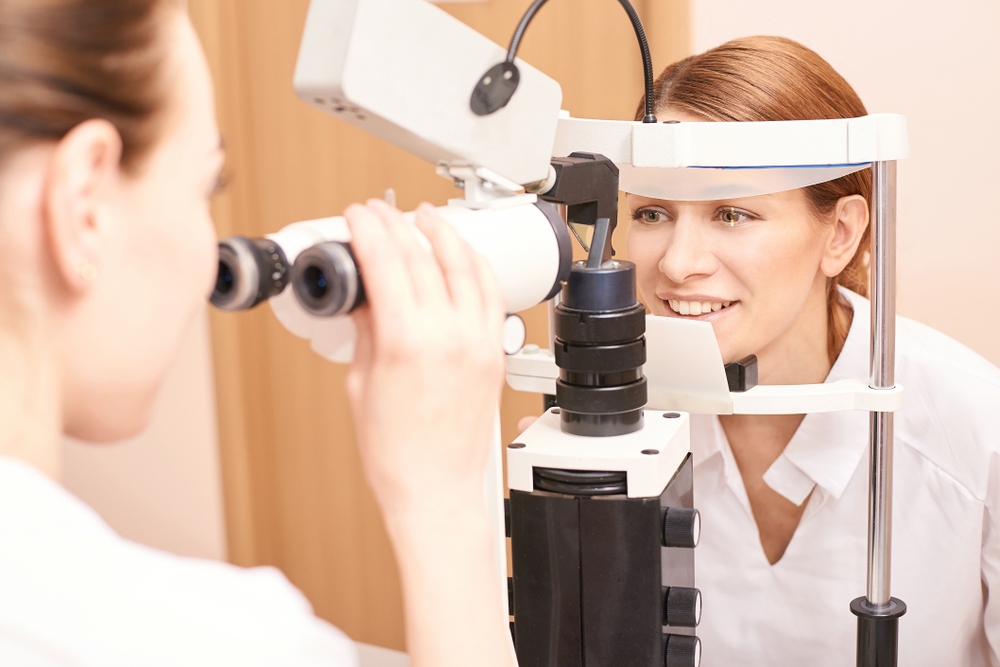
Doctor Eye Screening

6. Get Regular Eyesight Screenings

Everyone should be getting eye screenings on a regular basis. During the screening, your doctor may recommend you schedule an appointment with an ophthalmologist if they believe there is a potential vision or eye problem.

Here are some things you can expect during a comprehensive eye exam:

  • A review of your health and family history of eye diseases, like glaucoma or macular degeneration
  • Vision testing
  • A dilated eye exam to check the retina and optic nerve
  • A refraction test to determine the sharpness of your near and distant vision

Anyone with symptoms or a family history of eye disease, diabetes, or high blood pressure should schedule an appointment with our team of ophthalmologists to determine how frequently their eyes should be examined.

Need an eye screening? Schedule your appointment with Specialty Eye Institute!

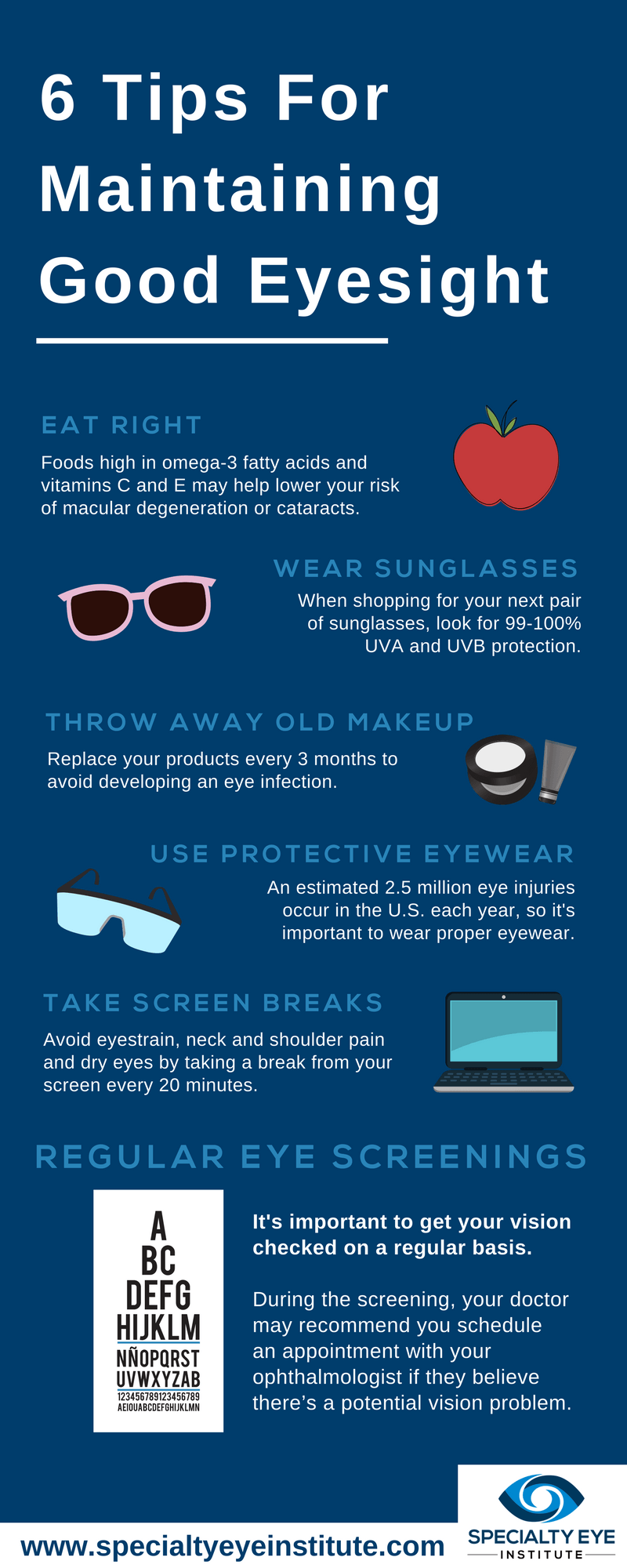
6 Tips for How to Get Better Eyesight Infographic

Filed Under: Blog

Visian ICL: An Alternative to LASIK Surgery

visian iclVisian ICL Vs LASIK Surgery

If you are between the ages of 21 and 45 and are looking to reduce your dependence on glasses or contacts, the Visian ICL may be a great choice for you as an alternative to LASIK surgery.

What is Visian ICL?

Visian ICL (Implantable Collamer Lens) is an alternative to LASIK. It’s a flexible lens placed in the eye to correct vision. If you are comparing the differences between Visian ICL vs LASIK eye surgery, the ICL is positioned in the eye between the iris and the natural lens and reduces the dependence on contacts or glasses. While LASIK is a permanent surgery, the Visian ICL can be removed and/or replaced if necessary.

Who is a Candidate for Visian ICL?

Visian ICL is designed for people who*:

  • Are nearsighted without astigmatism
  • Are between the ages of 21 and 45
  • Who may not be a candidate for LASIK due to dry eyes, severe myopia, or thin corneas
  • Have not had a change in eyeglasses prescription in the last year
  • Are not pregnant

Your eye doctor can advise you in determining if you are a candidate for this alternative to LASIK surgery as well as discuss possible risks involved.

LASIK Eye Surgery Recovery

The Visian ICL Procedure

An ophthalmologist can perform a Visian ICL eye surgery in around 15 minutes and the procedure is performed in an outpatient surgery setting. Once the lens is implanted, sutures are typically not needed. The recovery time is quick and may be as little as a day. Our team of ophthalmologists offers Visian ICL surgery and treatment options to clients. In addition, our staff of doctors offers other types of eye care solutions such as cataract surgery, glaucoma treatments, refractive lens exchange surgery, and LASIK treatments. For more information or to schedule an evaluation, contact our office today! Give our staff of ophthalmologists a call by phone at (877) 852-8463 to discuss the advantages of Visian ICL treatments.

Tips & Insights: What Is ICL Eye Surgery? Benefits & Recovery

Filed Under: Blog

What Is The PanOptix Intraocular Lens (IOLs)?

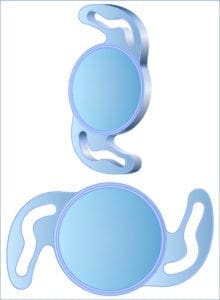
PanOptix Intraocular Lenses

What Is a PanOptix Intraocular Lens (IOL)?

If you’re suffering from cataracts, intraocular lenses (IOLs) can replace your clouded natural eye lenses with new artificial ones. The PanOptix lenses (IOLs) are trifocal and they allow for changes in distance vision just as natural lenses do. You’ll see things far away, mid-range, and up close. Unlike previous IOLs, PanOptix is the first and only FDA-approved trifocal lens. They give you enhanced intermediate-range vision and improved visual acuity.

Other FAQs about IOLs

What is Cataract Surgery?

When your natural eye lenses are too cloudy to see, a cataract procedure can replace them with IOL implants. It helps you get through the day without a visual barrier!

How Long Do IOL Lenses Last?

IOLs are made of biocompatible materials such as acrylic or silicone. This keeps your body from reacting negatively after surgery. They’ll never need replacement because they don’t break down over time.

Which IOL Lens Is Best?

The PanOptix IOL or lens was designed for people who live an active lifestyle. As the first and only FDA-approved trifocal lens, the PanOptix IOL  gives a fuller range of vision that other IOLs can’t match.

Tips & Insights: 4 Top Eye Issues & Ways to Prevent Them

 PanOptix IOL Lenses

What is a Premium IOL?

A standard intraocular lens implant is monofocal: it stays at a fixed distance to see far away. Premium IOL implants, including PanOptix lenses, can do more than single-vision lenses. The PanOptix trifocal design delivers superior visual abilities.

Can IOLs Correct Astigmatism?

Yes! PanOptix IOL implants are available with a toric (astigmatism-correcting) option.

Can IOLs Move?

IOL implants can dislocate during or after surgery. Sometimes, they can even fall into the vitreous cavity. The IOL is normally repositioned or sutured in place, but vitreous surgery may be required to remove it after a fall.

Can IOLs Be Replaced?

IOLs can be replaced if they shift in your eye or if the prescription didn’t match as calculated—but this is rare. It’s not necessary either because they’re built to last a lifetime.

How Do IOLs Stay in Place?

Any intraocular implant placed into your eye stays there because it’s in the eye’s capsular bag. It’s what holds your natural lens too.

Ophthalmologist

PanOptix IOL Lens & Eye Care Solutions Offered by Speciality Eye Institute

When it comes to seeing the world around you in full clarity, don’t let anything hold you back. Book an appointment with the ophthalmologists at Specialty Eye Institute to discuss the advantages of PanOptix lenses (IOLs). This may be your once-in-a-lifetime opportunity to get complete visual acuity. Our team of doctors offers various types of eye care solutions such as LASIK eye surgery, refractive lens exchange treatments, cataract surgery, glaucoma treatments, and diabetic retinopathy eye care options. Want to see over long distances to drive? Or at arm’s length while on your computer? What about up close for reading? Give our team of ophthalmologists a call by phone at (877) 852-8463 to discuss the advantages of investing in PanOptix intraocular lenses (IOLs). See and engage with every part of your life to the fullest when you consult us on your next visit.

Tips & Insights: What Is the Recovery Timeline For LASIK Eye Surgery?

Filed Under: Blog

  • «
  • 1
  • …
  • 4
  • 5
  • 6
  • 7
  • 8
  • …
  • 21
  • »
  • Eye Doctors
  • Specialty Eye Institute Locations
  • News & Events
  • Schedule Appointment
  • Patient Resources

For Patients

  • Schedule Appointment
  • Patient Resources
  • Patient Forms
  • Billing and Insurance Information
  • Financing
  • ACA Non-Discrimination Notice
  • Legal Resources

For Doctors

  • Continuing Education Events
  • Grand Rounds
  • Referring a Patient
  • Clinical Forms

Schedule Your Free Consultation Today

Schedule your LASIK Consultation
reCAPTCHA is required.

By submitting this form, you accept the Mollom privacy policy.


To find an optometrist near you, type your city and state or zip code.

FOR DOCTORS

  • Affiliate Doctors Home Page
  • Announcements
  • Clinical Forms
  • Continuing Education Events
  • Grand Rounds

CONTACT US

Phone Icon to Call Specialty Eye Institute of Michigan and Ohio 877-852-8463

SOCIAL MEDIA

We Are a Proud Partner Of

  • Home
  • About Us
  • Patient Resources
  • News
  • Locations
  • Careers
  • Privacy Policy
Specialty Eye Institute © 2026

Copyright © 2026 · specialtyeyeinstitute on Genesis Framework · WordPress · Log in

Pencil Icon - Cataract Information CATARACT
SELF-TEST
Pencil Icon - Lasik Self-Test LASIK
SELF-TEST
Pencil Icon - Schedule Appointment at SEI SCHEDULE
APPOINTMENT
877-852-8463Newsletter Sign UpLocationsPatient PortalSchedule Appointment
  • About
    • Call Now
    • Testimonials
    • Join Our Team
    • News & Events
    • Back
  • Eye Doctors
    • SEI Doctors
    • Affiliate Doctors Login
    • Back
  • Services
    • Eye Exams
    • Cataract Eye Surgery
      • Laser Cataract Surgery
      • Cataract Surgery Lens Options
      • Cataract FAQ
      • Back
    • LASIK Eye Surgery
      • Take Our LASIK Self-Test
      • LASIK Pricing
      • Affordable Options for LASIK
      • Financing
      • LASIK FAQs
      • Back
    • EVO ICL Eye Surgery
    • Refractive Lens Exchange Surgery
    • Dry Eye Treatment
    • Retinal Detachment Treatments
    • Corneal Transplants
    • Blepharoplasty Treatments
    • Back
  • Vision Conditions
    • Astigmatism
    • Diabetic Retinopathy
    • Diplopia
    • Glaucoma
    • Hyperopia
    • Keratoconus
    • Low Vision
    • Macular Degeneration
    • Macular Edema
    • Macular Holes
    • Myopia
    • Presbyopia
    • Vitreous Detachment
    • Back
  • Resources
    • What to Expect at Your Eye Appointment
    • Patient Forms
    • Video Library
    • Financing
    • Retina Care
      • Eye Anatomy
      • Epiretinal Membrane (Macular Pucker) Treatment & Surgery
      • Free Printable Amsler Grid Test PDF
      • Back
    • Travel Support
    • No Surprises Act: Billing Disclosures
    • Notice of Availability
    • Notice of Nondiscrimination
    • Back
  • Surgery Centers
    • Lansing
    • Jackson
    • Back
  • Contact
    • Call Now
    • Schedule Appointment
    • Back