877-852-8463CareersLocationsPatient PortalRequest Appointment

Specialty Eye Institute

Premier providers of eye surgery and LASIK in Michigan and Northwest Ohio

  • About
    • Call Now
    • Testimonials
    • Join Our Team
    • News & Events
  • Eye Doctors
    • SEI Doctors
    • Affiliate Doctors Login
  • Services
    • Eye Exams
    • Cataract Eye Surgery
      • Laser Cataract Surgery
      • Cataract Surgery Lens Options
      • Cataract FAQ
    • LASIK Eye Surgery
      • Take Our LASIK Self-Test
      • LASIK Pricing
      • Affordable Options for LASIK
      • Financing
      • LASIK FAQs
    • EVO ICL Eye Surgery
    • Refractive Lens Exchange Surgery
    • Dry Eye Treatment
    • Retinal Detachment Treatments
    • Corneal Transplants
    • Blepharoplasty Treatments
  • Vision Conditions
    • Astigmatism
    • Diabetic Retinopathy
    • Diplopia
    • Glaucoma
    • Hyperopia
    • Keratoconus
    • Low Vision
    • Macular Degeneration
    • Macular Edema
    • Macular Holes
    • Myopia
    • Presbyopia
    • Vitreous Detachment
  • Resources
    • What to Expect at Your Eye Appointment
    • Patient Forms
    • Video Library
    • Financing
    • Retina Care
      • Eye Anatomy
      • Epiretinal Membrane (Macular Pucker) Treatment & Surgery
      • Free Printable Amsler Grid Test PDF
    • Travel Support
    • No Surprises Act: Billing Disclosures
    • Notice of Availability
    • Notice of Nondiscrimination
  • Surgery Centers
    • Lansing
    • Jackson
  • Contact
    • Call Now
    • Schedule Appointment

How to Use Your HSA, FSA, & Insurance Benefits On Your Vision

How to Use Your HSA, FSA, & Insurance Benefits On Your Vision

Instead of waiting to improve your health, spend your HSA, FSA, and deductible on correcting your gift of vision and improving your health now. Investing in your health will help improve your life. While a majority of your goals may be related to your diet or exercise, it can be easy to forget how your vision impacts your health and quality of life.

Your eyesight is one of the most important biological assets in your possession, yet this gift is often the last on the list for scheduled maintenance. This is common because many insurance plans do not cover yearly eye exams, preventative diagnostics, and devices like glasses and contact lenses.

What is an HSA?

A Health Savings Account (HSA) is an account that allows you to set aside money without taxation for preventative healthcare costs such as premiums, co-pays, and medical expenses not covered by your regular insurance or prescription plans.

Many patients use their HSA plans to pay for necessary annual preventative care such as dental exams, elective procedures, vision care, and corrective procedures.

What is an FSA?

A Flexible Spending Account (FSA) is an account that you can create for various healthcare-related expenses, including your deductible. This account is non-taxable by the government and depending on your employer, they may match your monthly contribution to your FSA account or offer reimbursement for certain vision expenses associated with this account.

Ophthalmologist

FSA and HSA Compatible Expenses

When considering the best way to spend your end-of-year FSA and HSA balance, instead of paying for expected co-pays and deductibles, consider spending your balance on FSA-approved vision expenses.

1. Eye Exams

Preventative eye exams are the key to diagnosing infections and progressive diseases, such as macular degeneration, which can cause irreversible blindness.

Despite these risks, some insurance plans do not cover annual eye exams. Treat your eyes well this winter and use your FSA and HSA balances to visit your ophthalmologist.

2. Eyeglasses and Contact Lens

Even if your annual eye exam is covered in your insurance plan, necessities like eyeglasses and corrective lenses are often only partially covered.

Correcting your vision is important to daily functions, and these necessary adaptive devices are included in the compatible expenses list for both FSA and HSA accounts.

3. Corrective Eye surgery

While many eye surgeries are classified as elective procedures and not covered under most insurance plans, procedures like eye surgery help many people see clearly and can make lasting improvements to your quality of life.

Rather than spending money on glasses and contact lenses each year, consider a one-time surgery that can correct your vision, so you will never have to purchase corrective devices again.
Ophthalmologist

Your Vision is Important – Don’t Wait

Regardless of your vision needs, if you have money in your FSA or HSA, now is the time to spend it! Invest in your health. Our team of ophthalmologists in Ann Arbor, MI, and other areas offer various types of eye care solutions such as cataract eye surgery, macular degeneration treatments, LASIK eye surgery for hyperopia, retinal detachment surgery, and astigmatism treatments.  Our doctors provide treatments that can help you see better and ensure your eyes are healthy. We put our patients first. So, don’t wait, schedule your appointment today. Your vision may depend on it.


Filed Under: Blog Tagged With: fsa, hsa

Does Glaucoma Cause Blindness? Treatments & Insights

Glaucoma

A common myth is that “My vision is great so my eyes must be healthy.” A variety of eye conditions such as glaucoma can cause blindness if they have not been treated by an ophthalmologist or doctor. Unfortunately, a large number of people lose sight each year of conditions that can be treated or eliminated.

Does Glaucoma Cause Vision Loss?

Glaucoma is referred to as the silent thief because it’s like carbon monoxide. It’s odorless, it’s tasteless and it’s dangerous. With early detection and treatment, the risk of losing sight from glaucoma can be greatly reduced or eliminated. How long does it take for glaucoma to cause blindness? The total amount of time it takes to lose your vision will vary depending on the type of glaucoma you have and other variables.

Classic glaucoma is when the pressure in the eye goes up high and that high pressure damages the optic nerve or the cable that connects the eye to the brain. There are many other types of glaucoma as well, but most patients with glaucoma are treated with drops, although some will even need to go on for laser treatments or surgery. Fortunately, the treatments are improving. Especially our surgical options with a recovery time and the postoperative risk having been greatly reduced.

Glaucoma

Warning Signs Of Glaucoma

The warning signs of glaucoma include blurred vision, damage to peripheral vision, halos around lights, nausea, irritated eyes, and headaches. If you encounter any of the main indicators of glaucoma, we recommend contacting your local ophthalmologist immediately to schedule an eye exam.

The Importance of Eye Exams

Remember, with early detection, we can prevent blindness due to glaucoma. The best prevention method is scheduling your annual eye exam. Our team of glaucoma specialists offers innovative eye care solutions that are designed to maintain and improve your vision. To prevent mild to severe vision loss, our ophthalmologists will perform an eye exam to diagnose an early stage of glaucoma. Next, our doctors will utilize the latest treatments and techniques to prevent damage to your vision. In addition to offering treatments for glaucoma, our team of ophthalmologists offers other types of eye care solutions such as cataract eye surgery, retinal detachment treatments, and LASIK eye surgery. Our doctors will collaborate with you to treat glaucoma and other types of eye conditions.

Filed Under: Blog

Botox Around The Eyes: What To Expect, Benefits, & Results

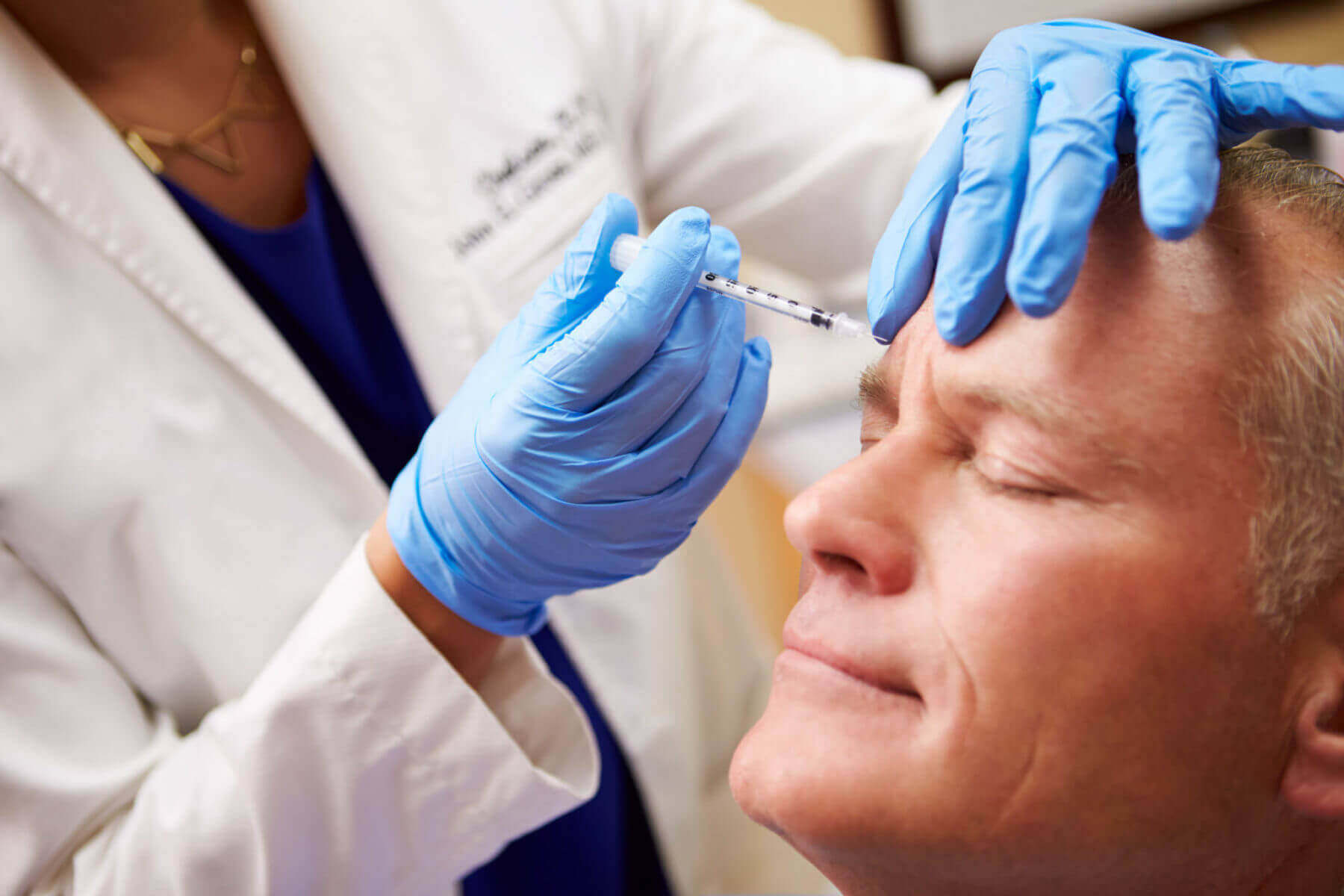
woman getting botox injections in forehead

What is Botox?

While Botox has been used for cosmetic procedures, such as lifting fine lines and wrinkles, its ability to safely paralyze muscles and nerves also has great medical benefits. That’s because it contains a purified neurotoxic protein that stops a certain neurotransmitter, acetylcholine, from leaving your nerve endings. An advantage of receiving Botox injections around the eyes is reconstructing areas you’re unhappy with.

They also aid in the alleviation of symptoms caused by health conditions. These include excessive sweating, uncomfortable neck muscle spasms, and issues around the eyes. To help you decide whether or not Botox treatments are the correct discussion for you, we have created an outline of what to expect, treatments, and results.

Common Botox Treatments Around The Eyes

When it comes to your vision, cosmetic and medical Botox injections can be placed around and under the eyes to treat conditions such as:

• Eye Twitching
• Drooping Eyelids
• Chronic Migraines
• Eye Dryness
• Excessive Tearing

Many plastic surgeons are trained in both medical and cosmetic Botox. This means you don’t necessarily need to find another oculoplastic professional if you’re interested in getting both options! If you are receiving a Botox treatment, you can expect to improve or eliminate issues including frown lines, crows feet, forehead lines, and sagging brows.

How Long Do the Results Of Botox Last Around the Eyes & Other Areas?

Technically speaking, Botox is only a temporary solution. This means you would need to go back into your Botox clinic every so often to get another treatment done and maintain optimal results. Medical and cosmetic Botox treatments are designed to impact the targeted muscles for three months. However, you may be able to visually see the results of Botox treatments for four to six months.

What to Expect From Botox Treatment Around The Eyes

There’s a lot you should take into consideration before typing “Botox near me” into your search engine. You don’t want to randomly pick just any Botox clinic for your procedure! We recommend researching the procedure, preparation, treatment, and recovery beforehand. Read on to find out exactly what to expect from a Botox clinic before deciding to move forward.

man getting botox injections

Before Your Botox Injections

Before getting Botox injections, you’ll need to set up a consultation at an accredited eye clinic in your area, such as Specialty Eye Institute. Here, you can meet with an expert oculoplastic surgeon to share your cosmetic or medical concerns and learn about what customized Botox treatment options are available to you.

At the Botox Clinic

If you haven’t had Botox injections in the past, it’s normal to be nervous going into your first Botox treatment. Rest assured—you’ll be in great hands under the care of a board-certified SEI oculoplastic surgeon.

Following your consultation, your eye doctor will use a thin needle to inject small amounts of Botox into the skin, muscles, and/or nerves around your treatment areas. Because of the tiny needle, Botox quantity, and quality of care at SEI, you shouldn’t expect to feel any pain: only minimal discomfort.

The number of injections you receive will depend on the severity of your eye condition, the type of Botox, the surface area of the treatment location, and other factors.

After Your Botox Treatment

Botox treatment recovery is typically quick, as long as you follow the doctor’s orders. You may notice small red bumps right after you receive your Botox injections. Those tend to fade within the first 20 to 30 minutes following your Botox treatment.

Should you develop a headache after your Botox treatment, consult with your doctor and see if you can take acetaminophen. Try to refrain from taking aspirin or other blood thinners otherwise.

It’s recommended to avoid physical activity for at least four hours. You can wait longer depending on how you’re feeling. Be sure not to rub, massage, or touch your eyes for at least 24 hours so you don’t push the Botox and spread it into other areas. As always, listen to the recommendations provided to you by your doctor for the smoothest recovery.

Botox Treatment Results

The results of Botox treatments will take a small amount of time to become noticeable. You should not expect to see visual improvements right after leaving the clinic. Results can take several days, or weeks, to appear depending on the type of Botox treatment you receive. Remember—you’ll need to adjust your muscles to be more relaxed at the injection site(s) to make the most out of your new look or enjoy your improved eyesight.

When you begin to notice your condition slowly return, usually between three to six months following your Botox treatment, it’s time for a touch-up. Setting up a recurring Botox treatment schedule with SEI makes it simple to keep yourself or your vision in tip-top shape.

How Much Does Botox Cost?

Costs vary from one eye practice, or Botox clinic, to the next. Though for the most part, you can assume that a medical Botox procedure has a higher chance of being covered by your insurance than a cosmetic one.

The cost of Botox itself is priced per unit. The cost of each injection is between $10 to $15. For example, a cosmetic forehead smoothing procedure takes an average of 20 injections. You could pay anywhere from $200 to $300. These injections tend to be more cost-effective than surgery—especially surgery on eye muscles.

Cosmetic and Medical Botox Treatment at SEI

When it comes to your eyes, you don’t want to take a chance on just any local Botox clinic. Our team of doctors offers innovative Botox treatments to clients in your area. In addition, our staff provides innovative blepharoplasty surgery and treatments to accommodate your unique needs. Our team is committed to offering premium eye care services to help you improve or preserve your vision. Our staff of ophthalmologists and doctors offer various types of eye care solutions such as cataract surgery, retinal detachment treatments, LASIK eye surgery, refractive lens exchange treatments, and corneal transplants. Give our doctors a call by phone at (877) 852-8463 or contact our team online to learn more about how our Botox treatments and eye care solutions can improve your vision and life.

Filed Under: Blog Tagged With: botox

What Is ICL Eye Surgery? Advantages & Precautions

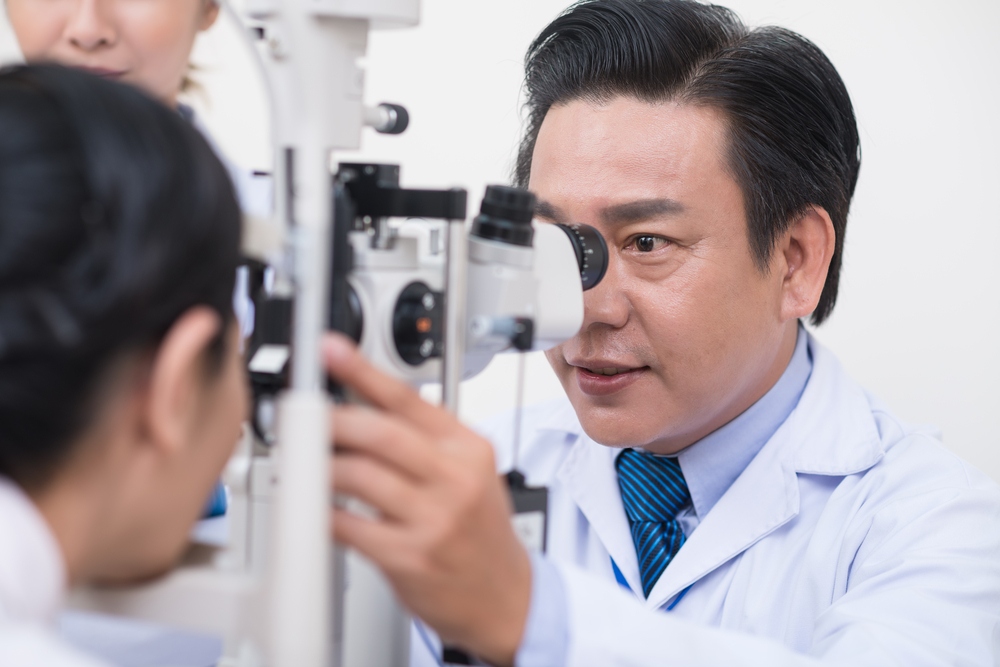
eye doctor examining a patient before icl surgery

Implantable Collamer Lens (ICL) Surgery

If you’re nearsighted or have myopia, you can benefit by having a permanent lens implanted surgically. The lens is implanted in the eye by an ophthalmologist during an implantable Collamer lens (ICL) eye surgery. The lens is designed to correct your vision by adjusting how light comes in through the eye. It’s placed behind the iris, where it works naturally with your body to provide clearer vision in both low light and daylight.

Can Anyone Get ICL Surgery?

Typically, the procedure is used with patients who are between 21 and their mid-50s. If you’re older than 50, you may consider another vision correction procedure, but it will be left to the discretion of your doctor. The EVO Visian ICL and Toric ICL are usually used with patients who have large degrees of nearsightedness.

Some patients opt for LASIK surgery instead, but an ICL eye surgery is ideal for patients who have thin corneas and are not eligible for LASIK surgery.man in need of icl eye surgery

Is An ICL Surgery Risky?

No surgery is without risk. Your doctor can review the risks and complications of ICL implant surgeries with you. You and your doctor can decide if a Visian ICL or Toric ICL is right for your vision correction needs. If you are researching what an ICL surgery is, you will need to be aware that the procedure features minor risks including infections, retinal detachments, intraocular pressure, cataracts, loss of corneal endothelial cells, and inflammation of the eye.

What Are the Side Effects Of ICL Surgery?

After ICL Surgery, most patients do not experience side effects. There may be some temporary blurry vision or light sensitivity, but that is expected and will subside with time. Your Specialty Eye Institute doctor will review the healing process with you when you come in for a consult, and after the surgery is completed.

Does Insurance Pay For ICL Surgery?

Depending on your insurance plan, an ICL implant surgery may be considered an elective surgery. In some cases, insurance may be able to reduce the cost for you. We can help you check your costs with your insurance and may be able to help you finance the cost of the surgery. Talk to our team during your consultation about financing options and costs.

Can It Correct Astigmatism?

While classic ICLs cannot correct astigmatism, the Visian Toric ICL is designed to help those with astigmatism. The process of surgery may reduce it.

The History of the Implantable Collamer Lens

The first recorded uses of implantable lenses date back to World War II, where British air pilots would get plastic bits from airplane canopies stuck in their eyes. Doctors noticed that the body didn’t treat it as a foreign object, and eventually learned that you could place pieces of plastic into the eye to fix vision problems. Of course, today, it’s much more complicated - and safe. The Visian ICL is one of the best new implantable Collamer lens (ICL) implants you can get and can help correct vision issues.

What Will Happen During ICL Surgery?

How Long Does An ICL Surgery Take?

ICL eye surgery only takes about half an hour or less. The patient must stay for a few hours for pre-op and post-op recovery. You will not be able to drive after the procedure, so transportation will need to be arranged beforehand.

Can I Get ICLs in Both Eyes During the Same Procedure?

You can get implants at the same time - your doctor will review your options with you during your consultation. If you need to space out the procedures, most patients will schedule two appointments, one each a few weeks away.

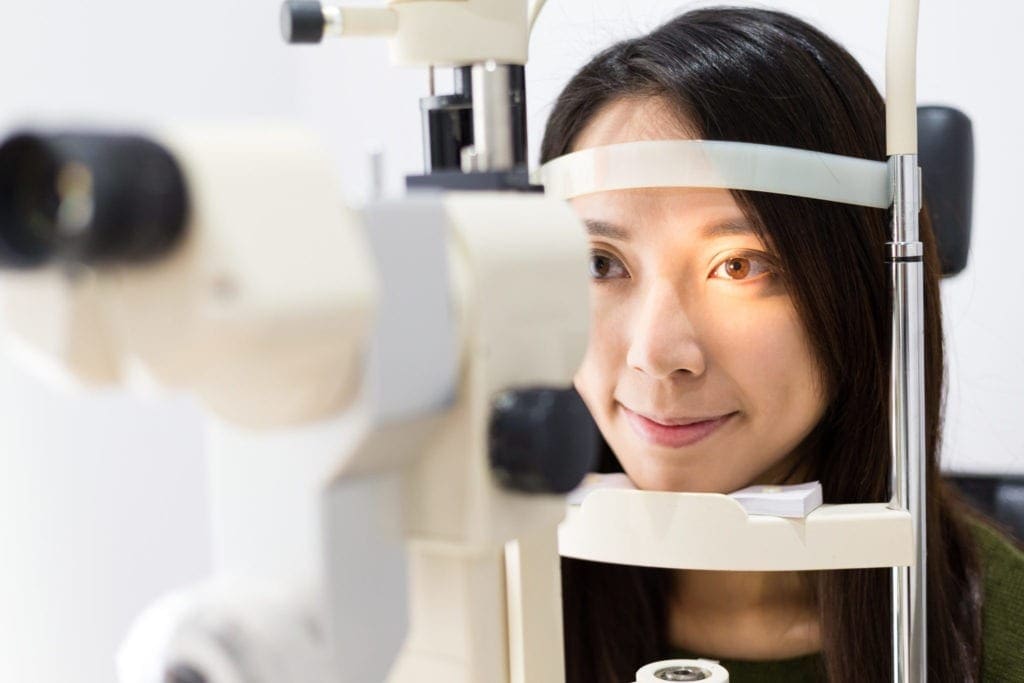
woman being examined for astigmatism

ICL Eye Surgery & Treatments

Post-op care changes from patient to patient, but it’s generally the same process for most. Talk with your doctor about your specific needs after an ICL surgery. If you have questions about what ICL eye surgery is and the benefits of receiving treatment, contact our team of doctors. Our staff of ophthalmologists and doctors offer innovative implantable Collamer lens (ICL) eye surgery to clients. Our staff is dedicated to developing custom eye care solutions that are designed to improve or maintain your vision. In addition, our doctors offer other types of eye care options such as cataract eye surgery, diabetic retinopathy treatments, astigmatism surgery, blepharoplasty treatments, and retinal detachment surgery. Give our doctors a call by phone at (877) 852-8463 to schedule an appointment. Our team will discuss the advantages of receiving an ICL eye surgery or a different type of treatment to enhance your vision.

Filed Under: Blog

Women’s Eye Health: Risks & Vision Care Tips

April is Women’s Eye Health and Safety Month and we’re sharing tips on how to take good care of your eyes and lower your chances of developing these common vision problems that occur in women.

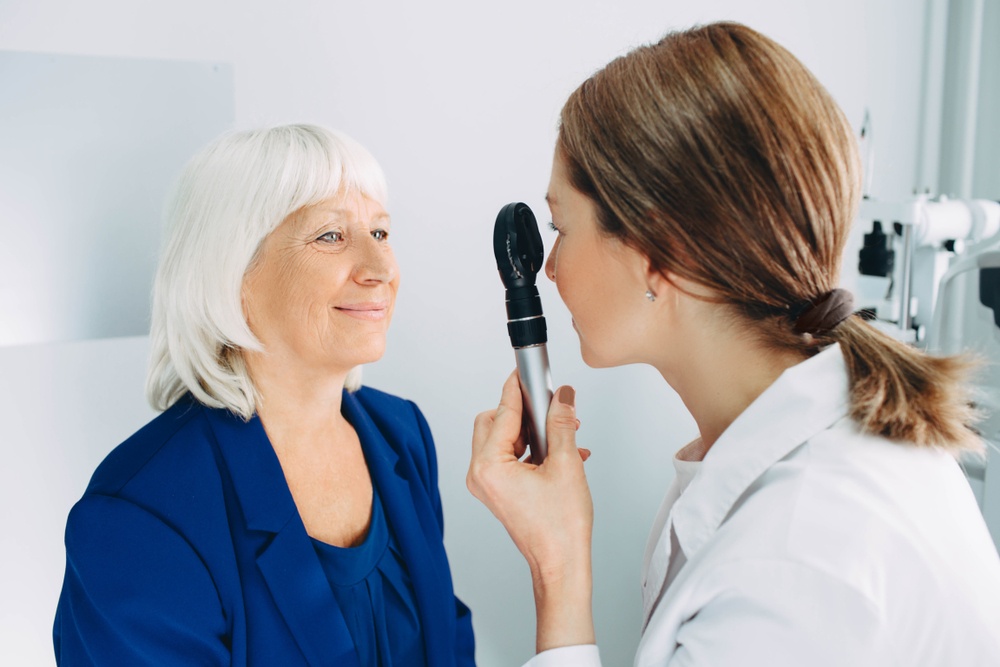
womens eye health

Eye Diseases

Most women understand how crucial it is to visit the doctor regularly. However, many don't realize this means having their eyes checked as well. This is important because women are more likely to encounter the following eye-related diseases and conditions:

The top four eye diseases that can lead to vision impairments include:

  • Macular Degeneration: Because women are living longer than men, they are more susceptible to developing eye diseases, such as age-related macular degeneration.
  • Glaucoma
  • Cataracts
  • Diabetic Retinopathy

Dry Eyes

As women age, specifically around menopause, they can experience hormonal imbalances which may lead to dry eye syndrome. Chronic dry eye is often left untreated in most aging adults, but women are 2-3 times more likely to be affected by it.

Refractive Errors

In addition to the four major eye diseases, women are also more likely to encounter refractive errors such as nearsightedness, farsightedness and astigmatism. Refractive errors can be treated with prescription glasses, contact lenses or LASIK.

Visual Impairments and Blindness

The leading cause of vision impairment and blindness is primarily age-related eye diseases. As of 2012, the number of Americans with age-related eye diseases is expected to double in the next three decades.

Impact of Other Health Conditions

Not only are women at greater risk for many eye diseases, they are also at risk for several health conditions that can affect vision. These include:

  • Diabetes – One in 10 American women over the age of 20 has diabetes. And, women who have experienced gestational diabetes have a 40-60% chance of developing diabetes in the next 5-10 years. (CDC)
  • Autoimmune Diseases, such as Multiple Sclerosis and Sjögren's
    • MS often causes temporary burning in the eyes, and sometimes vision loss
    • Sjögren's dries out the moisture-producing glands in your body
  • Cancer
    • Some cancer treatments can lead to cataracts and dry eyes


Need to schedule your eye exam? Contact your local Specialty Eye Institute office today!

Schedule Appointment

Sources:

https://www.cdc.gov/diabetes/pdfs/data/statistics/national-diabetes-statistics-report.pdf

https://www.vsp.com/women-eye-health.html

Filed Under: Blog

  • «
  • 1
  • …
  • 3
  • 4
  • 5
  • 6
  • 7
  • …
  • 21
  • »
  • Eye Doctors
  • Specialty Eye Institute Locations
  • News & Events
  • Schedule Appointment
  • Patient Resources

For Patients

  • Schedule Appointment
  • Patient Resources
  • Patient Forms
  • Billing and Insurance Information
  • Financing
  • ACA Non-Discrimination Notice
  • Legal Resources

For Doctors

  • Continuing Education Events
  • Grand Rounds
  • Referring a Patient
  • Clinical Forms

Schedule Your Free Consultation Today

Schedule your LASIK Consultation
reCAPTCHA is required.

By submitting this form, you accept the Mollom privacy policy.


To find an optometrist near you, type your city and state or zip code.

FOR DOCTORS

  • Affiliate Doctors Home Page
  • Announcements
  • Clinical Forms
  • Continuing Education Events
  • Grand Rounds

CONTACT US

Phone Icon to Call Specialty Eye Institute of Michigan and Ohio 877-852-8463

SOCIAL MEDIA

We Are a Proud Partner Of

  • Home
  • About Us
  • Patient Resources
  • News
  • Locations
  • Careers
  • Privacy Policy
Specialty Eye Institute © 2026

Copyright © 2026 · specialtyeyeinstitute on Genesis Framework · WordPress · Log in

Pencil Icon - Cataract Information CATARACT
SELF-TEST
Pencil Icon - Lasik Self-Test LASIK
SELF-TEST
Pencil Icon - Schedule Appointment at SEI SCHEDULE
APPOINTMENT
877-852-8463Newsletter Sign UpLocationsPatient PortalSchedule Appointment
  • About
    • Call Now
    • Testimonials
    • Join Our Team
    • News & Events
    • Back
  • Eye Doctors
    • SEI Doctors
    • Affiliate Doctors Login
    • Back
  • Services
    • Eye Exams
    • Cataract Eye Surgery
      • Laser Cataract Surgery
      • Cataract Surgery Lens Options
      • Cataract FAQ
      • Back
    • LASIK Eye Surgery
      • Take Our LASIK Self-Test
      • LASIK Pricing
      • Affordable Options for LASIK
      • Financing
      • LASIK FAQs
      • Back
    • EVO ICL Eye Surgery
    • Refractive Lens Exchange Surgery
    • Dry Eye Treatment
    • Retinal Detachment Treatments
    • Corneal Transplants
    • Blepharoplasty Treatments
    • Back
  • Vision Conditions
    • Astigmatism
    • Diabetic Retinopathy
    • Diplopia
    • Glaucoma
    • Hyperopia
    • Keratoconus
    • Low Vision
    • Macular Degeneration
    • Macular Edema
    • Macular Holes
    • Myopia
    • Presbyopia
    • Vitreous Detachment
    • Back
  • Resources
    • What to Expect at Your Eye Appointment
    • Patient Forms
    • Video Library
    • Financing
    • Retina Care
      • Eye Anatomy
      • Epiretinal Membrane (Macular Pucker) Treatment & Surgery
      • Free Printable Amsler Grid Test PDF
      • Back
    • Travel Support
    • No Surprises Act: Billing Disclosures
    • Notice of Availability
    • Notice of Nondiscrimination
    • Back
  • Surgery Centers
    • Lansing
    • Jackson
    • Back
  • Contact
    • Call Now
    • Schedule Appointment
    • Back