877-852-8463CareersLocationsPatient PortalRequest Appointment

Specialty Eye Institute

Premier providers of eye surgery and LASIK in Michigan and Northwest Ohio

  • About
    • Call Now
    • Testimonials
    • Join Our Team
    • News & Events
  • Eye Doctors
    • SEI Doctors
    • Affiliate Doctors Login
  • Services
    • Eye Exams
    • Cataract Eye Surgery
      • Laser Cataract Surgery
      • Cataract Surgery Lens Options
      • Cataract FAQ
    • LASIK Eye Surgery
      • Take Our LASIK Self-Test
      • LASIK Pricing
      • Affordable Options for LASIK
      • Financing
      • LASIK FAQs
    • EVO ICL Eye Surgery
    • Refractive Lens Exchange Surgery
    • Dry Eye Treatment
    • Retinal Detachment Treatments
    • Corneal Transplants
    • Blepharoplasty Treatments
  • Vision Conditions
    • Astigmatism
    • Diabetic Retinopathy
    • Diplopia
    • Glaucoma
    • Hyperopia
    • Keratoconus
    • Low Vision
    • Macular Degeneration
    • Macular Edema
    • Macular Holes
    • Myopia
    • Presbyopia
    • Vitreous Detachment
  • Resources
    • What to Expect at Your Eye Appointment
    • Patient Forms
    • Video Library
    • Financing
    • Retina Care
      • Eye Anatomy
      • Epiretinal Membrane (Macular Pucker) Treatment & Surgery
      • Free Printable Amsler Grid Test PDF
    • Travel Support
    • Newsletter Sign Up
    • No Surprises Act: Billing Disclosures
    • Notice of Availability
    • Notice of Nondiscrimination
  • Surgery Centers
    • Lansing
    • Jackson
  • Contact
    • Call Now
    • Schedule Appointment

Common Causes of Dry Eye

Common Causes of Dry Eye

Table of Contents

  • What You Should Know About Dry Eye
  • The Most Common Causes of Dry Eye Symptoms
    • Meibomian Gland Dysfunction
    • Medications
    • Autoimmune Conditions
    • Impact of Contact Lenses
    • Hormone Changes
    • Allergies
  • Treatment Options for Dry Eye
    • TearCare at Specialty Eye Institute
    • Artificial Tear Drops
    • Temporal Punctal Occlusion
    • Nondissolving Punctal Plugs and Punctal Occlusion By Cautery
    • Testosterone cream
  • Get Dry Eye Relief From Specialty Eye Institute

Dry eye is an extremely common condition that can cause a lot of discomfort. Dry eye symptoms can be triggered by a huge variety of causes, which is why it’s important to address them with a professional as soon as you first start feeling the symptoms. 

Let’s discuss what dry eye is, what symptoms you need to look for, what causes it, and how it can be treated. 

What You Should Know About Dry Eye

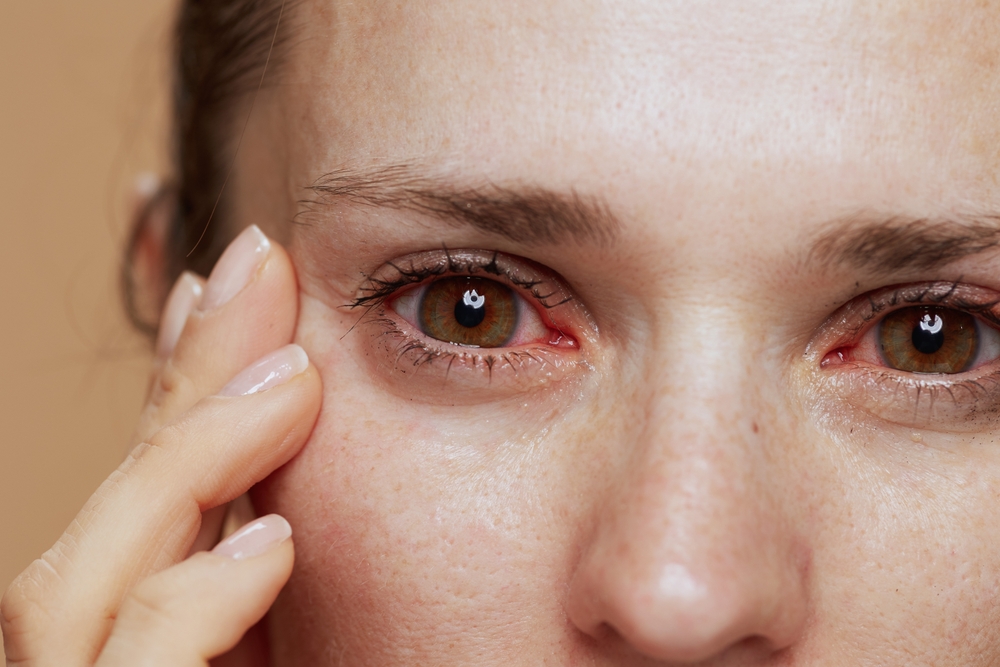
Dry eye is a condition that affects your tear film, which consists of three layers of tears that cover and protect the surface of your eyes. To be able to see clearly and comfortably, you need a stable and smooth tear film. If there are any disruptions in your tear film, it can cause itching, burning, blurred or watering vision. 

These are the symptoms of dry eye to look out for: 

  • Feeling sensitive to light
  • Mucus that comes out of your eye
  • Blurred or changed vision
  • Burning or stinging
  • Watery eyes 

The Most Common Causes of Dry Eye Symptoms

Dry eye can be difficult to find the root cause of because there are so many complex risk factors that can trigger it. It’s essential to see a professional who will be able to assist you in finding the underlying cause, as some of them can be serious and need immediate attention. 

Meibomian Gland Dysfunction

Meibomian gland dysfunction is a group of disorders that are linked by functional abnormalities of the meibomian glands. It can lead to altered tear film composition, ocular surface disease, and evaporative dry eye. 

Medications

There are certain medications that have a side effect of dry eye. 

These include:

  • Tranquilizers
  • Antihistamines
  • Certain Heart Medications
  • Diuretics
  • Birth Control Pills
  • Ulcer Medications

Autoimmune Conditions

Dry eye is often associated with autoimmune conditions. 

You may find yourself with dry eye if you have: 

  • Sjogren’s Disease
  • Rheumatoid Arthritis
  • Lupus
  • Scleroderma
  • Grave’s Disease
  • Diabetes

Impact of Contact Lenses

Wearing contact lenses can dry your eyes out because the thin layer of contact lens material on your cornea limits oxygen flow to the eyes. Without a steady flow of oxygen, it’s more difficult for your eyes to create natural tears. 

Hormone Changes

Hormonal changes can cause dry eye, especially in women after menopause and during pregnancy. The changing levels of estrogen and progesterone can affect the meibomian gland, leading to dryness and irritation. 

Allergies

Dry eye is common with allergies because the allergic reaction causes inflammation in the area of the eye that can reduce tear production. 

Treatment Options for Dry Eye
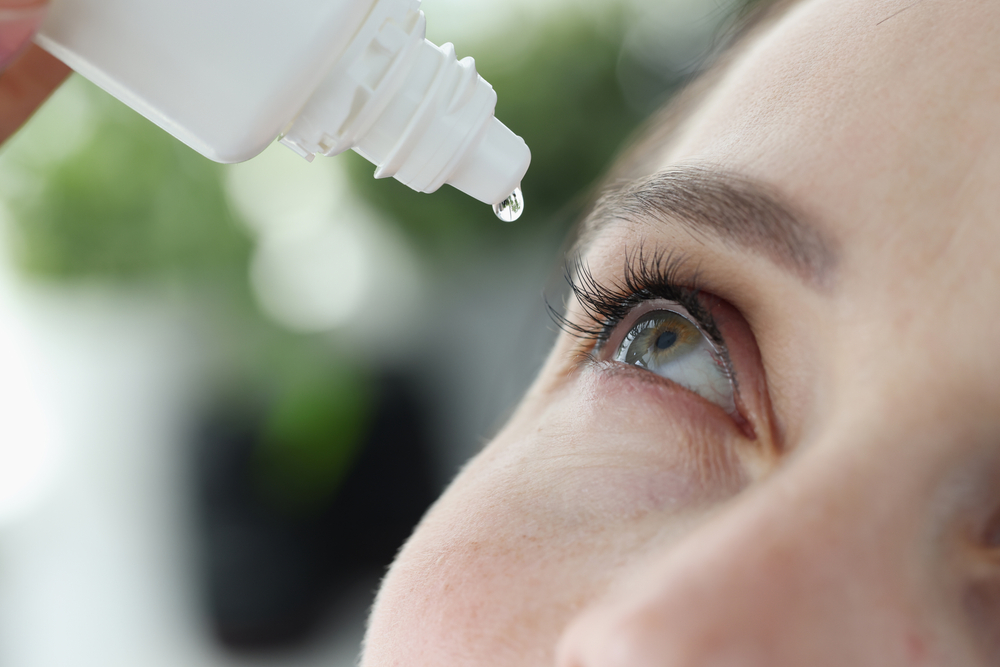
Dry Eye Treatment Options at Specialty Eye Institute

TearCare at Specialty Eye Institute

TearCare is a wearable eyelid technology that offers lasting relief from chronic dry eye caused by Meibomian Gland Dysfunction. 

Your eye doctor will place flexible eyelid devices on the contours of your eyelids, fitting them to the unique shape. Combined with SmartLid technology and eye blinking, the device applies low heat to unclog the meibomian glands and increase your meibum production. This procedure will be repeated each year or biannually until the ideal tear production is achieved. 

This pain-free, open-eye procedure is: 

  • Non-invasive
  • FDA-approved
  • Takes 15 minutes or less

Artificial Tear Drops

Artificial tear drops are the most common type of treatment. You will need to find the right product for you and apply it regularly, even when your eyes feel fine. If your eyes dry out at night, you will want to consider a thicker product, like an ointment. 

Temporal Punctal Occlusion

Temporal punctal occlusion is when your doctor closes the punctum, which is the duct that drains tears from your eye. Typically, they will start with a temporary plug that is designed to dissolve over time to see if a permanent plug is right for you. 

Nondissolving Punctal Plugs and Punctal Occlusion By Cautery

If your temporary plugs help your condition, your doctor may choose to insert a longer-lasting plug or a procedure called cautery. With cautery, a special tool will be used to burn the opening for your duct shut to create a permanent plug through the scar. 

Testosterone cream

Dry eye symptoms can be related to a lack of testosterone in the oil glands on your eyelids. In this case, your doctor may give you testosterone cream to apply to your eyelids to help your oil glands function better. 

Get Dry Eye Relief From Specialty Eye Institute

Are you suffering from dry eye? Don’t hesitate to reach out to our knowledgeable team at Specialty Eye Institute. When it comes to eye health, it’s crucial to find care that you can rely on. We’re here to help, whether you need dry eye treatment, more serious procedures like a corneal transplant, or just a routine eye exam. 

We are utterly dedicated to providing exceptional service and treatment each and every time you visit.  At Specialty Eye Institute, our core values include: 

  • Patient-Centered Advocate
  • Excellence
  • Integrity
  • Compassion

Don’t hesitate with your eye health. Call Us Today or schedule an appointment on our website.

October 26, 2023 Filed Under: Blog Tagged With: dry eyes, eye care, eye health

Does Glaucoma Cause Blindness? Treatments & Insights

Glaucoma

A common myth is that “My vision is great so my eyes must be healthy.” A variety of eye conditions such as glaucoma can cause blindness if they have not been treated by an ophthalmologist or doctor. Unfortunately, a large number of people lose sight each year of conditions that can be treated or eliminated.

Does Glaucoma Cause Vision Loss?

Glaucoma is referred to as the silent thief because it’s like carbon monoxide. It’s odorless, it’s tasteless and it’s dangerous. With early detection and treatment, the risk of losing sight from glaucoma can be greatly reduced or eliminated. How long does it take for glaucoma to cause blindness? The total amount of time it takes to lose your vision will vary depending on the type of glaucoma you have and other variables.

Classic glaucoma is when the pressure in the eye goes up high and that high pressure damages the optic nerve or the cable that connects the eye to the brain. There are many other types of glaucoma as well, but most patients with glaucoma are treated with drops, although some will even need to go on for laser treatments or surgery. Fortunately, the treatments are improving. Especially our surgical options with a recovery time and the postoperative risk having been greatly reduced.

Glaucoma

Warning Signs Of Glaucoma

The warning signs of glaucoma include blurred vision, damage to peripheral vision, halos around lights, nausea, irritated eyes, and headaches. If you encounter any of the main indicators of glaucoma, we recommend contacting your local ophthalmologist immediately to schedule an eye exam.

The Importance of Eye Exams

Remember, with early detection, we can prevent blindness due to glaucoma. The best prevention method is scheduling your annual eye exam. Our team of glaucoma specialists offers innovative eye care solutions that are designed to maintain and improve your vision. To prevent mild to severe vision loss, our ophthalmologists will perform an eye exam to diagnose an early stage of glaucoma. Next, our doctors will utilize the latest treatments and techniques to prevent damage to your vision. In addition to offering treatments for glaucoma, our team of ophthalmologists offers other types of eye care solutions such as cataract eye surgery, retinal detachment treatments, and LASIK eye surgery. Our doctors will collaborate with you to treat glaucoma and other types of eye conditions.

March 9, 2022 Filed Under: Blog

August is Children’s Eye Health and Safety Month

Children’s Eye Health & Safety Month

August is Children’s Eye Health and Safety Month: It’s reported that 1 in 4 children experience vision problems, and 1 in 20 are at risk of losing their eyesight permanently. Here’s a link to the American Optometric Academy’s important vision milestones and signs of eye and vision problems.

Continue to Article

July 27, 2017 Filed Under: Blog

What Causes Computer Vision Syndrome And How Can I Prevent It?

Computer Vision Syndrome Symptoms, Causes, & Treatments

Did you know that frequent computer use can negatively impact your eye health? Excess exposure to digital screens can result in what’s called computer vision syndrome (CVS). To learn more about what CVS is and how to treat it, check out the guide below.

Table of Contents

  • What Is Computer Vision Syndrome?
  • What Causes Computer Vision Syndrome?
  • Why Are Digital Screens Harmful to Your Eyes?
  • What Are Common Symptoms of Computer Vision Syndrome?
    • 1. Blurred Vision
    • 2. Dry Eyes
    • 3. Eye Strain
    • 4. Headaches
    • 5. Neck & Shoulder Pain
  • How Is Computer Vision Syndrome Diagnosed?
  • 5 Ways to Treat & Prevent Computer Vision Syndrome
    • 1. Eyedrops
    • 2. Stay Hydrated
    • 3. Humidity
    • 4. Screen Position
    • 5. Lighting
  • Comprehensive Computer Vision Syndrome Treatment Options at Specialty Eye Institute
      • Book An Appointment With Our Team Of Ophthalmologists & Doctors

What Is Computer Vision Syndrome?

Computer vision syndrome—also called digital eye strain—is a group of vision problems that result from excess digital exposure. This condition is characterized by spending extended periods looking at a screen without blinking, at too close or too far of a distance, and/or too soon before falling asleep. If left untreated, chronic CVS can lead to a permanent loss of visual acuity—which is your eyes’ ability to make out shapes and letters at a given distance.

What Causes Computer Vision Syndrome?

Common digital devices that cause CVS include laptops, computer monitors, tablets, smartphones, and e-readers. Most people with CVS typically don’t experience symptoms until after spending two or more consecutive hours looking at a digital screen.

Here is a list of the most common causes of this vision condition:

  • Poor room lighting
  • Screen glare
  • Improper viewing distance
  • Poor posture
  • Underlying, uncorrected vision or general health issue(s)
  • Lack of blinking

Why Are Digital Screens Harmful to Your Eyes?

According to the American Optometric Association, working American adults average roughly seven hours of daily screen time. Since our eyes aren’t designed to spend so much time looking at digital screens, this prolonged screen time can negatively impact your eyes and, ultimately, your vision.

A leading reason why digital screens are harmful to our eyes is that words on a screen are more difficult to read than printed words. Our eyes must work harder to make out the letters, which increases eye strain. 

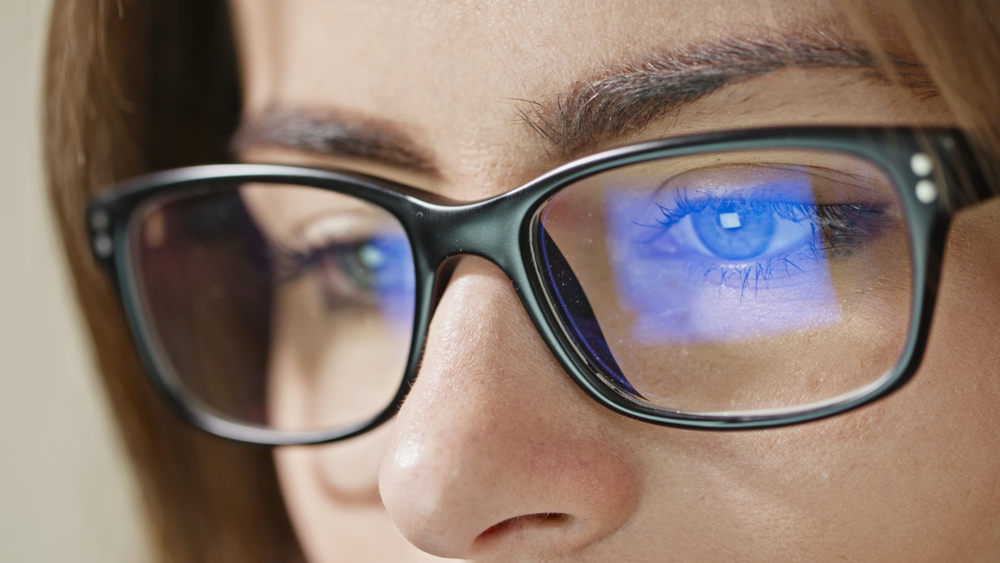
Screen time—whether it’s on a computer, a mobile phone, or a TV—also exposes our eyes to blue light. This high-energy light that digital devices emit not only interferes with our ability to fall and stay asleep but has been linked to eye strain, blurry vision, dry eye, and other vision conditions. These underlying eye conditions increase your risk of developing CVS.

Computer Vision Syndrome

What Are Common Symptoms of Computer Vision Syndrome?

If you have CVS, you may experience one or more of the following symptoms—most of which are temporary. The greater your screen time, the worse your symptoms are likely to be.

1. Blurred Vision

As discussed previously, letters on a digital screen are more difficult to make out than letters printed on a page. This forces your eyes to work harder to make out words, which can cause vision to blur.

2. Dry Eyes

People with CVS often suffer from chronic dry eye. That’s because staring at a screen for hours on end without taking breaks and without blinking enough causes the eyes to lose their natural moisture. Learn more about dry eye treatment from Specialty Eye Institute.

3. Eye Strain

The leading symptom of excess screen exposure is eye strain.

4. Headaches

Eye strain caused by excess screen exposure may cause mild to severe headaches.

5. Neck & Shoulder Pain

Angling your head downward to read a computer screen and practicing poor posture can lead to an array of physical discomfort.

How Is Computer Vision Syndrome Diagnosed?

Any case of CVS must be diagnosed before treatment can begin. The go-to method for diagnosing CVS is a comprehensive eye exam. Here’s what you can expect from a comprehensive eye exam at Specialty Eye Institute.

  1. Your doctor will review your patient history, including medications taken, any underlying health issues, and the average amount of time spent on digital devices
  2. Your doctor will perform a series of tests to measure your visual acuity

Learn More About Comprehensive Eye Exams From Specialty Eye Institute

Computer Vision Syndrome Diagnosis

5 Ways to Treat & Prevent Computer Vision Syndrome

While visual exposure to digital devices can’t be prevented entirely, it can be reduced and treated with the following methods.

1. Eyedrops

Over-the-counter eye drops keep the eyes moist and prevent dry eye, which makes CVS more likely to develop.

2. Stay Hydrated

Drink plenty of water throughout the day, and blink often to help your eyes retain their natural moisture.

3. Humidity

Adding a humidifier to your workspace increases the air’s moisture level, which can reduce dry eye symptoms that lead to CVS.

4. Screen Position

While reducing screen time is the goal, modifying your computer use can help prevent or reduce CVS symptoms. Here are some habits to incorporate into your daily routine.

  1. Keep your monitor at eye level and at a safe distance from your eyes.
  2. Practice the 20-20-20 rule: After working on a digital device for 20 minutes, look at an object 20 feet away for 20 seconds. This gives your eyes time to rest and readjust.

5. Lighting

A room that’s too dark can force your eyes to work harder than they should, while a  room that’s too bright can overstimulate your eyes. Be sure to invest in an anti-glare computer screen to keep light reflection at bay.

Comprehensive Computer Vision Syndrome Treatment Options at Specialty Eye Institute

From dry eye treatment to routine eye exams, Specialty Eye Institute is the name you can trust to provide the comprehensive eye care services you need. Click the button below to Schedule Appointment with the #1 eye care providers in Ohio and Michigan.

Book An Appointment With Our Team Of Ophthalmologists & Doctors

Give Us A Call
Schedule Appointment

April 13, 2023 Filed Under: Blog

What’s the Difference Between An Optometrist vs. Ophthalmologist?

Optometrist vs Ophthalmologist

Understanding the roles of different professionals is crucial for ensuring the best possible treatment and care for your eyes. While both optometrists and ophthalmologists play integral roles in maintaining eye health, their training, qualifications, and the services they provide differ significantly. Whether it’s routine check-ups, managing eye diseases, or undergoing eye surgery, knowing the difference between an optometrist vs an ophthalmologist is essential for making informed decisions about your eye health.

What is an Optometrist?

An optometrist is an eye care professional who takes care of the primary care of your eyes. They examine, diagnose, and treat eye diseases and disorders. 

Education and Qualifications

Optometrists require an extensive amount of education to be in their positions. They need to graduate college and follow it up with four years of optometry school which allows them to receive a doctor of optometry degree. 

Optometry school includes both coursework and clinical rotations. During their training, the students learn how to perform eye exams, as well as diagnose and treat ocular conditions. After their doctorate, optometrists can choose to start practicing right away or continue their education with a fellowship or residency. 

Services Provided by Optometrists

Optometrists work in primary care for their patients’ eyes. 

Some of their duties include: 

  • Performing vision tests and eye exams
  • Detecting certain eye abnormalities
  • Diagnosing, managing, and treating specific eye diseases
  • Prescribing and fitting eyeglasses and contact lenses
  • Evaluating and monitoring secondary eye conditions associated with certain diseases

What services an optometrist can provide varies based on state laws. Each state has a scope of practice for optometrists, which decides what medications they’re permitted to prescribe and what procedures they’re allowed to perform. 

When To See an Optometrist

You should see an optometrist for annual eye exams, as well as if you are experiencing any abnormalities in your eyes or vision. They can diagnose, treat, and manage most eye-related conditions. If the issue involves more testing or surgery, you will be referred to a specialist. 

What is an Ophthalmologist?

An ophthalmologist is an eye doctor who has advanced training with either a doctor of medicine or a doctor of osteopathic medicine degree. They can diagnose and treat a wide variety of eye conditions and can specialize in specific areas of eye health. 

Education and Qualifications

Ophthalmologists require even more thorough education and training than optometrists. They have to complete pre-medical school prerequisites during college and then take four years of medical school with a rotation in ophthalmology. 

Once they graduate medical school, they will need to participate in a residency program for three to four years in their specialized area of ophthalmology. Subspecialties can require an additional one to two years of fellowship training after residency. 

All ophthalmologists have to be licensed by the state where they work in order to practice medicine. 

Services Provided by Ophthalmologists

Services provided by optometrists and ophthalmologists have some overlap, but ophthalmologists are permitted to offer more advanced services and treatments.  

  • Prescribing corrective lenses
  • Performing routine medical eye exams
  • Diagnosing, treating, and managing ocular conditions with both surgery and medicine
  • Performing intraocular injections for macular degeneration, diabetes, and other vascular diseases
  • Performing surgeries such as LASIK, glaucoma surgery, cataract surgery, and retinal detachment repair
  • Pre- and post-surgical management

Specializations and Subspecialties

Ophthalmologists can specialize in a variety of areas, including:  

General Ophthalmology

General ophthalmologists perform comprehensive eye examinations and surgical evaluations. They provide a broad spectrum of eye care, from prescribing eyeglasses and contact lenses to diagnosing and treating complex eye diseases. 

Pediatric Ophthalmology

A pediatric ophthalmologist specializes in children’s eye care. They can diagnose, treat, and manage all children’s eye problems. They provide comprehensive eye exams designed for children of different ages to ensure that their vision is where it should be. 

Oculoplastics

Oculoplastics is an area that ophthalmologists can specialize in that involves plastic and reconstructive surgery around the eyelids, eyebrows, forehead, cheeks, orbit, and lacrimal system. 

Neuro-Ophthalmology

Neuroophthalmologists specialize in visual problems that are related to the nervous system. These problems could be a result of an injury to the brain or optic nerves, or from a disease or condition that affects the brain or optic nerves. 

Retina Specialists

A retina specialist is an ophthalmologist who subspecializes in disease and surgery related to the vitreous and retina in both adults and children. They can perform eye surgery, treat eye cancer and other diseases, and care for people with severe injuries. 

Refractive Surgery

Refractive surgery is an area that ophthalmologists can specialize in that involves correcting refractive errors like nearsightedness, farsightedness, astigmatism, or presbyopia through surgery. This type of surgery involves implanting an intraocular lens into the eye in addition to or instead of the natural lens. 

When To See an Ophthalmologist

You would generally schedule an appointment with an ophthalmologist when you have an eye problem that requires a specialist. In most cases, your optometrist will refer you to an ophthalmologist if it’s necessary. 

This may happen if your condition: 

  • Needs further testing
  • Is more advanced
  • Requires specialized treatment
  • Requires surgery

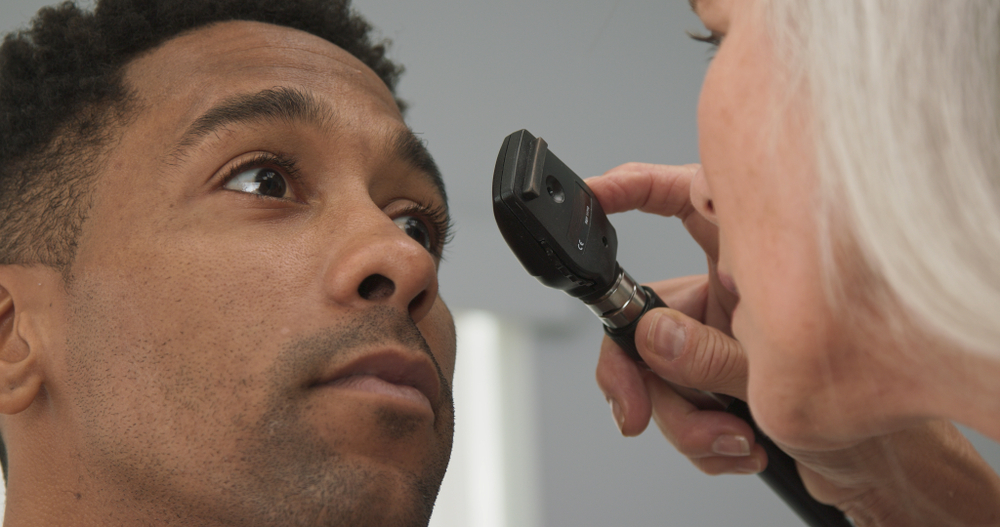
Ophthalmologist performing an exam

Key Differences Between Optometrists and Ophthalmologists

While optometrists and ophthalmologists work in the same field, there are some very important differences between them. 

Optometrists

  • Doctor of Optometry degree
  • Around eight years of training
  • Can diagnose and treat most common eye problems
  • Seen for routine eye care and vision correction

Ophthalmologist

  • Doctor of Medicine degree
  • Around 12 years of training
  • Can diagnose and treat more severe and advanced eye problems
  • Usually seen for eye surgeries and specialty care

The Role of Opticians in Eye Care

An optician is a technician who fills prescriptions for eyewear and fits patients with the corrective lenses that they need for their specific vision issues. 

Opticians provide the following services: 

  • Filling prescriptions from the eye doctor
  • Adjusting and repairing eyewear frames
  • Fitting corrective lenses by taking measurements

Opticians need to become certified with one to two years of training. This can be from a certification program, an associate’s degree, or an apprenticeship with an eye doctor. 

Which Eye Care Professional Should You See?

Which eye care professional you should see depends heavily on your needs. If you’re looking for primary care for your eyes, you will want to start with an optometrist, who will refer you to an ophthalmologist if it’s necessary. 

If you need surgery for glaucoma, cataracts, or other eye diseases, an ophthalmologist who specializes in the area will be the best choice. 

Schedule Your Eye Check-Up Today!

Don’t skip out on your annual eye exam. They’re essential to keeping your eyes and vision in peak condition, as well as detecting any issues early so that they can be treated immediately. 

We are committed to providing excellent service and treatment every time you visit.  At Specialty Eye Institute, our core values include: 

  • Excellence
  • Patient-Centered Advocate
  • Compassion
  • Integrity

Call Us Today or schedule an appointment on our website.

November 29, 2023 Filed Under: Blog

  • «
  • 1
  • …
  • 18
  • 19
  • 20
  • 21
  • »
  • Eye Doctors
  • Specialty Eye Institute Locations
  • Careers
  • News & Events
  • Schedule Appointment
  • Patient Resources
  • Contact Us

For Patients

  • Schedule Appointment
  • Patient Resources
  • Patient Forms
  • Billing and Insurance Information
  • Financing
  • ACA Non-Discrimination Notice
  • Legal Resources

For Doctors

  • Continuing Education Events
  • Grand Rounds
  • Referring a Patient
  • Clinical Forms

Make an Appointment

  • MM slash DD slash YYYY

Schedule Your Free Consultation Today

Schedule your LASIK Consultation
reCAPTCHA is required.

By submitting this form, you accept the Mollom privacy policy.


To find an optometrist near you, type your city and state or zip code.

FOR DOCTORS

  • Affiliate Doctors Home Page
  • Announcements
  • Order Supplies
  • Clinical Forms
  • Continuing Education Events
  • Grand Rounds
  • Logout

CONTACT US

Phone Icon to Call Specialty Eye Institute of Michigan and Ohio 877-852-8463

SOCIAL MEDIA

SIGN UP NEWSLETTER

We Are a Proud Partner Of

  • Home
  • About Us
  • Patient Resources
  • News
  • Locations
  • Careers
  • Privacy Policy
Specialty Eye Institute © 2026
Digital Marketing by Youtech. 8778528463

Copyright © 2026 · specialtyeyeinstitute on Genesis Framework · WordPress · Log in

Pencil Icon - Cataract Information CATARACT
SELF-TEST
Pencil Icon - Lasik Self-Test LASIK
SELF-TEST
Pencil Icon - Schedule Appointment at SEI SCHEDULE
APPOINTMENT
877-852-8463Newsletter Sign UpLocationsPatient PortalSchedule Appointment
  • About
    • Call Now
    • Testimonials
    • Join Our Team
    • News & Events
    • Back
  • Eye Doctors
    • SEI Doctors
    • Affiliate Doctors Login
    • Back
  • Services
    • Eye Exams
    • Cataract Eye Surgery
      • Laser Cataract Surgery
      • Cataract Surgery Lens Options
      • Cataract FAQ
      • Back
    • LASIK Eye Surgery
      • Take Our LASIK Self-Test
      • LASIK Pricing
      • Affordable Options for LASIK
      • Financing
      • LASIK FAQs
      • Back
    • EVO ICL Eye Surgery
    • Refractive Lens Exchange Surgery
    • Dry Eye Treatment
    • Retinal Detachment Treatments
    • Corneal Transplants
    • Blepharoplasty Treatments
    • Back
  • Vision Conditions
    • Astigmatism
    • Diabetic Retinopathy
    • Diplopia
    • Glaucoma
    • Hyperopia
    • Keratoconus
    • Low Vision
    • Macular Degeneration
    • Macular Edema
    • Macular Holes
    • Myopia
    • Presbyopia
    • Vitreous Detachment
    • Back
  • Resources
    • What to Expect at Your Eye Appointment
    • Patient Forms
    • Video Library
    • Financing
    • Retina Care
      • Eye Anatomy
      • Epiretinal Membrane (Macular Pucker) Treatment & Surgery
      • Free Printable Amsler Grid Test PDF
      • Back
    • Travel Support
    • Newsletter Sign Up
    • No Surprises Act: Billing Disclosures
    • Notice of Availability
    • Notice of Nondiscrimination
    • Back
  • Surgery Centers
    • Lansing
    • Jackson
    • Back
  • Contact
    • Call Now
    • Schedule Appointment
    • Back