877-852-8463CareersLocationsPatient PortalRequest Appointment

Specialty Eye Institute

Premier providers of eye surgery and LASIK in Michigan and Northwest Ohio

  • About
    • Call Now
    • Testimonials
    • Join Our Team
    • News & Events
  • Eye Doctors
    • SEI Doctors
    • Affiliate Doctors Login
  • Services
    • Eye Exams
    • Cataract Eye Surgery
      • Laser Cataract Surgery
      • Cataract Surgery Lens Options
      • Cataract FAQ
    • LASIK Eye Surgery
      • Take Our LASIK Self-Test
      • LASIK Pricing
      • Affordable Options for LASIK
      • Financing
      • LASIK FAQs
    • EVO ICL Eye Surgery
    • Refractive Lens Exchange Surgery
    • Dry Eye Treatment
    • Retinal Detachment Treatments
    • Corneal Transplants
    • Blepharoplasty Treatments
  • Vision Conditions
    • Astigmatism
    • Diabetic Retinopathy
    • Diplopia
    • Glaucoma
    • Hyperopia
    • Keratoconus
    • Low Vision
    • Macular Degeneration
    • Macular Edema
    • Macular Holes
    • Myopia
    • Presbyopia
    • Vitreous Detachment
  • Resources
    • What to Expect at Your Eye Appointment
    • Patient Forms
    • Video Library
    • Financing
    • Retina Care
      • Eye Anatomy
      • Epiretinal Membrane (Macular Pucker) Treatment & Surgery
      • Free Printable Amsler Grid Test PDF
    • Travel Support
    • Newsletter Sign Up
    • No Surprises Act: Billing Disclosures
    • Notice of Availability
    • Notice of Nondiscrimination
  • Surgery Centers
    • Lansing
    • Jackson
  • Contact
    • Call Now
    • Schedule Appointment

Visian ICL: An Alternative to LASIK Surgery

visian iclVisian ICL Vs LASIK Surgery

If you are between the ages of 21 and 45 and are looking to reduce your dependence on glasses or contacts, the Visian ICL may be a great choice for you as an alternative to LASIK surgery.

What is Visian ICL?

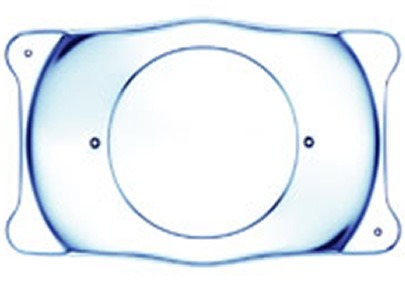
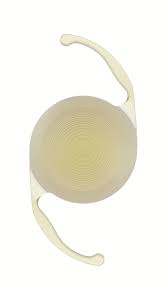
Visian ICL (Implantable Collamer Lens) is an alternative to LASIK. It’s a flexible lens placed in the eye to correct vision. If you are comparing the differences between Visian ICL vs LASIK eye surgery, the ICL is positioned in the eye between the iris and the natural lens and reduces the dependence on contacts or glasses. While LASIK is a permanent surgery, the Visian ICL can be removed and/or replaced if necessary.

Who is a Candidate for Visian ICL?

Visian ICL is designed for people who*:

  • Are nearsighted without astigmatism
  • Are between the ages of 21 and 45
  • Who may not be a candidate for LASIK due to dry eyes, severe myopia, or thin corneas
  • Have not had a change in eyeglasses prescription in the last year
  • Are not pregnant

Your eye doctor can advise you in determining if you are a candidate for this alternative to LASIK surgery as well as discuss possible risks involved.

LASIK Eye Surgery Recovery

The Visian ICL Procedure

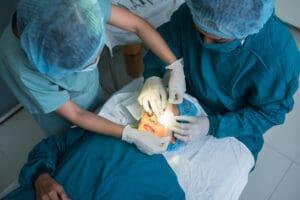
An ophthalmologist can perform a Visian ICL eye surgery in around 15 minutes and the procedure is performed in an outpatient surgery setting. Once the lens is implanted, sutures are typically not needed. The recovery time is quick and may be as little as a day. Our team of ophthalmologists offers Visian ICL surgery and treatment options to clients. In addition, our staff of doctors offers other types of eye care solutions such as cataract surgery, glaucoma treatments, refractive lens exchange surgery, and LASIK treatments. For more information or to schedule an evaluation, contact our office today! Give our staff of ophthalmologists a call by phone at (877) 852-8463 to discuss the advantages of Visian ICL treatments.

Tips & Insights: What Is ICL Eye Surgery? Benefits & Recovery

September 3, 2021 Filed Under: Blog

What Is The PanOptix Intraocular Lens (IOLs)?

PanOptix Intraocular Lenses

What Is a PanOptix Intraocular Lens (IOL)?

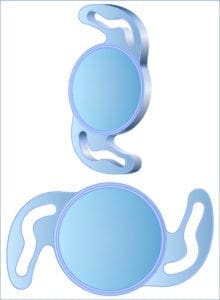
If you’re suffering from cataracts, intraocular lenses (IOLs) can replace your clouded natural eye lenses with new artificial ones. The PanOptix lenses (IOLs) are trifocal and they allow for changes in distance vision just as natural lenses do. You’ll see things far away, mid-range, and up close. Unlike previous IOLs, PanOptix is the first and only FDA-approved trifocal lens. They give you enhanced intermediate-range vision and improved visual acuity.

Other FAQs about IOLs

What is Cataract Surgery?

When your natural eye lenses are too cloudy to see, a cataract procedure can replace them with IOL implants. It helps you get through the day without a visual barrier!

How Long Do IOL Lenses Last?

IOLs are made of biocompatible materials such as acrylic or silicone. This keeps your body from reacting negatively after surgery. They’ll never need replacement because they don’t break down over time.

Which IOL Lens Is Best?

The PanOptix IOL or lens was designed for people who live an active lifestyle. As the first and only FDA-approved trifocal lens, the PanOptix IOL  gives a fuller range of vision that other IOLs can’t match.

Tips & Insights: 4 Top Eye Issues & Ways to Prevent Them

 PanOptix IOL Lenses

What is a Premium IOL?

A standard intraocular lens implant is monofocal: it stays at a fixed distance to see far away. Premium IOL implants, including PanOptix lenses, can do more than single-vision lenses. The PanOptix trifocal design delivers superior visual abilities.

Can IOLs Correct Astigmatism?

Yes! PanOptix IOL implants are available with a toric (astigmatism-correcting) option.

Can IOLs Move?

IOL implants can dislocate during or after surgery. Sometimes, they can even fall into the vitreous cavity. The IOL is normally repositioned or sutured in place, but vitreous surgery may be required to remove it after a fall.

Can IOLs Be Replaced?

IOLs can be replaced if they shift in your eye or if the prescription didn’t match as calculated—but this is rare. It’s not necessary either because they’re built to last a lifetime.

How Do IOLs Stay in Place?

Any intraocular implant placed into your eye stays there because it’s in the eye’s capsular bag. It’s what holds your natural lens too.

Ophthalmologist

PanOptix IOL Lens & Eye Care Solutions Offered by Speciality Eye Institute

When it comes to seeing the world around you in full clarity, don’t let anything hold you back. Book an appointment with the ophthalmologists at Specialty Eye Institute to discuss the advantages of PanOptix lenses (IOLs). This may be your once-in-a-lifetime opportunity to get complete visual acuity. Our team of doctors offers various types of eye care solutions such as LASIK eye surgery, refractive lens exchange treatments, cataract surgery, glaucoma treatments, and diabetic retinopathy eye care options. Want to see over long distances to drive? Or at arm’s length while on your computer? What about up close for reading? Give our team of ophthalmologists a call by phone at (877) 852-8463 to discuss the advantages of investing in PanOptix intraocular lenses (IOLs). See and engage with every part of your life to the fullest when you consult us on your next visit.

Tips & Insights: What Is the Recovery Timeline For LASIK Eye Surgery?

August 19, 2021 Filed Under: Blog

Implantable Contact Lenses: Everything You Should Know

LASIK has become an extremely popular vision corrective surgery for those who want to drastically improve their vision. This is for good reason, too. However, there are other alternatives that are just as effective and can be a better option if you’re not eligible for LASIK. 

Let’s discuss what an implantable contact lens is, the different types, their benefits and disadvantages, the differences between ICL and LASIK, and the costs involved. 

What Are Permanent Contact Lenses?

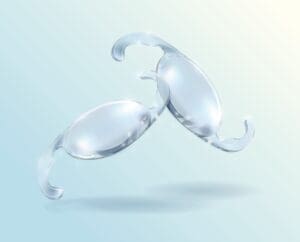
An implantable contact lens, or ICL, is a contact lens alternative used for correcting vision. However, unlike traditional contact lenses, they are positioned so that they remain in the eye for a much longer time. Implantable contact lenses are surgically placed inside the eyes, between the iris and the natural lens, giving you permanent contacts. 

ICL is made from Collmar, which is a biocompatible material that’s a combination of collagen and polymer. Because of this, they don’t cause any side effects or discomfort. 

icl lens

Types of Implantable Contact Lenses

ICL Soft Lens

A soft lens is made from a polymeric material that bends easily, making it soft. The design is similar to the collagen found in your cornea, so there is less of a risk of an adverse reaction. 

During a soft lens implantation procedure, your surgeon will cut a tiny incision in your cornea and place the ICL inside your eye, between your iris and lens. There are no stitches required. 

Intraocular Lens

This type of ICL surgery is designed specifically for patients who can’t have LASIK surgery due to their severe nearsightedness. For this type of implant, your surgeon will place the lens between the cornea and iris so that your eyes can focus more clearly. Surgeons will then use tiny stitches to close the incision so that the lens stays in place. 

The Procedure of Implanting Contact Lenses

An ICL surgery is a safe, effective, and fast procedure that permanently corrects your vision. This surgery involves placing a lens between a person’s iris and lens without damaging the corneal tissue. Your natural lens will stay intact. 

The procedure only takes around 15 minutes and has a quick healing time. Many patients go back to normal activities the very next day after their surgery. 

Benefits of Permanent Contact Lenses

There are a myriad of benefits that come with permanent contact lenses. 

  • ICLs are a good choice for people who are not good candidates for LASIK or PRK
  • ICLs can help correct nearsightedness and astigmatism, with advances being made to address other vision conditions
  • ICLs can be used when people have irregular corneas, dry eyes, or vision prescriptions that exceed the acceptable range for LASIK or PRK
  • ICLs are maintenance-free since they’re implanted in the eye
  • There are no added expenses for contact lens cleaners, replacement lens costs, or storage containers
  • The procedure is both minimally invasive and fast
  • ICLs last a long time and allow people to see clearly for years
  • Compared to LASIK or PRK, ICLs generally result in high-definition vision
  • If you don’t like the results, the procedure is completely reversible

nurses putting a bandage over a patient's eye after icl surgery

Potential Risks and Considerations

While the procedure is very safe, surgery always comes with some amount of risk. 

For ICL surgery, they include:

  • Changes in Vision: Patients may have double vision, see halos, experience glare, or struggle to see clearly in low light. 
  • Vision Loss: It’s possible that your vision could get worse following an ICL Surgery. Implanting lenses may not be successful or could damage your eyesight more. 
  • Additional Surgery: If the first ICL surgery isn’t successful, there may be a need for another. If the lens moves out of place or is off-center, the surgeon will need to cut your eye again to replace or adjust the lens. 
  • Results Aren’t Guaranteed: It’s not always the case that perfect 20/20 vision is achieved with the procedure. You may still be required to wear reading glasses after to achieve the vision you want. 
  • Pressure: After your surgery, it may feel like there’s pressure in or behind your eyes. You can be prescribed medication to treat this symptom, but there’s always the possibility that too much pressure can damage your vision permanently. 
  • Detached Retina: Eye surgery may cause retinal detachment. If that occurs, the tissue on the back of your eye that senses light is no longer connected to your eye. 
  • Infection: If your eyes hurt after your procedure, it could be a sign of infection. Some amount of discomfort is common, but most patients have a fast recovery. If lingering pain, redness, swelling, or inflammation occurs, you should contact your doctor. 

Cost and Insurance Coverage

The average cost of this procedure can range from $1,200 to $5,000, depending on a variety of factors. Unfortunately,  ICL is considered to be a cosmetic procedure, so it’s most likely that it will not be included in your insurance.

At Specialty Eye Institute, we are proud to offer Alphaeon financing. With it, you can begin your procedure immediately with a flexible financing plan to help you pay. You will be able to make low monthly payments that fit into your budget. 

Recovery and Post-Procedure Carepatient recovering from icl eye surgery

Recovery from ICL surgery is fairly quick. Within the first day, 70% to 80% of patients have restored their vision and can even be cleared for driving. The vision continues to mature and sharpen gradually over time. Within three to four weeks, the results of the surgery should be fully achieved. 

Despite the quick recovery, you should still take it easy for the first 24 hours. Your doctor will give you instructions regarding taking prescribed eye drops and using an eye shield when you shower.

You should avoid rubbing your eyes or putting cream or eye makeup on them for the first two weeks. Exercising and swimming should also be avoided for the first two weeks after surgery. For the first week after the procedure, it’s recommended to wear UV-protection sunglasses when out in the sun. 

Comparing ICL with LASIK & Other Vision Correction Procedures

ICL surgery is similar to LASIK when it comes to the ultimate goal of enhancing your vision. However, they do have their differences. ICL surgery is generally a great option for most patients, particularly for those who are not eligible for LASIK. You can still have ICL surgery if you are too nearsighted for other procedures, or have dry eyes or thin corneas that make other procedures difficult. 

LASIK, if you are eligible, is one of the most affordable corrective vision procedures. Because ICL is custom-created to match your eye, they can be pricier than LASIK, though financing options are available. 

Patient Eligibility for Implantable Contact Lenses

You are eligible for ICL surgery if: 

  • You are between the ages of 21 and 45
  • You have nearsighted vision with mild to severe myopia
  • You have not had a change in prescription of more than .5D in the past year
  • You are looking for a procedure that doesn’t create dry eye syndrome
  • You have enough endothelial cell density and adequate anterior chamber depth to perform the procedure safely

To you for certain if you’re eligible for ICL surgery and if it’s the best option for you, contact an experienced specialist to discuss. 

FAQs About Permanent Contact Lenses

How Long Do Permanent Contact Lenses Last?

ICL should last you for the rest of your life unless you decide to remove them. 

Corneal Transplant Surgery and Treatments

How Much Do Permanent Contact Lenses Cost?

The average cost of this procedure can range from $1,200 to $5,000, depending on a variety of factors. 

Does Insurance Cover ICL Surgery?

Unfortunately,  ICL is considered to be a cosmetic procedure, so it’s most likely that it will not be included in your insurance. However, Specialty Eye Institute has financing options available. 

What is the Age Limit for ICL Surgery? 

The age range for ICL surgery is 21-45 years old. 

Is LASIK or ICL Better?

Both LASIK and ICL have advantages and disadvantages. It all depends on which choice is the best for your specific situation. 

Can Permanent Contact Lenses Be Removed?

Yes. ICL surgery is completely reversible. 

Does ICL Surgery Give You 20/20 Vision?

While ICL surgery is designed to drastically improve your vision, there is no guarantee that you will be able to achieve 20/20 vision. 

Embrace a Clearer Future With Implantable Contact Lenses From Specialty Eye Institute

If you’re interested in ICL surgery or any other procedures, don’t hesitate to reach out to us at Specialty Eye Institute. Our reliable team of experts is committed to providing an experience that exceeds expectations, whether you’re with us for a comprehensive eye exam or a life-changing procedure. 

At Specialty Eye Institute, we are dedicated to delivering the highest level of attention to your eye health. Our core values encompass:

  • Patient-Centered Advocate
  • Integrity
  • Excellence
  • Compassion

If you’re in need of excellent eye care, don’t hesitate to call us at (866) 435-8935 or schedule an appointment. 

March 26, 2024 Filed Under: Blog

Now offering PanOptix, the First and Only Trifocal Lens in the US for our Cataract Patients!

The FDA recently released the PanOptixTM trifocal lens for cataract patients. What does this mean for Specialty Eye Institute patients? As a practice, we’re always working toward giving our patients the best possible visual outcomes and this lens provides patients with a full range of vision.

PanOptix is already one of the leading presbyopia-correcting IOLs in more than 70 countries. It is designed for today’s active lifestyles, from viewing mobile devices and computer screens to high-quality distance vision in a range of lighting conditions. The new lens uses ENLIGHTEN®Optical Technology, a proprietary design that optimizes intermediate vision without compromising near and distance vision.

"We are excited to offer our patients the proven technology winner in the depth of focus lenses. PanOptix has been available in Europe for over 7 years with over 500,000 lenses implanted and is the clear favorite lens internationally. It is finally available here in the United States and we too are experiencing its distinct advantages in our patients," states Dr. Kevin Lavery, Cataract Specialist at Specialty Eye Institute.

The advantage of this lens over others is not only doing it offers equal distance acuity, but an improved intermediate focal point at 60 cm means the possibility of better visual outcomes for daily tasks including using your phone, computer, and reading a book or menu.

“We have been watching closely for this technology to become available to us and are thrilled to finally have this as an option. Panoptix is the first lens of its kind that gives excellent vision in all levels of patient needs (distance, mid-range, and near),” Paul Ernest, M.D., Cataract Specialist and Founder of Specialty Eye Institute.

October 7, 2019 Filed Under: Blog Tagged With: cataract, cataract surgery, Panoptix

How to Prevent Glaucoma: Risk Factors, Diet, & Tips

How to Prevent Glaucoma

Glaucoma is one of the leading causes of blindness in people who are 60 years old and over. A fairly common condition, glaucoma causes damage to the eye’s optic nerve. Our optic nerve is vital for healthy vision and damage caused by glaucoma is mostly irreversible. For this reason, it is important to know how to prevent glaucoma.

While it’s most common in older adults, glaucoma can also occur at any age. Sadly, many forms of glaucoma have little or no warning signs. This means that the damage is often so gradual that people do not notice a change in vision until the condition is quite advanced. If you want to know how to prevent glaucoma, we have created an outline of the risk factors for the condition.

What Causes Glaucoma?

Generally, glaucoma is caused by abnormally high pressure in the eyes. However, there are other risk factors that can cause the onset of this condition such as family history, thin corneas, and ethnicity.

The three types of glaucoma include open-angle glaucoma, angle-closure glaucoma, and normal-tension glaucoma. We have created a list of the most common glaucoma risk factors and ways to reduce your risk of developing the condition.

Risk Factors For Glaucoma Include:

  • High eye pressure
  • Family history of glaucoma
  • Age 40 and older for African Americans
  • Age 60 and older for the general population
  • Thin corneas
  • Suspicious optic nerve appearance with increased cupping (the space at the center of the optic nerve, is larger than normal)

Risk Factors For Open-Angle Glaucoma Include:

  • High myopia (very severe nearsightedness)
  • Diabetes
  • Eye surgery or injury
  • High blood pressure
  • Use of corticosteroids (for example, eye drops, pills, inhalers, and creams)

Risk Factors For Angle-Closure Glaucoma Include:

  • Age 40 and older
  • Family history of glaucoma
  • Poor short-distance vision
  • Eye injury or eye surgery
  • East Asian and Inuit ethnicity
  • Risk Factors for normal-tension glaucoma
  • Cardiovascular disease
  • Family history of glaucoma
  • Low eye pressure
  • Japanese ethnicity

How to Prevent Glaucoma - Ophthalmologist

How To Prevent Glaucoma

Since vision loss due to glaucoma can't be recovered, it's important to take a large number of precautions to reduce the risk factors for this condition. Most importantly, try to have regular eye exams where an optometrist will measure your eye pressure. This way, if there is a problem, a diagnosis can be made in the early stages and treated appropriately to prevent glaucoma. If glaucoma is recognized early, vision loss can be slowed or even prevented.

Tips & Insights: Should I Receive A Second Opinion Prior to Cataract Surgery?

To prevent or lower your risk of developing glaucoma, medical experts recommend a healthy lifestyle that includes regular exercise and a nutritious diet to improve your overall physical and mental well-being. Take note of the following tips to maintain a healthy lifestyle:

Tips For Preventing Glaucoma

  • Maintain a healthy weight
  • Keep your blood pressure at a normal level
  • Don’t smoke or drink excessive amounts of alcohol
  • Limit caffeine intake to moderate levels, because some evidence suggests that high amounts of caffeine may increase eye pressure
  • Try to exercise daily by doing physical activities such as walking, swimming, or working in the yard
  • Prevent over-exposure to sunlight by wearing sunglasses and hats when you’re outdoors
  • Get regular, comprehensive eye exams, and consult your doctor if you notice changes in your vision
  • If you are African American, taking prescription eye drops could cut your risk of getting glaucoma in half

Did you know including certain foods in your diet can help reduce your total amount of risk factors for glaucoma? Here is a list of vision-boosting foods to eat:

Diet to Prevent Glaucoma

How to Prevent Glaucoma with Broccoli

Foods That Contain Carotenoids

Foods containing carotenoids may help reduce your risk or prevent several types of medical conductions such as glaucoma. Research indicates that carotenoids may help protect your eyes from the damaging effects of blue light and reduce your risk of age-related macular degeneration (AMD) later in life. Carotenoids are found mostly in carrots and dark, leafy greens such as spinach, collard greens, and kale. Carotenoids are also found in yellow corn, okra, broccoli, Brussels Sprouts, mango, green beans, sweet potatoes, lima beans, squash, bell peppers, and egg yolks.

Foods High In Vitamin C

Vitamin C is good for the blood vessels in your eyes, and science suggests it could lower your risk of getting glaucoma and cataracts. Foods that are high in vitamin C include peppers, citrus fruits, tomatoes, broccoli, strawberries, sweet and white potatoes, leafy greens, and cantaloupe.

Tips & Insights: Should I Schedule a Cataract Surgery?

Eggs

Foods High in Vitamin E

A large study found that vitamin E, together with other nutrients, can help slow age-related macular degeneration from getting worse. These foods include eggs, fortified cereals, fruit, wheat germ, green leafy vegetables, nuts, nut oils, vegetable oils, and whole grains.

Foods Containing Vitamin A

Plant-based forms of Vitamin A, such as sweet potatoes and mango have proven to lower your risk of long-term eye diseases, including AMD and cataracts. It is thought that most western diets don’t get nearly enough Vitamin A, so be sure to make an effort to include Vitamin A-rich foods in your diet.

Foods Containing Zinc

Zinc brings Vitamin A from your liver to your retina. Here it is used to make a protective pigment called melanin. If you are looking for ways to decrease your risk factors for glaucoma, oysters have more zinc per serving than any other food. In addition, foods such as chickpeas, black-eyed peas, kidney beans, and lentils are good sources of zinc.

Foods With Omega-3 Fatty Acids

Omega-3s have also been shown to protect your eyes from AMD and glaucoma. Low levels of these fatty acids have also been linked to dry eyes. So be sure to fill your diet with salmon, sardines, walnuts, flax seeds, and chia seeds to up your fatty acid intake to help protect your eyes.

Food

What Foods to Avoid to Prevent Glaucoma

While a healthy diet that is low in processed foods and sugar is beneficial for your all-around health, there are no specific foods to avoid when it comes to how to prevent glaucoma. However, there is a link between excessive caffeine consumption and a rise in eye pressure. While a few cups of coffee won’t cause harm, moderation is key. So if you do drink a lot of coffee, think of switching to something else or at least swap a portion of your daily cups of coffee to decaf.

Our team of glaucoma specialists offers innovative glaucoma treatments to clients in areas such as Ann Arbor, Battle Creek, Toledo, Lansing, and Jackson. In addition, we offer other types of eye care solutions such as LASIK surgery, blepharoplasty treatments, cataract eye surgery, and refractive lens exchange treatments. Make an appointment with an eye care specialist today to learn more about glaucoma and treatment options.

Tips & Insights: What is the Difference Between an Eye Exam and A Vision Screening?

July 26, 2021 Filed Under: Blog Tagged With: diet, glaucoma

  • «
  • 1
  • …
  • 15
  • 16
  • 17
  • 18
  • 19
  • …
  • 21
  • »
  • Eye Doctors
  • Specialty Eye Institute Locations
  • Careers
  • News & Events
  • Schedule Appointment
  • Patient Resources
  • Contact Us

For Patients

  • Schedule Appointment
  • Patient Resources
  • Patient Forms
  • Billing and Insurance Information
  • Financing
  • ACA Non-Discrimination Notice
  • Legal Resources

For Doctors

  • Continuing Education Events
  • Grand Rounds
  • Referring a Patient
  • Clinical Forms

Make an Appointment

  • MM slash DD slash YYYY

Schedule Your Free Consultation Today

Schedule your LASIK Consultation
reCAPTCHA is required.

By submitting this form, you accept the Mollom privacy policy.


To find an optometrist near you, type your city and state or zip code.

FOR PATIENTS

  • Affiliate Doctors Home Page
  • Announcements
  • Order Supplies
  • Clinical Forms
  • Continuing Education Events
  • Grand Rounds
  • Logout

FOR DOCTORS

  • Affiliate Doctors Home Page
  • Announcements
  • Order Supplies
  • Clinical Forms
  • Continuing Education Events
  • Grand Rounds
  • Logout

CONTACT US

Phone Icon to Call Specialty Eye Institute of Michigan and Ohio 877-852-8463

SOCIAL MEDIA

SIGN UP NEWSLETTER

We Are a Proud Partner Of

  • Home
  • About Us
  • Patient Resources
  • News
  • Locations
  • Careers
  • Privacy Policy
Specialty Eye Institute © 2026
Digital Marketing by Youtech. 8778528463

Copyright © 2026 · specialtyeyeinstitute on Genesis Framework · WordPress · Log in

Pencil Icon - Cataract Information CATARACT
SELF-TEST
Pencil Icon - Lasik Self-Test LASIK
SELF-TEST
Pencil Icon - Schedule Appointment at SEI SCHEDULE
APPOINTMENT
877-852-8463Newsletter Sign UpLocationsPatient PortalSchedule Appointment
  • About
    • Call Now
    • Testimonials
    • Join Our Team
    • News & Events
    • Back
  • Eye Doctors
    • SEI Doctors
    • Affiliate Doctors Login
    • Back
  • Services
    • Eye Exams
    • Cataract Eye Surgery
      • Laser Cataract Surgery
      • Cataract Surgery Lens Options
      • Cataract FAQ
      • Back
    • LASIK Eye Surgery
      • Take Our LASIK Self-Test
      • LASIK Pricing
      • Affordable Options for LASIK
      • Financing
      • LASIK FAQs
      • Back
    • EVO ICL Eye Surgery
    • Refractive Lens Exchange Surgery
    • Dry Eye Treatment
    • Retinal Detachment Treatments
    • Corneal Transplants
    • Blepharoplasty Treatments
    • Back
  • Vision Conditions
    • Astigmatism
    • Diabetic Retinopathy
    • Diplopia
    • Glaucoma
    • Hyperopia
    • Keratoconus
    • Low Vision
    • Macular Degeneration
    • Macular Edema
    • Macular Holes
    • Myopia
    • Presbyopia
    • Vitreous Detachment
    • Back
  • Resources
    • What to Expect at Your Eye Appointment
    • Patient Forms
    • Video Library
    • Financing
    • Retina Care
      • Eye Anatomy
      • Epiretinal Membrane (Macular Pucker) Treatment & Surgery
      • Free Printable Amsler Grid Test PDF
      • Back
    • Travel Support
    • Newsletter Sign Up
    • No Surprises Act: Billing Disclosures
    • Notice of Availability
    • Notice of Nondiscrimination
    • Back
  • Surgery Centers
    • Lansing
    • Jackson
    • Back
  • Contact
    • Call Now
    • Schedule Appointment
    • Back