877-852-8463CareersLocationsPatient PortalRequest Appointment

Specialty Eye Institute

Premier providers of eye surgery and LASIK in Michigan and Northwest Ohio

  • About
    • Call Now
    • Testimonials
    • Join Our Team
    • News & Events
  • Eye Doctors
    • SEI Doctors
    • Affiliate Doctors Login
  • Services
    • Eye Exams
    • Cataract Eye Surgery
      • Laser Cataract Surgery
      • Cataract Surgery Lens Options
      • Cataract FAQ
    • LASIK Eye Surgery
      • Take Our LASIK Self-Test
      • LASIK Pricing
      • Affordable Options for LASIK
      • Financing
      • LASIK FAQs
    • EVO ICL Eye Surgery
    • Refractive Lens Exchange Surgery
    • Dry Eye Treatment
    • Retinal Detachment Treatments
    • Corneal Transplants
    • Blepharoplasty Treatments
  • Vision Conditions
    • Astigmatism
    • Diabetic Retinopathy
    • Diplopia
    • Glaucoma
    • Hyperopia
    • Keratoconus
    • Low Vision
    • Macular Degeneration
    • Macular Edema
    • Macular Holes
    • Myopia
    • Presbyopia
    • Vitreous Detachment
  • Resources
    • What to Expect at Your Eye Appointment
    • Patient Forms
    • Video Library
    • Financing
    • Retina Care
      • Eye Anatomy
      • Epiretinal Membrane (Macular Pucker) Treatment & Surgery
      • Free Printable Amsler Grid Test PDF
    • Travel Support
    • Newsletter Sign Up
    • No Surprises Act: Billing Disclosures
    • Notice of Availability
    • Notice of Nondiscrimination
  • Surgery Centers
    • Lansing
    • Jackson
  • Contact
    • Call Now
    • Schedule Appointment

Carmelina Gordon, MD Presents Results Post Hoc Analysis of VISTA and VIVID Trials at ARVO’s Annual Meeting in Vancouver, Canada

May 17, 2019 – Jackson, MI

Carmelina Gordon, M.D., a Vitreoretinal Surgeon, has been proudly serving patients at the Lansing and Jackson Specialty Eye Institute offices for over 15 years. Because retinal care is vital to a patient’s health and quality of life, Dr. Gordon maintains a strong focus on the latest technology, to assure that her patients are given the best treatment options to preserve their vision. Her dedication to research and clinical studies for retinal conditions has earned her a prestigious reputation in the medical field.

On behalf of her fellow VISTA and VIVID investigators, Dr. Carmelina Gordon presented a post hoc analysis of these 2 trials to compare the incidence of vision threatening complications due to diabetic retinopathy in patients treated with Eylea versus standard laser. The results of this analysis were presented for the first time during the Association for Research in Vision and Ophthalmology (ARVO) annual meeting in Vancouver, Canada this past week. ARVO meetings are attended by more than 11,000 U.S. and international basic and clinical vision researchers.

VISTA and VIVID Studies

The VISTA and VIVID studies are two pivotal, phase 3, randomized, multi center trials performed in the U.S. (VISTA) and the rest of the world (VIVID) that led to the FDA approval of the drug, Eylea, for treatment of diabetic macular edema.

Diabetic retinopathy is the most common cause of vision loss among working-age adults. This complication affects the retina of the eye and can lead to blindness. The longer a person has diabetes, the greater the chance of developing diabetic retinopathy. People who developed diabetes during childhood are most at risk of being stricken with diabetic retinopathy.

Specialty Eye Institute began in 1978 when Paul H. Ernest, M.D., the company’s founder opened Jackson Eye Center in Jackson, Michigan. Since then, the company has grown into a multi-specialty ophthalmology practice with 23 doctors in 10 locations throughout Michigan and Ohio. We strive to provide the highest level of ophthalmic care at an affordable price.


May 17, 2019 Filed Under: Blog

Why You Should Get A Second Opinion Before Cataract Surgery

cataract surgery second opinion

Are you thinking about getting a second opinion before cataract surgery? The best way to get optimal healthcare is by exploring your options. This is especially true when it comes to cataract surgery or any other kind of surgery for that matter.

Why Second Opinions Are Important for Cataract Surgery

Only consulting one eye doctor for eye care will limit your knowledge and impact your decision-making process. When it comes to a health condition like cataracts, you will need to get a second opinion before scheduling a cataract surgery to become familiar with the best treatment options.

But first, What is a Cataract?

A cataract is a type of eye condition that causes cloudiness within the lens of the eye. This cloudiness will interfere with a person's ability to see. A cataract can result in blurry vision, faded colors, halos, and in some cases, blindness. Cataracts can be the result of aging, blunt force trauma, radiation exposure, or genetic diseases. If you don't trust a diagnosis you received from your previous doctor, get a second opinion from a different eye doctor before you determine whether or not to get cataract surgery or treatment.

What is Cataract Surgery Like?

In laser cataract surgery, the natural lens is removed from the eye. An artificial implant is inserted in its place. Before the surgery takes place, the eye care specialist will measure the size and shape of your eye to find an appropriate artificial lens for you. You may be asked not to eat or drink anything 12 hours before the cataract surgery.

Most cataract surgeries take place in under one hour. You will be awake during the operation, but you won't feel pain. Your eyes will be under numbing medication. Side effects after cataract surgery are rare. However, you could experience eye infection, bleeding, retinal detachment, pressure, or fluid buildup.

You will be asked to apply eye drops in the days following the surgery; this medication will help your eyes heal.

Tips & Insights: What is LASIK Eye Surgery?

Eye DoctorWhy Is It Important to Get a Second Opinion Prior to Cataract Surgery?

Not everyone needs surgery to treat cataracts. Some people prefer to only wear prescription eyewear to deal with cataracts. Obtaining a second opinion will help you assess the medical condition and determine if you need cataract surgery. Getting a second opinion from another doctor will confirm whether surgery is truly needed, and keep your mind at ease with these important questions answered.

Is Your Eye Surgeon Qualified, Trained, and Certified?

For 40 years, we have been recognized as one of the industry’s innovators. Through our experience, commitment to technology, and role in researching new treatments and techniques we can provide patients with the best possible eye care, both today and in the future.

Does Your Doctor Use Certified Medical Facilities and Safe Equipment? 

Doctors at Specialty Eye Institute use certified equipment when diagnosing and treating your vision problems. Our comprehensive eye exams are designed to detect these common eye issues and other diseases in their early stages. Our doctors also participate in leading clinical technologies.

Eye DoctorWill Your Doctor Inform and Educate You On All Your Options?

The team at Specialty Eye Institute is committed to educating all of our patients before surgery on all available options for the desired results. We provide many educational opportunities with free patient seminars, and informative newsletters and our team of trained patient consultants and surgical counselors are available to answer any questions. Questions? Let's talk!

Tips & Insights: View Our Keratoconus Treatment Options

Would Others Recommend it?

Read the reviews when researching your options for eye care and bigger procedures, like cataract surgery. You can view these on Google My Business, Facebook, or sometimes their website.

Questions To Ask Your Eye Doctor

When you visit the doctors for their expert opinions, be sure to ask these questions to compare:

1. How serious is my eye condition?
2. What are the different treatment options?
3. What is the best treatment option for my particular case?
4. What are the risks that come with this treatment option?
5. What happens if I don't receive treatment?

Also, consider seeking a second opinion from a completely different institute. Different eye health clinics will have different approaches to eye care. When getting a second opinion, feel free to bring along any test results and information gathered from the first consultation. Be open about what the second consultation is about: getting another appraisal.

Have More Questions: Visit Our Cataracts FAQ Page

How to Choose Between Your Options

If the second doctor disagrees with the first about laser cataract surgery, then it's time to evaluate the pros and cons of each treatment option. A third opinion may be needed if you don't know what to do.

In the end, you should go with the treatment plan that offers the best potential outcome. Need a second opinion? Contact Specialty Eye Institute today! With over 40 years of top-notch eye care, we have 10 locations across Michigan and Ohio.

Tips & Insights: The Benefits of Receiving Retinal Detachment Surgery

April 13, 2021 Filed Under: Blog, Cataracts

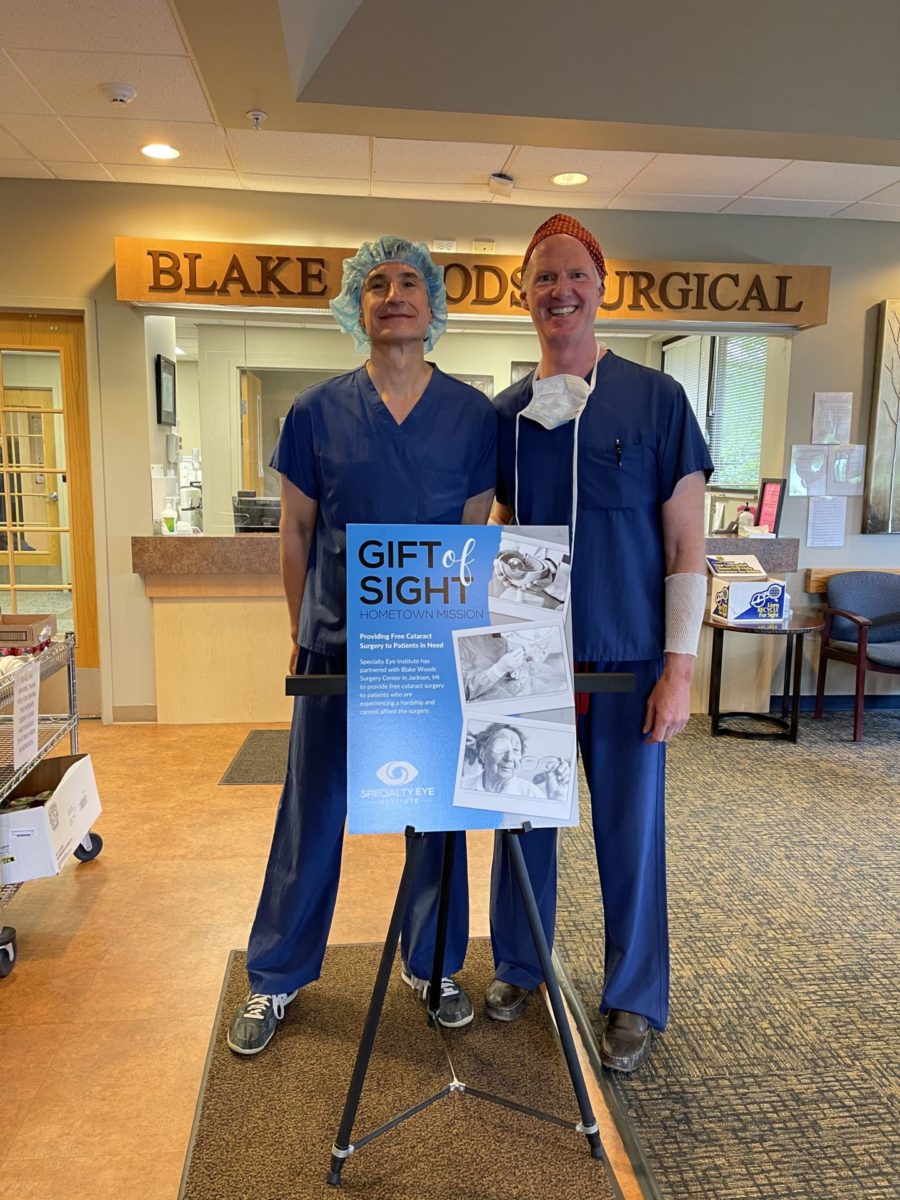
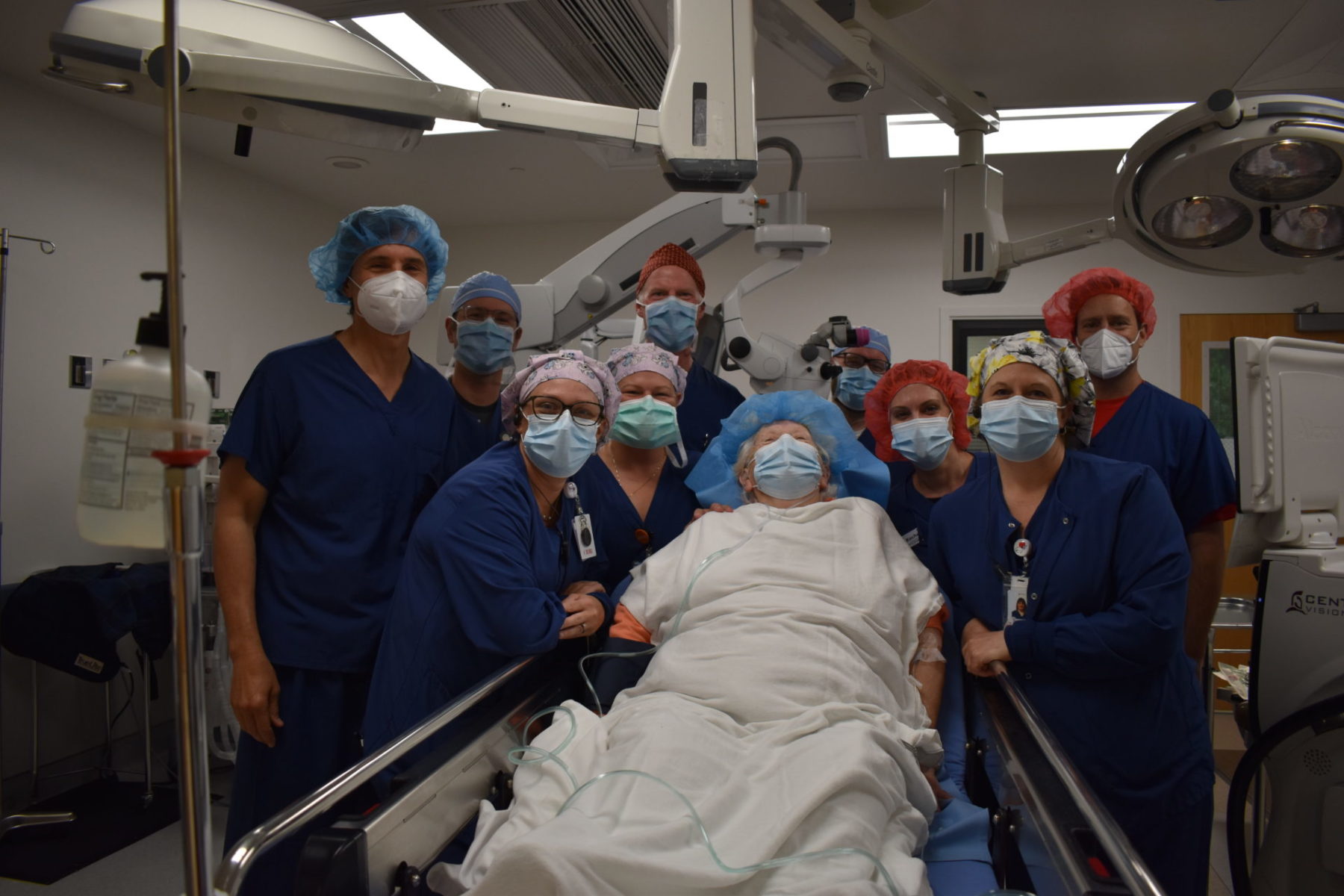
Specialty Eye Institute Gives the Gift of Sight to Eight Local Residents

Dr. Kevin Lavery and Dr. Anthony Sensoli, two ophthalmologists at Specialty Eye Institute, recently donated their surgical services to help 8 local patients suffering from cataracts.

Jackson, Michigan (June, 2021) – Specialty Eye Institute and Blake Woods Surgery Center Medical Park recently waived their fees and secured donated lenses in order to give the gift of sight to 8 local residents. The 8 patients all suffered from cataracts, which significantly impaired their vision.

Most people develop cataracts as they age, a condition characterized by a thickening and clouding of the eye’s natural lens. The condition is easily corrected with cataract surgery, which replaces the cloudy lens with an artificial lens (IOL).

“Cataract surgery is one of the most successful surgeries performed in the world. The results are truly life changing. Unfortunately, it is unobtainable for many individuals for many reasons. The doctors at Specialty Eye Institute along with our staff are used to doing mission trips abroad to help people around the world. In this time of COVID, we decided to do a Mission Trip to Jackson, Michigan,” says Dr. Kevin Lavery.

Local optometrists including Drs. Chad Lindsey, Anne Miller, Jeffrey Fogt, Daniel Phillips, Jaclyn Tolles, Corbett Amburgey, and Ezah Cheema helped Specialty Eye Institute identify individuals who did not have medical insurance and could not afford cataract surgery through a screening process. For many of these patients, cataracts were affecting their ability to drive, work, or perform many of their daily activities.

For one patient, Mr. Gibbs, a 63-year-old truck driver, cataracts prevented him from doing his job. Mr. Gibbs helps his neighbors and veterans by shoveling snow and doing yardwork. “I feel blessed to have my life back! I am back to work and able to drive in the dark again, something I haven’t done in many years!”

Gift of Sight Specialty Eye Institute and Blake Woods Surgery CenterThe surgeries were a coordinated effort with intraocular lenses donated from the manufacturer, Alcon along with a Hydrus Microstent for Glaucoma from the manufacturer, Ivantis. Blake Woods Medical Park Surgery Center waived their fees and provided surgical staff. Corner Drugs provided patients with complementary eye drops, and a local Jackson Bigby Coffee provided refreshments for patients and their friends and family who accompanied them at the surgery center.

If you would like to find out more about cataract surgery, LASIK, or other eye surgery procedures offered by Specialty Eye Institute, request a consultation online, or call our office at (877) 852-8463.

June 24, 2021 Filed Under: Blog Tagged With: Blake Woods Surgery Center, cataract surgery, cataracts, gift of sight

What to Expect During Cataract Surgery Recovery

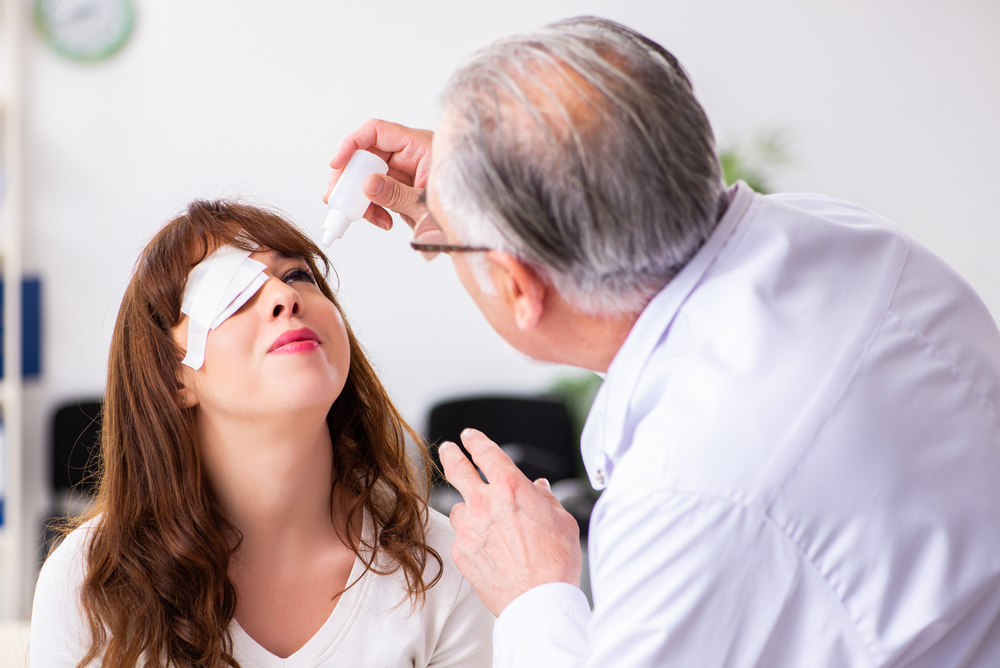
man putting eye drops in for cataract surgery recovery

Millions of people undergo successful cataract surgery every year. It’s a safe, effective procedure that can drastically improve your vision, and the recovery process is generally fast and simple. There should be minimal discomfort or pain.

Most people can return to their normal activities within a few days. A little bit of prepping and a good few days of rest after your procedure will make recovery go as smoothly as possible. 

Here’s what to expect after cataract surgery and how you can set yourself up for success during your recovery.

Tips for Your Best Cataract Surgery Recovery

    1. Stay hydrated before and after the procedure: Water is very important for your body when it’s healing, and you should make sure to stay hydrated before and after any surgical procedure. Additionally, after cataract surgery, your eyes may feel drier than normal, and drinking water can help keep your eyes moist.
    2. Prepare meals before surgery: Preparing meals ahead of time is a great way to make sure you can rest properly after surgery. Since you should be avoiding strenuous activity and protecting your eyes, cooking right after cataract surgery is not ideal.
    3. Take a few days off of work: Most people can return to work a few days after surgery, but it’s best to give yourself at least a few days to focus on your recovery. At the very least, don’t plan to return to work the same day as your procedure. Your eyes will be sensitive and may feel irritated or uncomfortable. You won’t be able to drive right away, so make sure you have someone available to drive you home after the procedure.
    4. Take eye drops as prescribed: Taking eye drops as directed is essential to your recovery after cataract surgery. Your surgeon will prescribe two types of eye drops: antibiotic eye drops to help prevent any infections, and anti-inflammatory eye drops to help reduce inflammation after your procedure. 
    5. Avoid strenuous activities: Don’t exercise or do any strenuous activities for a few weeks after your procedure. Avoid bending over right after surgery. Strenuous activity, like heavy lifting, can raise your intraocular pressure (IOP) or eye pressure. This can lead to complications like retinal detachment, dislocation of the new lens that was implanted, corneal swelling, and fluid buildup in the eye. Ask your surgeon for a specific timeline on when you can return to your normal activities, including intense exercise.
    6. Avoid swimming: Don’t swim in pools, oceans, lakes, hot tubs, or any other body of water for at least a month after your surgery. Your eyes will be more vulnerable to infections after your procedure, and all bodies of water are filled with various types of bacteria.
    7. Don’t rub your eyes: You should never rub your eyes because your hands can introduce bacteria to your eyes and lead to infection. Chronic eye rubbing can also lead to corneal issues. It’s even more important to avoid rubbing your eyes after cataract surgery because doing so could damage the fragile flap that is created during the procedure. Damaging this flap can lead to complications. If your eyes feel irritated after your procedure, using artificial tears can help.
    8. Wear a protective eye shield: After surgery, your surgeon will place a protective shield over your eye. Ask them when you are able to remove this shield. You should still wear it at night while sleeping or during naps for several days after your procedure.

When to Contact Your Doctor

Problems after cataract surgery are rare, but as with any surgery, there can be complications. 

If you experience any of the following symptoms, you should contact your surgeon right away:

  • Severe or worsening eye pain, redness, or swelling
  • Crusting or mucous discharge around your eye
  • Worsening vision or vision loss
  • Flashes or a sudden increase in floaters
  • Sudden increased light sensitivity

how long is the recovery after cataract surgery?

How Long Is the Recovery for Cataract Surgery?

In most cases, full recovery from cataract surgery takes four weeks. However, most people notice improvement in their vision within a few days. Remember that everyone is different, and don’t worry if you don’t notice drastic improvements right away.

Different factors can influence your healing process, including:

  • Age
  • Overall health
  • The severity of the cataract
  • Pre-existing conditions
  • The type of cataract surgery performed

There should be little to no pain or discomfort during your recovery. Make sure to attend all follow-up appointments with your surgeon to monitor your progress and check that your eyes are healing properly.

Cataract Surgery Options

During cataract surgery, also called intraocular lens implant surgery, your surgeon removes the diseased, cloudy lens and replaces it with an artificial, intraocular lens (IOL) to improve your vision. 

Leading-edge laser cataract surgery options allow you to choose a customized IOL to address astigmatism, nearsightedness, and farsightedness.

Traditional cataract surgery uses monofocal lenses, which provide clear distance vision.

eye doctor performing laser cataract surgery

Laser Cataract Surgery

During laser cataract surgery procedures, surgeons use FDA-approved custom lasers to create precise incisions instead of creating them by hand.

Bladeless Laser Refractive Cataract Surgery

Bladeless laser cataract surgery is performed using a LenSx® femtosecond laser, which significantly improves the precision of the procedure and allows your surgeon to customize it to your vision needs.

The femtosecond laser performs many of the steps that surgeons traditionally performed by hand. This translates to better lens positioning, less trauma to the eye, and better, more personalized results.

ORA Cataract Surgery

ORA cataract surgery is another precise, customizable option that is especially useful for patients who have difficult lens calculations, such as patients who had LASIK and now require cataract surgery.

The procedure uses an intraoperative wavefront technology that allows your surgeon to take nearly 40 measurements in seconds. These measurements are used to customize the lens power and can provide better outcomes for many patients.

Traditional Cataract Surgery

Traditional cataract surgery uses a no-stitch incision. This procedure cannot be customized in the same way as laser cataract surgery options, but it is a safe and effective procedure.

Get a Cataract Surgery Consultation at Specialty Eye Institute

If you’re dealing with vision challenges because of cataracts, cataract surgery might be right for you. In addition to clearing your vision, custom cataract surgery can reduce your reliance on glasses and contacts by addressing astigmatism, nearsightedness, and farsightedness.

The expert eye surgeons at Specialty Eye Institute can examine your eyes and recommend the best procedure for your needs. We also treat glaucoma and other eye conditions using the latest technology, including laser surgery.

Schedule your appointment today.

April 18, 2024 Filed Under: Blog, Cataracts

TLC Eyecare & Laser Centers Physician First in Michigan to use iStent Technology

Lavery compressedEye surgeon Kevin Lavery, MD, of TLC Eyecare & Laser Centers, announced that he is now providing the iStent® Trabecular Micro-Bypass Stent as a treatment option to reduce eye pressure for patients with both cataracts and glaucoma. Dr. Lavery is the first surgeon in Michigan to perform surgery using the iStent® technology. This technology will be a great benefit to patients in the Jackson, Battle Creek, and Portage TLC offices.
The iStent® is FDA-approved for use in conjunction with cataract surgery to reduce eye pressure in adult patients with mild to moderate open-angle glaucoma currently being treated with glaucoma medicine. In clinical trials, iStent® has been shown to safely reduce eye pressure, which is the primary cause of open-angle glaucoma. “This is exciting news for people who have both cataract and glaucoma,” says Dr. Lavery.

The eye drops used to treat glaucoma can be difficult to administer and expensive. With iStent®, many patients will need less medicine to control their eye pressure and some may not need prescription eye drops at all. “When pressure in the eye is out of control, it can increase the risk of permanent vision loss. I consider iStent® an important advancement in protecting against vision loss for my glaucoma patients,” adds Dr. Lavery.

iStent®, is the smallest medical devise ever approved by the FDA, and is placed in a patient’s eye during cataract surgery. Dr. Lavery went on to say, “It is so small, you are unable to see or feel it after the procedure is done. Although you won’t even know iStent®, is there, it will be working to help reduce your eye pressure.”

This iStent® technology is another “first” for TLC Eyecare & Laser Centers. In 2011, TLC surgeons were the first in Michigan to obtain the LenSx® laser, the first FDA approved laser for use inside the eye. LenSx® provides cataracts patients with individualized treatment, as well as a more precise surgical outcome, and improved healing time.

TLC Eyecare & Laser Centers offers comprehensive eye care services in 14 locations throughout Michigan and Ohio. Treatments include diseases of the eye, cataracts, corneal disease, glaucoma, dry eye, macular degeneration, diabetic eye care, blepharoplasty, and laser vision correction. For more information about TLC Eyecare & Laser Centers, or to schedule an appointment, please call 1-877-852-8463.

September 19, 2012 Filed Under: Blog

  • «
  • 1
  • …
  • 12
  • 13
  • 14
  • 15
  • 16
  • …
  • 21
  • »
  • Eye Doctors
  • Specialty Eye Institute Locations
  • Careers
  • News & Events
  • Schedule Appointment
  • Patient Resources
  • Contact Us

For Patients

  • Schedule Appointment
  • Patient Resources
  • Patient Forms
  • Billing and Insurance Information
  • Financing
  • ACA Non-Discrimination Notice
  • Legal Resources

For Doctors

  • Continuing Education Events
  • Grand Rounds
  • Referring a Patient
  • Clinical Forms

Make an Appointment

  • MM slash DD slash YYYY

Schedule Your Free Consultation Today

Schedule your LASIK Consultation
reCAPTCHA is required.

By submitting this form, you accept the Mollom privacy policy.


To find an optometrist near you, type your city and state or zip code.

FOR PATIENTS

  • Affiliate Doctors Home Page
  • Announcements
  • Order Supplies
  • Clinical Forms
  • Continuing Education Events
  • Grand Rounds
  • Logout

FOR DOCTORS

  • Affiliate Doctors Home Page
  • Announcements
  • Order Supplies
  • Clinical Forms
  • Continuing Education Events
  • Grand Rounds
  • Logout

CONTACT US

Phone Icon to Call Specialty Eye Institute of Michigan and Ohio 877-852-8463

SOCIAL MEDIA

SIGN UP NEWSLETTER

We Are a Proud Partner Of

  • Home
  • About Us
  • Patient Resources
  • News
  • Locations
  • Careers
  • Privacy Policy
Specialty Eye Institute © 2026
Digital Marketing by Youtech. 8778528463

Copyright © 2026 · specialtyeyeinstitute on Genesis Framework · WordPress · Log in

Pencil Icon - Cataract Information CATARACT
SELF-TEST
Pencil Icon - Lasik Self-Test LASIK
SELF-TEST
Pencil Icon - Schedule Appointment at SEI SCHEDULE
APPOINTMENT
877-852-8463Newsletter Sign UpLocationsPatient PortalSchedule Appointment
  • About
    • Call Now
    • Testimonials
    • Join Our Team
    • News & Events
    • Back
  • Eye Doctors
    • SEI Doctors
    • Affiliate Doctors Login
    • Back
  • Services
    • Eye Exams
    • Cataract Eye Surgery
      • Laser Cataract Surgery
      • Cataract Surgery Lens Options
      • Cataract FAQ
      • Back
    • LASIK Eye Surgery
      • Take Our LASIK Self-Test
      • LASIK Pricing
      • Affordable Options for LASIK
      • Financing
      • LASIK FAQs
      • Back
    • EVO ICL Eye Surgery
    • Refractive Lens Exchange Surgery
    • Dry Eye Treatment
    • Retinal Detachment Treatments
    • Corneal Transplants
    • Blepharoplasty Treatments
    • Back
  • Vision Conditions
    • Astigmatism
    • Diabetic Retinopathy
    • Diplopia
    • Glaucoma
    • Hyperopia
    • Keratoconus
    • Low Vision
    • Macular Degeneration
    • Macular Edema
    • Macular Holes
    • Myopia
    • Presbyopia
    • Vitreous Detachment
    • Back
  • Resources
    • What to Expect at Your Eye Appointment
    • Patient Forms
    • Video Library
    • Financing
    • Retina Care
      • Eye Anatomy
      • Epiretinal Membrane (Macular Pucker) Treatment & Surgery
      • Free Printable Amsler Grid Test PDF
      • Back
    • Travel Support
    • Newsletter Sign Up
    • No Surprises Act: Billing Disclosures
    • Notice of Availability
    • Notice of Nondiscrimination
    • Back
  • Surgery Centers
    • Lansing
    • Jackson
    • Back
  • Contact
    • Call Now
    • Schedule Appointment
    • Back